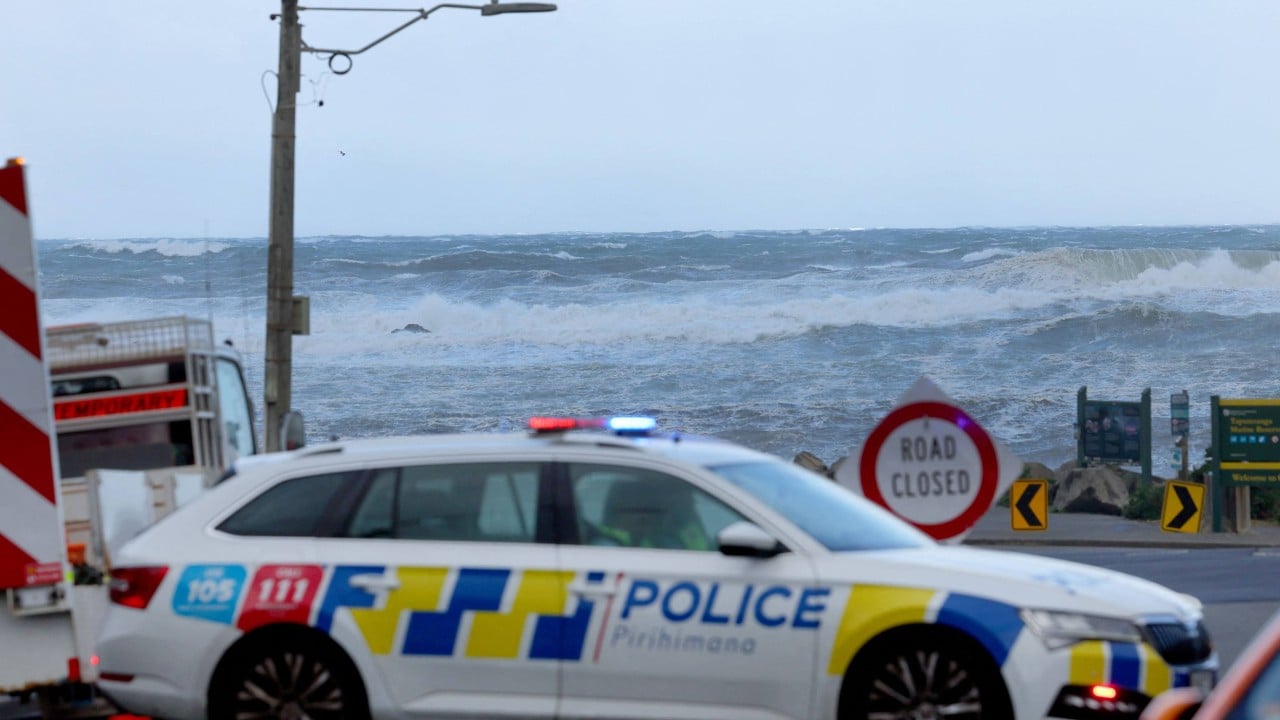
Wellington isn't stranger to intense weather. The city famously owns the title of the world's windiest capital. Yet, the massive storm hitting New Zealand right now proves that being used to bad weather doesn't mean you're immune to complete paralysis.
A fierce southerly weather system has effectively locked down the capital city. Huge ocean swells reaching up to 10.5 meters are hammering the Cook Strait, forcing a total halt to all regional ferry services. At the airport, gale-force winds have grounded flights, leaving hundreds of travelers stranded. The situation on the ground escalated so quickly that Wellington City Mayor Andrew Little declared a local State of Emergency for the city's Southern and Eastern wards.
This isn't just a story about some delayed flights and wet roads. It's a reminder of how vulnerable a modern capital city becomes when its main transport arteries are cut off simultaneously.
Inside the Wellington Storm Lockout
The numbers behind this storm are genuinely startling. MetService issued a Heavy Swell Warning stretching from Cape Terawhiti to Turakirae Head, and the energy moving through the ocean is immense. We aren't talking about standard rough seas. The forecast wave peaks of 9.5 to 10.5 meters carry enough force to throw heavy debris deep into coastal neighborhoods.
Wellington Civil Defence didn't take chances. They issued a mandatory evacuation order starting Tuesday morning for vulnerable waterfront properties in several areas:
- Owhiro Bay
- Island Bay
- Houghton Bay
- Breaker Bay
Local authorities explicitly warned residents that if they experienced flooding or damage during the notorious 2020 swell event, they needed to get out immediately. Jonathan Delich, who runs Cook Strait Fishing Charters out of Island Bay, summed up the reality bluntly to local media, stating that nobody in their right mind would go out on the water. He pulled his boats and cancelled all operations days in advance.
Air and Sea Transit Grind to a Halt
If you're trying to get into or out of Wellington, you're essentially out of options. The Cook Strait is the literal highway connecting New Zealand’s North and South Islands. Both major ferry operators, Interislander and Bluebridge, scratched their schedules completely. Interislander canceled all Tuesday sailings, while Bluebridge pulled its late Monday and early Tuesday runs, trying to rebook thousands of displaced passengers onto later slots later in the week.
Up at Wellington International Airport, the situation is just as chaotic. The crosswinds on the runway are notoriously brutal, but this storm brought a bizarre visual reminder of nature's power. A light aircraft that had just landed and unloaded its passengers was caught by a massive gust of wind. The force literally tipped the empty plane onto its wing and wheel. Thankfully, nobody was hurt, and ground crews quickly righted the aircraft, but the incident highlighted exactly why airlines stopped trying to land.
Air New Zealand suspended multiple regional services and warned passengers to look at rebooking options as at least eight major flights faced immediate cancellation. When the wind is strong enough to flip a parked plane, keeping commercial jets in the air isn't an option.
The Problem With Capital Isolation
Wellington's geography makes it incredibly beautiful, but it's a logistical nightmare during natural disasters. Wedged between steep hills and a volatile harbor, the city relies on just a couple of main roads and rail lines to connect with the rest of the country. When the South Coast gets pounded by 10-meter waves and the airport shuts down, the capital is effectively isolated.
This goes beyond an inconvenience for holidaymakers. Government officials, emergency supplies, and daily commerce ground to a sudden halt. It forces a tough conversation about infrastructure resilience. Relying on a single airport and a vulnerable marine highway means that whenever a major southerly tracking system rolls up from the Antarctic, the engine of New Zealand's government gets paused.
What to Do If You Are Stuck in the Wellington Storm Zone
If you are currently in the capital or have travel plans booked through the region over the next 48 hours, stop waiting around for things to fix themselves. You need to take specific steps right now to stay safe and secure your travel investments.
First, check your evacuation status if you are anywhere near the South Coast. Do not ignore the Civil Defence alerts sent to your phone. If you are in Owhiro Bay or Island Bay, move inland to higher ground. The midday high tides are the peak danger periods where surf run-up will overwhelm coastal roads.
Second, don't just head to the airport hoping for a flight. Air New Zealand and other domestic carriers are updating their travel advisory pages constantly. Use their digital apps to opt for a credit or rebook your flight to later in the week without penalty fees. If your flight was canceled due to weather, the airline isn't legally required to pay for your hotel accommodation, so check your travel insurance policy immediately to see if it covers severe weather disruptions.
Lastly, keep off the coastal roads entirely. Surface flooding and hidden debris like rocks and logs will wreck vehicles instantly. Monitor the Wellington City Council social media channels and the Waka Kotahi NZ Transport Agency website for real-time updates on road closures before you even think about turning the car key. Nature is winning this round, and the smartest move is to stay put and stay dry.