The ocean does not care about sovereignty. To the sailors aboard a merchant vessel in the Gulf of Oman, the water is simply a vast, shifting floor that carries the world’s calories and fuel from one port to the next. But when the grey hull of a warship breaks the horizon, the water suddenly feels very small. It begins to feel like a trap.
News tickers across the globe flashed a cold update this morning: the United States has seized an Iranian cargo ship, and Tehran has walked away from the negotiating table. To a data analyst in London or a trader in New York, these are variables in an equation of risk. To the men and women on those decks, it is the sound of heavy boots on metal and the realization that their lives have become currency in a game they did not start.
The Capture in the Gray Zone
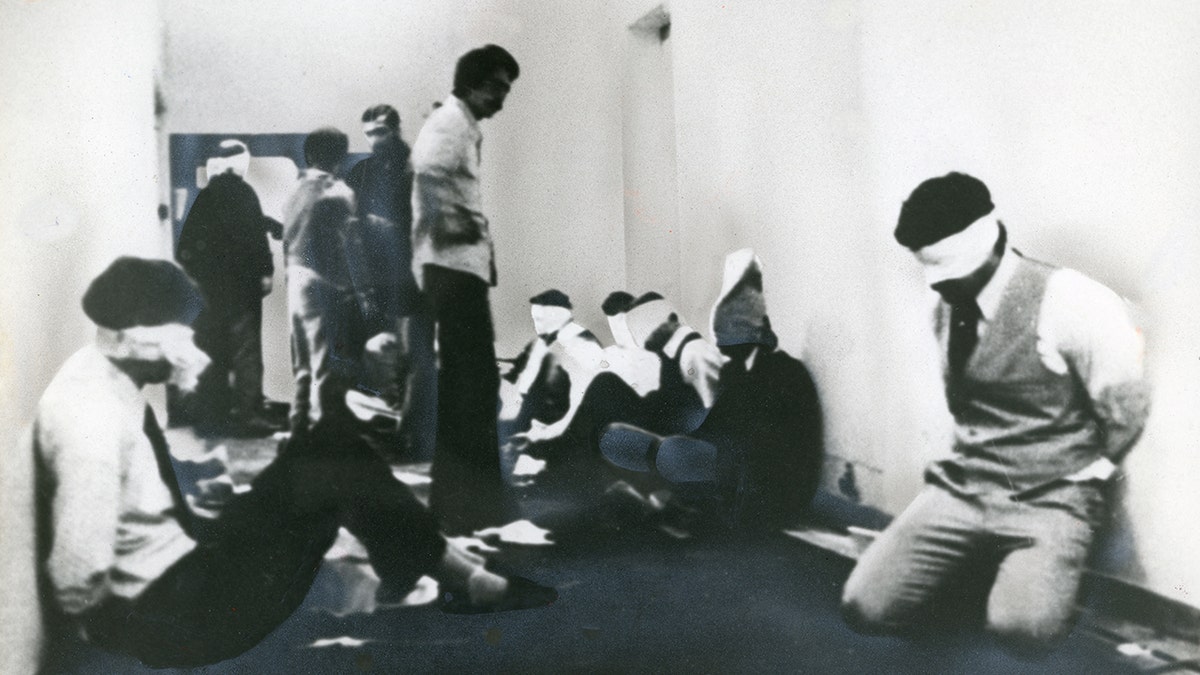
Imagine a captain named Elias. He isn’t a soldier. He’s a man who worries about his daughter’s tuition and the creeping rust on his ship’s port side. When the command comes to heave to, when the shadows of helicopters darken his bridge, the high-level geopolitics of the West Asia crisis vanish. They are replaced by the visceral reality of armed men boarding a sovereign vessel.
The seizure of the Iranian cargo ship wasn't a random act of piracy. It was a calculated surgical strike in a theater where words have failed. The U.S. justifies the move through a web of sanctions and intelligence reports, citing the illicit transport of military hardware destined for regional proxies. From a legal standpoint, the paperwork is likely impeccable. From a human standpoint, it is an escalation that moves the conflict from the abstract to the physical.
Every crate hauled off that ship represents a broken link in a chain. For Washington, it’s a victory—a tangible disruption of a supply line that fuels instability. For Tehran, it is a humiliation. And in the logic of the Middle East, humiliation demands a response.
The Echo of a Slammed Door
While the steel was being seized at sea, a different kind of violence was occurring in the marbled halls of diplomacy. The second round of peace talks, which many hoped would provide a pressure valve for the mounting tension, didn't just fail. They were discarded.
Tehran’s rejection of the talks isn't just a "diplomatic setback." It is a shuttering of the windows. When two powers stop talking, they start guessing. They guess about intent. They guess about capabilities. They guess about the "red lines" of their enemies.
Consider the atmosphere in a room where peace is supposed to be negotiated. There are carafes of water that go untouched. There are translators who struggle to find the right nuance for words like deterrence and respect. When one side gets up and leaves, the silence that remains is heavier than the loudest argument. That silence is where wars grow.
Tehran’s refusal to engage suggests they believe they have more to gain from the chaos than from the compromise. By walking away, they are signaling to their base and their allies that they will not be bullied by the seizure of a hull in the Gulf. They are betting that the world’s appetite for expensive oil and unstable shipping lanes is lower than their own appetite for defiance.
The Invisible Stakes of the Strait
We often talk about these events as if they happen in a vacuum, but the geography dictates the tragedy. The Strait of Hormuz is a choke point. If you look at a map, it looks like a throat. Nearly twenty percent of the world’s petroleum flows through that narrow passage.
When a ship is seized, the insurance premiums for every other vessel in the region spike. The cost of living in a suburb in Ohio or a village in Vietnam ticks upward. This is the invisible tax of conflict. We pay for the tension in the Gulf at the grocery store and the gas station.
But the real cost is measured in the sweat of the sailors. There is a psychological toll to working in a combat zone that hasn't been officially declared a war. You watch the radar. You look for the fast-attack boats. You wonder if your ship will be the next one used to send a message. The sea, once a symbol of freedom and commerce, becomes a corridor of anxiety.
A Cycle Without a Circuit Breaker
The problem with seizing a ship to force a hand is that it rarely leads to the desired handshake. It usually leads to a counter-seizure. It leads to drones over tankers. It leads to the "tit-for-tat" logic that has governed the region for decades.
The U.S. move was designed to show strength and resolve. It was meant to demonstrate that the era of looking the other way is over. However, the immediate result was the collapse of the only channel left for de-escalation. We are witnessing the systematic removal of the safety rails.
Experts will tell you about the tonnage of the ship or the specific nature of the cargo. They will talk about "strategic pivots" and "asymmetric leverage." These are comfortable words. They hide the jagged edges of the reality: that we are moving closer to a flashpoint where a single panicked officer on a bridge could trigger a conflagration that no one—not Washington, not Tehran—actually wants.
The Human Cost of Grand Strategy
Behind every "live update" is a family waiting for a phone call. Behind every "rejected talk" is a civilian population in the Middle East that knows exactly what happens when the rhetoric of leaders turns into the movement of batteries.
The Iranian cargo ship sits in a port now, under a different flag, its crew caught in a legal and political limbo. They are the collateral of a grand strategy. Meanwhile, the diplomats have flown home, leaving behind a region that feels like a tinderbox under a magnifying glass.
The water in the Gulf remains blue, deceptively calm, and indifferent. It will carry the next ship, and the one after that, until the day the fire finally touches the surface. We watch the headlines and wait, hoping that someone, somewhere, remembers that the most important thing on those ships isn't the oil or the weapons. It’s the people.
The tragedy of the current moment isn't that we are at war. It’s that we have forgotten how to find the way back to the table, and the only thing we have left to say is written in the seizure of steel and the cold, hard silence of a room where no one is left to listen.