Fear-mongering sells subscriptions. It doesn't build wealth.
For decades, the "Middle East powder keg" narrative has been the favorite toy of financial journalists who need a quick hook to explain market volatility. When Iran and Israel exchange fire, the headlines scream about $150 oil and a global depression. The consensus is lazy: conflict equals supply shock, supply shock equals inflation, and inflation equals a hole in your pocket.
It’s a neat, linear story. It’s also largely a fiction.
If you’re waiting for a regional war to crash the global economy, you’re looking at a map from 1973. The world has changed. The levers of power have shifted. The "pinch" everyone is terrified of is already happening, but it has nothing to do with missiles in the Levant and everything to do with the structural decay of Western monetary policy.
The Oil Weapon is a Blunted Blade
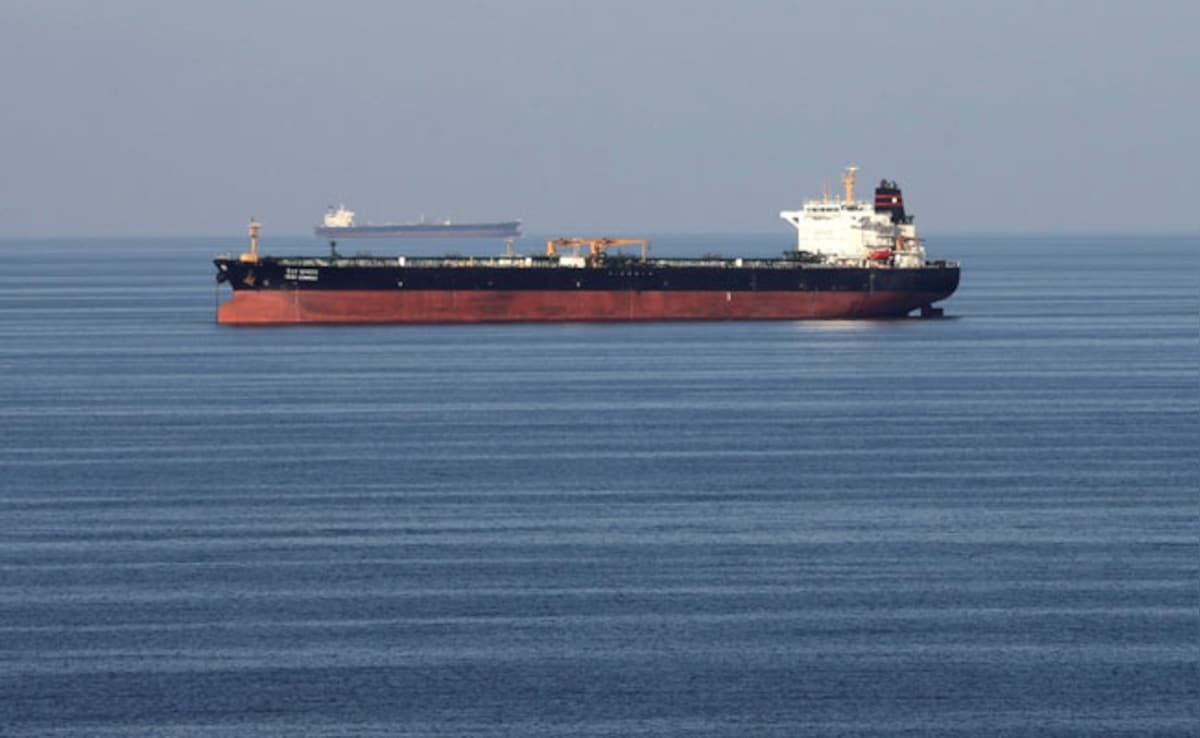
The most common "expert" take is that an Iran-Israel escalation will choke the Strait of Hormuz, sending crude prices into the stratosphere.
Let’s dismantle that.
First, Iran knows that closing the Strait is a suicide pact. It’s not just about blocking Western tankers; it’s about blocking their own lifeblood and, more importantly, the exports of their neighbors—including China’s primary energy suppliers. Beijing is the only reason the Iranian economy breathes. If Tehran shuts the door on China’s energy security, they lose their only powerful friend.
Second, the United States is now the world's largest oil producer. I’ve watched traders sweat over every headline out of Tehran while ignoring the massive, quiet expansion of Permian Basin output. In 1973, OPEC held the world by the throat. Today, the U.S. produces over 13 million barrels per day. The "shale revolution" wasn't just a tech achievement; it was a geopolitical lobotomy on the Middle East’s ability to dictate global prices.
Yes, a spike might happen. It will be driven by algorithmic trading and panic, not by a physical shortage of molecules. High prices are the best cure for high prices. When oil hits $100, marginal producers turn the taps on, and demand in emerging markets craters. The system rebalances faster than a cable news cycle can pivot.
The Inflation Boogeyman is Homegrown
The competitor narrative suggests that Middle Eastern war "causes" inflation.
This is a fundamental misunderstanding of what inflation is. Inflation is an expansion of the money supply. A war in the Middle East might cause a price shock in specific commodities, but it cannot create sustained, systemic inflation unless central banks decide to print money to accommodate those higher costs.
Stop blaming the Ayatollah for the fact that your groceries cost 30% more than they did three years ago. That’s a result of the $8 trillion injected into the system during the early 2020s. If war breaks out and energy prices rise, it’s a tax on consumption, which is actually deflationary for the rest of the economy. It sucks money out of your discretionary spending and puts it into a gas tank.
The idea that Benjamin Netanyahu and Ali Khamenei are responsible for your "pinched pocket" is a convenient shield for domestic policy failures. It’s easier for a politician to point at a map of the Middle East than to explain a bloated balance sheet.
The Strait of Hormuz is a Psychological Barrier
Every time tension rises, we hear about the 21 million barrels of oil that pass through the Strait of Hormuz daily.
"If the Strait closes, the world stops."
I’ve sat in rooms with energy analysts who treat this like an absolute truth. It’s not. It ignores the massive build-out of pipelines across Saudi Arabia and the UAE designed specifically to bypass the Strait. It ignores the Strategic Petroleum Reserves (SPR) held by OECD nations, which are designed to bridge the gap during exactly this kind of disruption.
Furthermore, modern warfare isn't just about kinetic strikes on tankers. It’s about cyber-warfare and logistics. A physical blockage is messy and invites a global military response. A "gray zone" conflict—harassment, boarding, and insurance hikes—is more likely. This doesn't stop the flow of oil; it just makes it slightly more expensive to insure. We’re talking about pennies per gallon, not the collapse of Western civilization.
Markets Crave Certainty, Even Violent Certainty
Investors hate the threat of war. They actually quite like the reality of it.
Look at the historical data. From the Six-Day War to the Gulf War to the invasion of Iraq, the pattern is almost always the same: a period of intense anxiety and market softness leading up to the conflict, followed by a "relief rally" once the first shots are fired.
Why? Because the "unknown" has become "known." Risk gets priced in. The military-industrial complex ramps up. Defense stocks—the likes of Lockheed Martin, Northrop Grumman, and Raytheon—see massive capital inflows. These companies aren't just "war profiteers"; they are the backbone of the industrial indices that keep your 401(k) afloat.
If you sold your equities because you saw a clip of a missile launch on social media, you’ve been played. The market is a machine designed to transfer wealth from the impatient to the patient. It views regional conflict as a tragic but manageable variable.
The Real Risk is Not What You Think
If you want to be worried, stop looking at oil and start looking at the bond market.
A serious escalation in the Middle East forces the U.S. to choose: fund another massive foreign entanglement or let a primary ally stand alone. Both options are toxic for the U.S. Treasury.
We are currently operating at a deficit that should be reserved for total world wars, yet we are in a time of relative "peace." If a hot war breaks out, the debt issuance required to fund it will put even more pressure on bond yields.
The "pinch" isn't coming from a $5 increase in your weekly gas bill. It’s coming from the "higher for longer" interest rate environment that makes your mortgage, your car loan, and your credit card debt unsustainable. The war is just the catalyst that could break the back of the bond market. That is where the real carnage happens.
Stop Following the Herd
The "People Also Ask" sections of the internet are filled with variations of "How will the Iran-Israel war affect the S&P 500?"
The honest, brutal answer: In the long run, it won't.
- 1940s: Global war. The S&P 500 went up.
- 1960s/70s: Vietnam, social upheaval, oil shocks. The market struggled but survived.
- 2000s: Two decades of war in the Middle East. The market hit all-time highs.
Human ingenuity and the drive for profit are more powerful than the temporary madness of regional leaders. The "pinch" is a distraction. It’s a narrative tool used to keep you in a state of reactive fear.
If you want to protect your wealth, ignore the geopolitical theater. Focus on the debasement of the currency. Focus on the fact that the tech giants are generating more cash than most of the nations involved in these conflicts. Focus on the reality that energy is becoming more diversified, not less.
The world isn't going to end because of a skirmish in the desert. But your portfolio might end if you make emotional decisions based on a 24-hour news cycle designed to keep your blood pressure high.
Stop looking for the exit. Start looking for the opportunity. The loudest voices in the room are usually the ones with nothing at stake. Your job isn't to predict the next strike; it's to stay solvent longer than the panic lasts.
The "pinch" is only fatal if you flinch.