Chinese Foreign Minister Wang Yi isn't showing up to the BRICS Foreign Ministers' meeting in New Delhi this week. On the surface, Beijing is calling it a "scheduling conflict." They're sending Ambassador Xu Feihong instead. But in the world of high-stakes diplomacy, "scheduling reasons" is usually code for something much more interesting.
You don't just skip a gathering of the world's most powerful emerging economies because your calendar got a bit messy. This isn't a dentist appointment. It's a calculated move. While the official line points to Donald Trump’s visit to Beijing on May 13, 2026, as the reason Wang needs to stay home, the timing suggests a shift in how China is balancing its friendship with the Global South against its volatile relationship with Washington. Building on this theme, you can also read: The Invisible Front Line where Indian Seafarers Pay the Price for War.
The Trump factor is the ultimate distraction
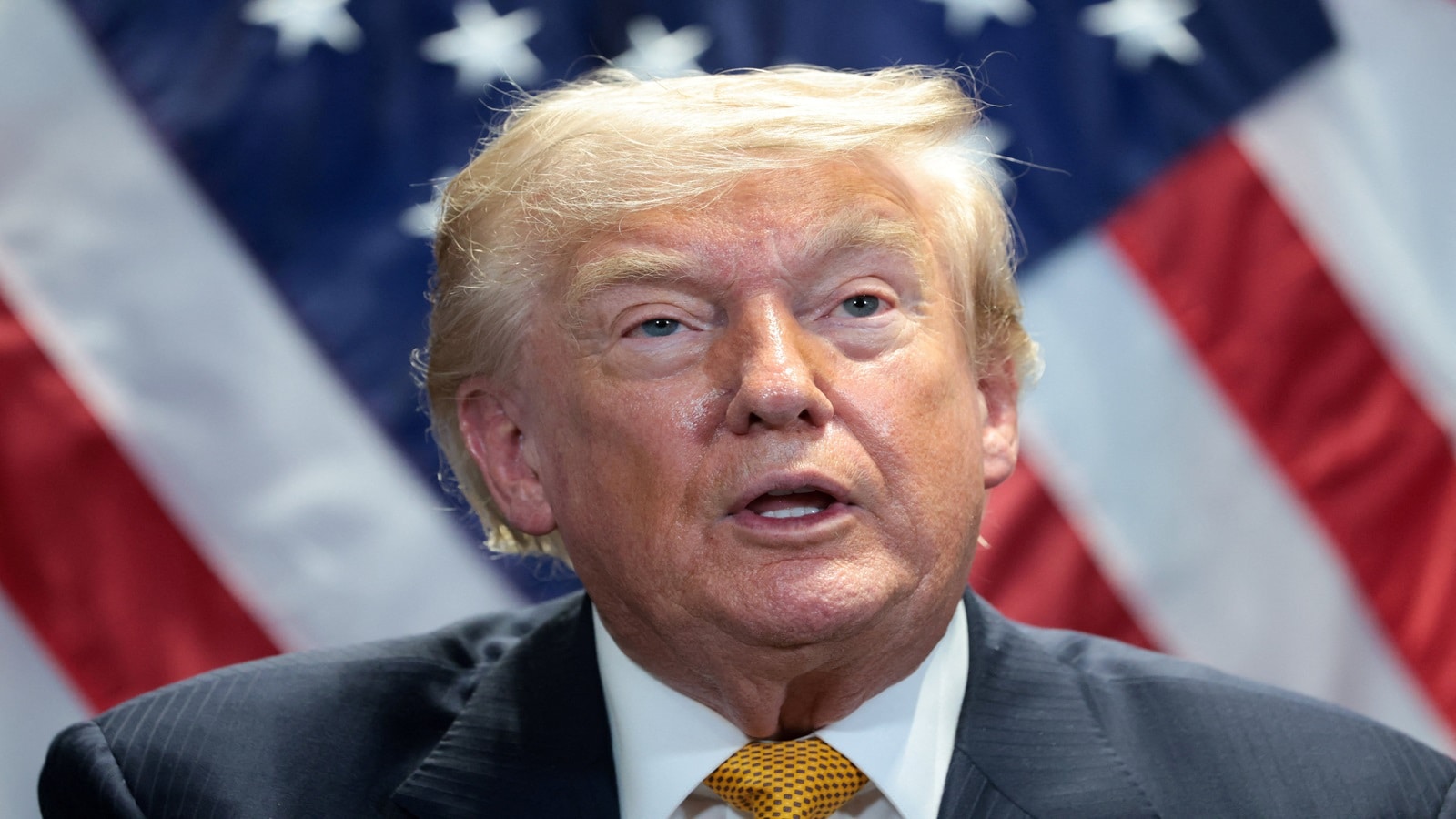
Let's be real. If China wanted Wang Yi at both, they could've made it work. But with Donald Trump landing in Beijing for high-level talks with Xi Jinping, the optics of Wang Yi being anywhere else would've been a disaster for the CCP. Trump’s return to the presidency has thrown a wrench into global trade, and China is currently scrambling to figure out how to handle his renewed threats of 100% tariffs on BRICS nations.
Wang Yi staying in Beijing tells us exactly where China's priorities lie right now. They're in survival mode regarding the U.S. economy. Dealing with a mercurial American president who is threatening to dismantle your trade status is a "drop everything" moment. BRICS is important, sure, but it’s a long-term project. The trade war staring them in the face is an immediate fire that needs every senior diplomat available to help put it out. Analysts at TIME have provided expertise on this situation.
Why sending an Ambassador is a snub to India
By sending Xu Feihong instead of a high-ranking official from Beijing, China is effectively downgrading the meeting. India is the current chair of BRICS. In the world of Asian diplomacy, sending an ambassador to a meeting where other countries are sending their actual foreign ministers—like Russia's Sergey Lavrov and Iran's Abbas Araghchi—is a loud, silent statement.
It reflects the ongoing chill between New Delhi and Beijing. Relations haven't exactly been warm since the 2020 border clashes, and while they've tried to put on a brave face for multilateral groups, the friction is constant. By skipping the New Delhi trip, Wang Yi avoids the awkward bilateral meetings that would've been expected on the sidelines. It's an easy way to dodge a conversation he doesn't want to have.
BRICS is struggling with internal drama
Don't let the "unity" press releases fool you. The 11-nation bloc is currently a mess behind the scenes. Last month, a meeting of deputy foreign ministers in New Delhi ended without even a joint statement. Why? Because the United Arab Emirates and Iran couldn't stop sparring over the war in West Asia.
When you look at the current lineup, you see the problem:
- Iran and Saudi Arabia are in the same room but still deeply suspicious of each other.
- India and China are competing for leadership of the Global South.
- Russia is trying to use the group as an anti-West shield.
- Egypt and Ethiopia have their own regional water and border disputes.
The group has expanded so fast that it's lost its cohesive "vibe." It’s no longer just a club of five growing economies; it’s a sprawling, contradictory group of nations with wildly different interests. Wang Yi might honestly just be skipping the headache. If the meeting is likely to end in another deadlock over Middle East policy or trade disputes, why waste the flight?
The shadow of the dollar and secondary sanctions
Russia is pushing hard for a BRICS-based payment system to bypass the U.S. dollar. They want to avoid the secondary sanctions that have crippled their economy since the invasion of Ukraine. China likes the idea of de-dollarization in theory, but they're much more integrated into the global financial system than Russia is.
If China goes too hard on a "rebel" payment system right while Trump is in Beijing talking about tariffs, they're handing him a loaded gun. Wang's absence allows China to participate via a lower-level proxy who can "listen and report back" without making any binding, high-level commitments that would freak out the Western markets.
What this means for the Global South
Despite the absence, China is still desperate to be seen as the leader of the "Global Majority." They need BRICS to work because it’s their primary tool for challenging Western hegemony. But leadership requires showing up. By letting Russia and Iran take center stage in New Delhi, China risks letting the narrative be driven by the most radical members of the group.
If you’re watching this space, don't buy the "scheduling conflict" excuse for a second. Watch how China handles the Trump visit. That’s the real story. The fact that they’re willing to leave their BRICS partners hanging in New Delhi proves that for all the talk of a "new world order," Beijing is still deeply reactive to what happens in Washington.
Keep an eye on the final communique from New Delhi. If it’s vague and lacks teeth, you’ll know that the lack of high-level Chinese representation made a real impact. If you want to understand where the power is shifting, look at who stayed home, not just who showed up. Start by tracking the trade data coming out of the Beijing-Washington talks this week; that's where the real global map is being redrawn.