The heavy iron of the detention center door does not slam with a dramatic echo. It simply clicks. A mechanical, final sound that reverberates through the linoleum corridors long after the bolt has slid home. For months, the space behind that door had been measured in heartbeats, anxious phone calls, and the slow, grinding erosion of certainty.
Outside, the world kept moving. Traffic surged along the highway. Coffee cups were filled and emptied. Arguments rose and faded under the grey autumn sky near Delaney Hall. But inside, time behaved differently. It stretched, looping through endless hours of waiting, punctuated only by the distant clatter of meal trays and the quiet rustle of legal papers being thumbed over for the hundredth time.
We often talk about immigration enforcement as a vast, impersonal machine of statutes, hearings, and bureaucratic dockets. We speak in acronyms and jurisdiction codes. Yet, at its core, every single case is built on human feet standing on cold pavement, wondering what tomorrow will bring.
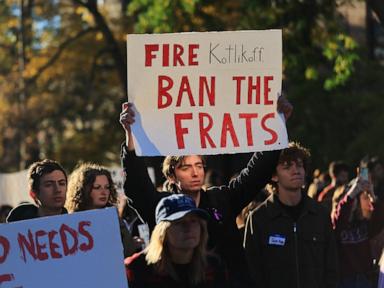
Consider the ordinary Tuesday. A notice arrives. A signature is verified. A judge weighs the arguments presented by advocates and attorneys who have spent weeks sifting through testimonies. The stakes are rarely front-page news until a protest breaks out, until megaphones amplify frustration, until banners are unfurled against chain-link fences. Then, the individual is thrust into a public spotlight they never asked for.
Detention is not merely a legal status. It is a suspension.
When someone is held pending the resolution of their proceedings, their entire existence becomes a holding pattern. Job applications are paused. Rent remains an open question. Family members on the outside carry a secondary burden, answering phone calls with a knot in their stomach, tracking every court date like a sailor watching the horizon for a storm.
And then, the decision shifts.
The release order is signed.
The transition from confinement to freedom is rarely cinematic. There is no triumphant music swelling in the background. Instead, there is paperwork to sign, personal belongings collected in a clear plastic bag, and a step taken across a threshold into the open air. The wind hits differently when you haven't felt it unfiltered in months. The noise of city traffic feels louder, sharper, more demanding.
Yet, stepping out of detention is not the end of the journey. It is merely a change of venue. The legal battles continue, winding their way through backlogs and courtrooms where every motion carries immense weight. The protests outside Delaney Hall may quiet down, the signs packed away, but the questions raised by those demonstrations linger in the air. How do communities balance enforcement with compassion? Where does the line get drawn between public order and individual dignity?
These are not easy questions. They resist simple answers and neat bullet points. They require us to look past the slogans on both sides and recognize the complex web of laws, human lives, and institutional realities that shape our society.
For now, the gate is open. A man walks out into the afternoon light, blinking against the sudden brightness. He carries a small bag of belongings and a stack of legal notices. Ahead of him lies an uncertain path, but for today, the air belongs to him again.
The door remains shut behind him, ready for the next case, the next file, the next waiting soul.