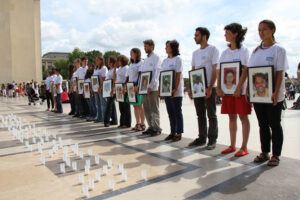
Sixty-two lives vanished in seconds when an ATR 72-500 turboprop plummeted 13,000 feet into a residential area in Vinhedo, Brazil. It was August 9, 2024. Now, federal police have wrapped up a two-year investigation by formally accusing 16 current and former employees of Voepass airline, including its owner.
If you think this is just another routine corporate fallout, look closer. This case exposes a terrifying systemic disregard for basic safety protocols that commercial aviation relies on.
Inside the Findings of the Voepass Investigation
The numbers coming out of the federal police press conference are staggering. Investigators didn't just point fingers at random crew members. They laid out a trail of chronic negligence.
Data recorders revealed that the aircraft's de-icing system had failed—or was manually cycled on and off—during 136 separate flights prior to the crash. Think about that number. That means the warning signs weren't missed once or twice. They were ignored consistently over a long period.
On the day of the disaster, the plane experienced de-icing system issues on three separate flights before taking off on its final, fatal route from Cascavel to Guarulhos. Despite those glaring mechanical red flags, the aircraft was cleared for departure right into known severe icing conditions.
Federal police investigator André Ribeiro didn't hold back, calling the findings a watershed moment for air crash disasters in the country. Fifteen individuals face serious accusations of endangering air traffic safety resulting in a fatal disaster. That carries potential prison sentences of up to 12 years. Other accused workers face charges of scrubbing technical malfunctions straight out of aircraft logbooks.
The Accountability Crisis at the Top
Airline owner and president José Luiz Felicio Filho sits squarely on the list of the accused. When top executives foster a culture where cutting corners matters more than working equipment, tragedies stop being accidents. They become predictable outcomes.
Local prosecutors now hold the file. They must decide the exact timeline for official criminal charges. Meanwhile, legal representatives for the victims' families are preparing massive compensation claims. They aren't just targeting the airline itself. They are aiming at every entity involved in operations, management, and ticket sales.
Investigators are even suggesting that the scrutiny should expand toward ANAC, Brazil's civil aviation regulatory agency. How did a plane with such a troubled maintenance history keep getting clearance to fly passengers? That question sits at the heart of public anger right now.
What This Means for the Future of Regional Flying
Aviation safety rules are written in blood. Every major overhaul of international or domestic flight protocols usually follows a catastrophic failure of oversight.
When regional airlines stretch maintenance budgets to the breaking point, passengers pay the ultimate price. The Brazilian air force previously pointed to a toxic mix of severe weather, mechanical failures, and pilot distractions. But the police report shifts the blame from the cockpit to the boardroom. Pilots cannot fight severe atmospheric icing if their de-icing gear is compromised and maintenance logs are falsified.
Expect stricter audits across Latin American regional carriers over the coming months. Regulatory bodies are under immense pressure to prove they can spot rogue operators before tragedy strikes again. Watch how prosecutors handle these 16 indictments. It will set a precedent for corporate criminal liability in aviation that echoes far beyond South America.