The air in the parking lot was thick with the kind of humidity that makes clothes stick to skin like a second, unwanted layer of anxiety. In these moments, time doesn't move linearly. It stretches and snaps. For the men sitting in the unmarked sedan, the world was a series of tactical observations: the way a car door creaked, the nervous glance of a pedestrian, the specific, jittery energy of a transaction about to go south. They weren't just watching a drug deal. They were watching the inevitable collision of desperate physics.
Law enforcement calls it a "bust." To the people on the pavement, it is the sudden, violent evaporation of a plan.
The scene in New Bedford was supposed to be routine, or as routine as the illicit exchange of white powder can ever be. A buyer pulls up. A seller waits. Money is prepared. Product is ready. It is a fragile ecosystem built on the mutual hope that everyone stays invisible. But invisibility is a luxury that vanishes the moment a badge catches the light.
When the police moved in, the atmosphere changed in a heartbeat. The shift from "business as usual" to "ruin" is a physical weight. You can feel it in the pit of your stomach before your brain even processes the flashing lights or the shouted commands. In this instance, the buyer—a man whose afternoon was about to become a permanent stain on his record—didn't choose fight or flight in the traditional sense. He chose a frantic, uncoordinated third option.
He threw the evidence.
The Ballistics of Desperation
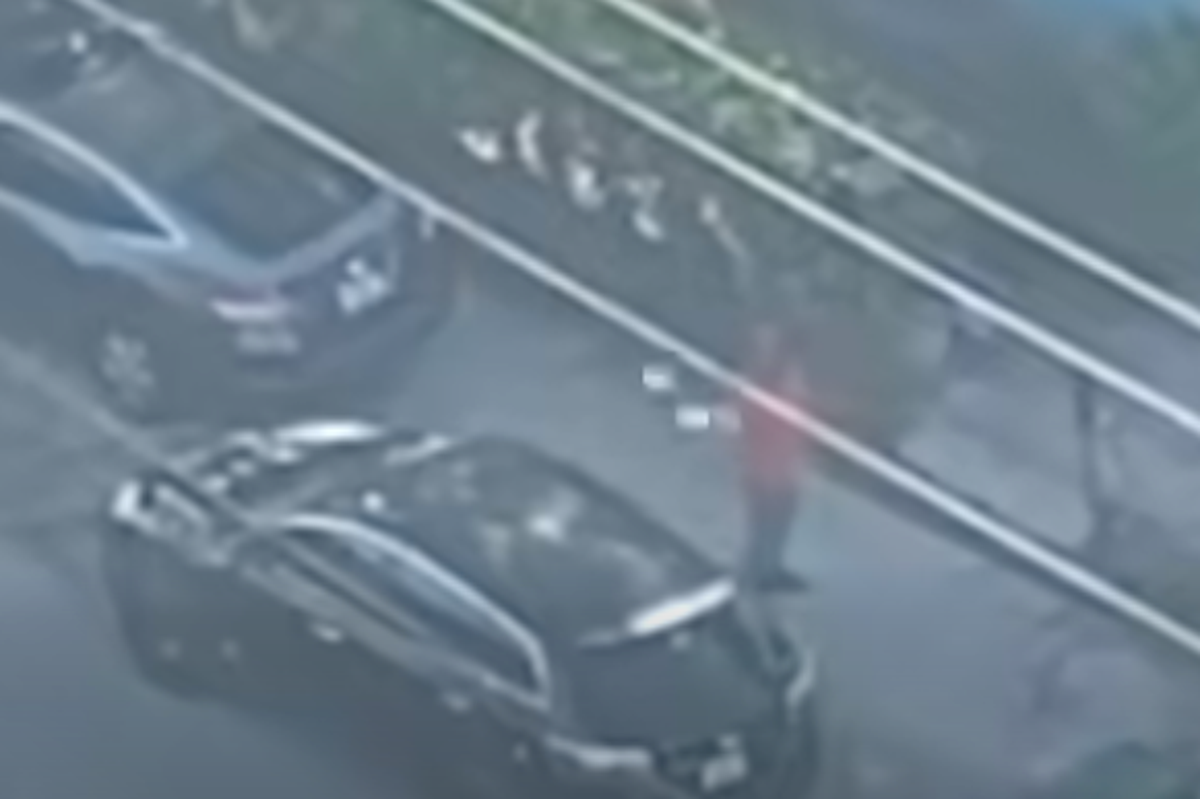
Imagine the sheer, unadulterated terror required to turn a valuable commodity into a projectile. This wasn't a calculated move. It was the lizard brain taking the steering wheel. With the police closing the gap, the buyer gripped a bag containing roughly 40 grams of cocaine and launched it with the kind of frantic strength only a panic attack can provide.
He wasn't aiming for a trash can. He wasn't trying to hide it under a tire. In a moment of pure, slapstick tragedy, he threw it directly at the man he had just been doing business with.
Physics is indifferent to the law. A projectile in motion stays in motion until it meets an equal and opposite force. In this case, that force was the face of the alleged dealer.
There is a grim irony in being physically assaulted by the very thing you are trying to sell. The bag, weighted by the density of the compacted powder, struck the dealer squarely in the head. It wasn't just a hit; it was a punctuation mark. The dealer, already reeling from the realization that his day was over, was literally blindsided by his own inventory.
Consider the mechanics of that impact. Forty grams doesn't sound like much until it is wrapped in plastic and propelled by the adrenaline of a man facing ten years in a cell. It becomes a blunt instrument. It carries the weight of every bad decision that led to that parking lot. When it connected, it wasn't just skin hitting plastic. It was the collapse of a lifestyle.
The Quiet After the Impact
The silence that follows a chaotic arrest is heavy. Once the shouting stops and the handcuffs click into place, the adrenaline recedes, leaving behind a cold, hollow clarity. The dealer, nursing a face that now bore the physical mark of his customer’s betrayal, sat on the curb. The buyer, whose aim was unfortunately true at the worst possible moment, sat nearby.
They were no longer partners in a shadow economy. They were just two people trapped in the machinery of the justice system, bound together by a flying bag of white powder.
The police recovered the bag, of course. The "weapon" was also the evidence. In the grim ledger of the precinct, the weight of the drugs would determine the length of the sentences, but no paperwork could capture the sheer absurdity of the strike. It is a detail that gets lost in the dry language of a police report. A report will say "The suspect discarded the contraband, striking the second suspect." It won't mention the stinging humiliation or the sound the bag made when it hit bone.
We often view crime through the lens of high-stakes drama—sleek cars, calculated risks, and shadowy figures. The reality is much more human and significantly more pathetic. It is messy. It is clumsy. It is a man getting hit in the eye with a bag of cocaine because his friend forgot how to think.
The Invisible Stakes of a Split Second
What drives a person to that specific point of malfunction? It is the knowledge that their life is bifurcating. There is the life they had five seconds ago, and the life they will have for the next decade. The gap between those two realities is a chasm that people try to leap across with any tool available. Sometimes that tool is a lie. Sometimes it is a weapon. In New Bedford, it was a desperate, overhand toss.
The stakes in these interactions are never just about the money. They are about the constant, low-grade fever of looking over your shoulder. When that fever finally breaks into a full-blown crisis, the results are rarely cinematic. They are usually just sad.
The dealer didn't just lose his product that day. He lost his dignity to a customer who, in a moment of pure selfishness, tried to make the evidence someone else's physical problem. It highlights a fundamental truth about the world they inhabited: there is no honor among the terrified.
The legal system will process them. The weights will be measured. The charges—trafficking, possession, resisting—will be read aloud in a sterile courtroom that feels a thousand miles away from that humid parking lot. The judge will look at the facts. The lawyers will argue over the intent. But neither side will truly touch on the human core of the event: the split second where a man’s only instinct was to throw his problems at someone else’s head.
The Residual Echo of the Hit
Months from now, when the bruises have faded and the case files are thinning, that moment will likely be the only thing the participants remember with any clarity. Not the Miranda rights. Not the ride in the back of the cruiser. Just the sight of that white bag silhouetted against the gray pavement, arching through the air toward a face that didn't see it coming.
It serves as a reminder that the world of crime is not a well-oiled machine. It is a collection of fragile people making terrified choices under immense pressure. It is a series of collisions—legal, social, and physical.
The buyer’s panic didn't save him. It didn't hide the drugs. It didn't buy him time. It only ensured that the man he was dealing with would remember him not as a customer, but as the person who hit him in the face with the end of his freedom.
The bag landed. The police closed in. The story ended before it could even begin, leaving nothing behind but the sting of impact and the long, slow crawl of consequences.
The light in the parking lot shifted as the sun went down, casting long shadows over the spot where the bag had struck. The officers packed up their kits. The cruisers pulled away. The theater of the absurd had closed for the night, leaving the pavement empty, indifferent to the kinetic energy of a life falling apart.
Sometimes the weight of our choices doesn't just sit on our conscience. Sometimes, it hits us right between the eyes.