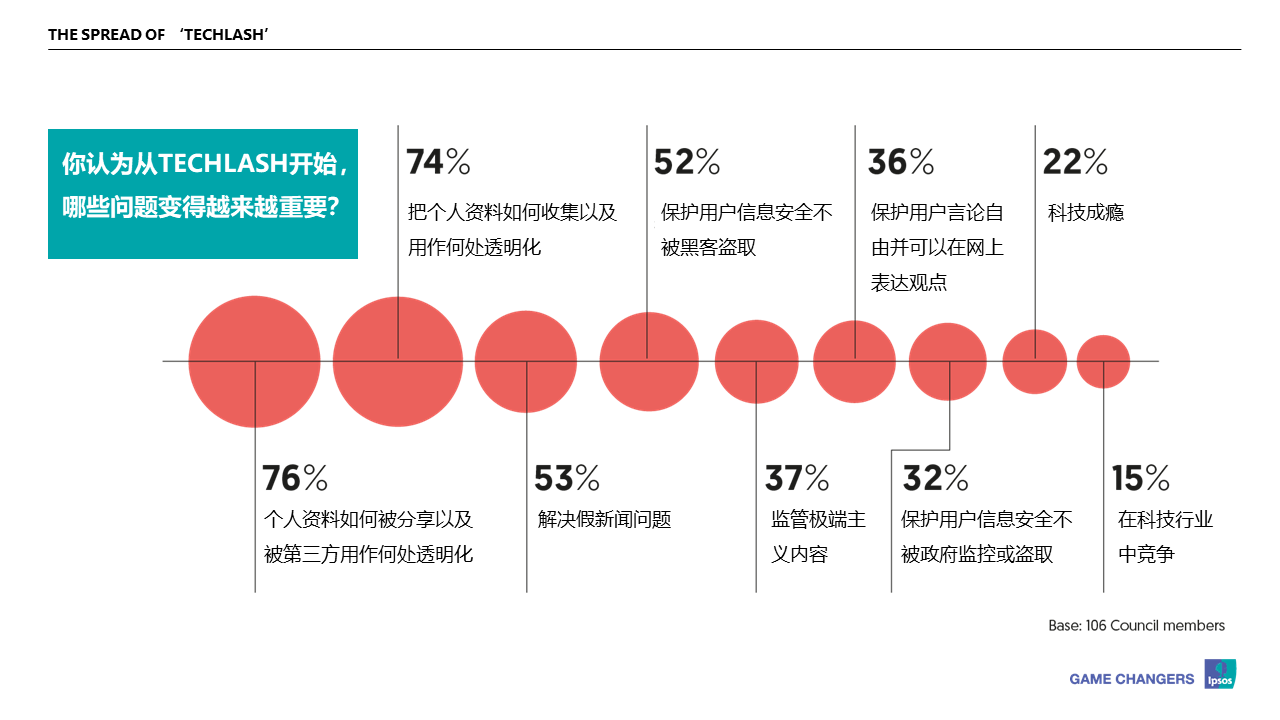
Silicon Valley used to get a free pass. People loved the shiny new apps, the instant delivery, and the endless scroll. That honeymoon phase crashed hard. Today, public anger toward major platforms isn't just a noisy media cycle. It's a structural shift in law, culture, and business that changes every rule of product design.
You feel it when regulators slap massive fines on social media networks. You see it when antitrust lawyers target search monopolies. Regular users are tired of dark patterns, manipulative feeds, and data harvesting. If you build software today, ignoring this public hostility means walking straight into a regulatory trap.
The Shift From Disruption to Accountability
For years, the tech industry operated under a simple motto. Move fast and break things. That ideology worked great when startups had ten employees and zero market share. It fails miserably when a handful of multinational corporations control the digital infrastructure of entire democracies.
Consumers figured out the business model. You aren't the customer when the product is free. You are the inventory.
Congressional hearings transformed from tech-celebrity photo ops into genuine legislative threats. Lawmakers across the political spectrum found common ground in hating big tech. This isn't partisan posturing anymore. It produced actual statutory pressure, like the European Union's Digital Markets Act inspiring copycat bills in various state legislatures across America. Privacy laws aren't optional guidelines written on a whiteboard. They are strict legal requirements with teeth.
How User Trust Actually Broke
Nobody wakes up hating an app. Trust erodes through a thousand tiny cuts.
Think about the last time you tried to delete an account or cancel a subscription. You had to click through five different warning screens, navigate intentionally confusing button colors, and chat with an unhelpful automated bot. That is hostile design. It maximizes short-term retention metrics while torching long-term brand equity.
People caught on. Parents watched their teenagers get hooked on algorithmic loops designed to spike dopamine and anxiety. Workers realized their productivity was tracked down to every keystroke by invasive enterprise software.
The backlash hit the recruitment pipeline, too. Top engineering graduates used to treat joining a social media giant as the ultimate career victory. Now, many developers openly question the ethics of the code they write. They want to work on hard technical problems that do not rely on exploiting human psychology.
Building Products People Can Trust Again
Smart teams are changing how they build because the old playbook is dead. You cannot trick your way into sustainable growth anymore.
Transparency wins. If your app collects location data, tell the user why in plain English. Drop the legal jargon. Give users a genuine off-ramp.
Here is what works right now:
- Simpler interfaces that respect user attention rather than hijacking it.
- Data minimization practices that store only what is strictly necessary to run the service.
- Openness about algorithmic sorting instead of hiding behind black-box recommendation engines.
When you remove manipulative dark patterns, user retention looks different. It drops the fake spikes driven by panic notifications, but it builds real loyalty. People stick around because they like the utility, not because they are trapped in a notification loop.
What This Means for Founders and Builders
If you are launching a product today, treat public skepticism as a design constraint, just like bandwidth or battery life.
Antitrust scrutiny means you cannot easily buy your way out of competition anymore. M&A exits are harder because regulators block mega-mergers with unprecedented aggression. You have to build a business that makes money from day one through subscriptions or honest commerce, rather than banking on a massive buyout from a monopoly.
Privacy-first engineering sounds expensive, but retrofitting security after a public relations disaster costs ten times more. Build compliance into your core architecture from the first sprint.
The public mood won't swing back to blind techno-optimism. The days of unregulated digital expansion are finished. Build things that respect people, or prepare to watch your market share vanish under a wave of compliance fines and user churn.