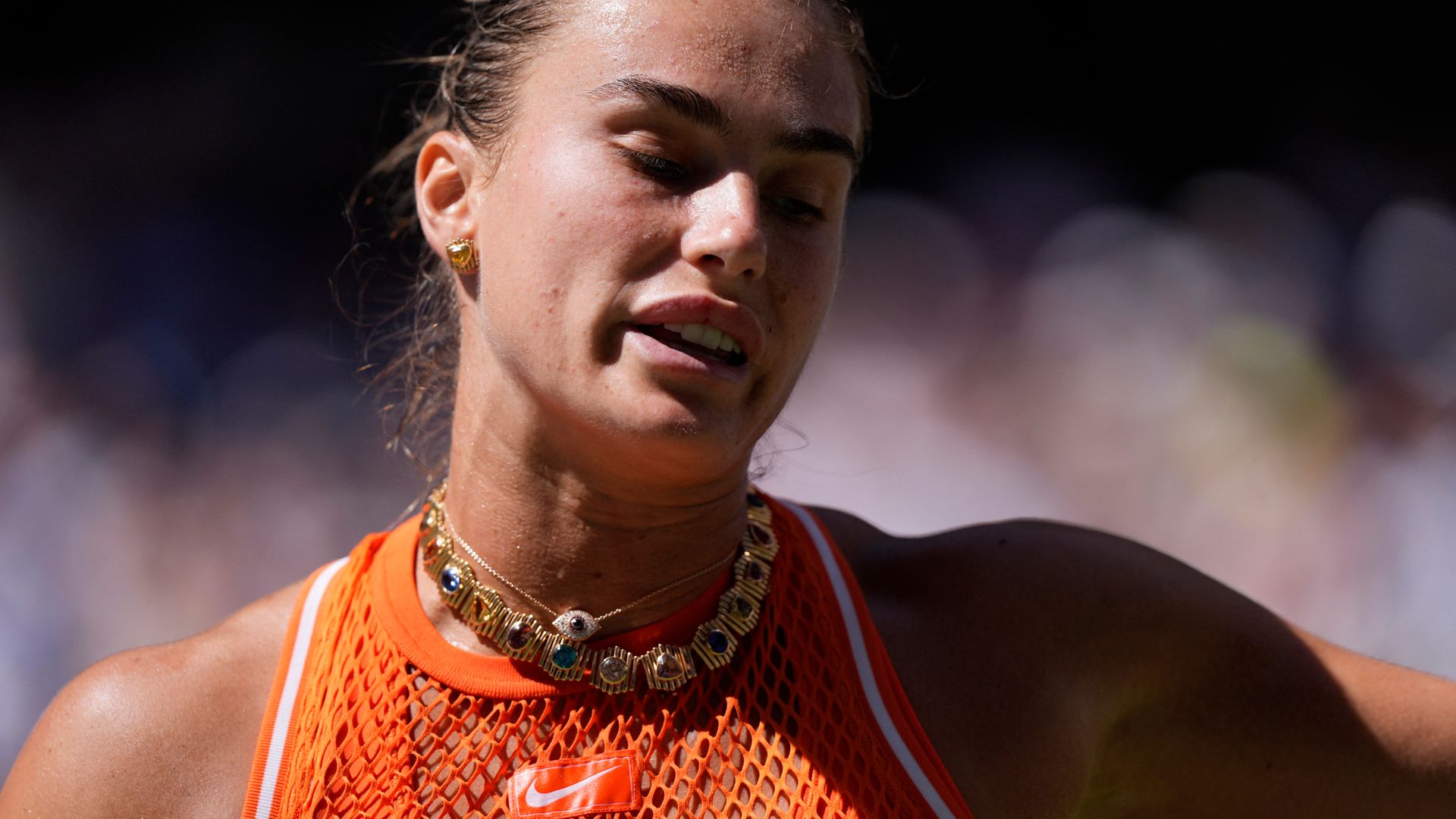
The chair umpire’s voice echoed sharply across Arthur Ashe Stadium, cutting through the tense silence of a crucial service game. "Guys, please, in the suite behind me... please take your seat." It was not a warning issued to a rowdy fan or an unruly group of traditional sports bettors. It was directed at a cluster of social media influencers staging a full-scale commercial photo shoot complete with portable ring lights while Naomi Osaka prepared to toss the ball.
This viral disruption at the tournament is not an isolated annoyance. It represents the predictable climax of a corporate strategy that has prioritized digital vanity metrics over the physical integrity of professional sport. For a deeper dive into this area, we recommend: this related article.
When tournament organizers decided to hand out roughly one hundred dedicated media credentials to content creators alongside thousands of promotional tickets, they opened Pandora’s box. The official justification remains stubbornly uniform across every traditional sports league desperate for youth engagement. Bring in the influencers, the marketing executives argue, and you capture the elusive attention span of younger demographics who allegedly find standard athletic competition too slow.
Yet the execution exposes a profound institutional cowardice. Tournaments want the commercial upside of internet celebrity culture without enforcing the basic rules of engagement that decades of tradition built to protect athletes. For additional context on this issue, comprehensive coverage is available on NBC Sports.
Tennis occupies a unique psychological space among major sports. Unlike football or basketball, where ambient crowd noise is a feature of the ecosystem, tennis demands absolute stillness during active play. The ball travels at blinding speeds. Players rely on audio cues, the snap of strings, the bounce on the court surface, and the rhythm of their own breathing. Introducing high-intensity LED ring lights, wandering bodies during points, and shouted vanity narration into the lower bowl destroys the concentration required for elite competition.
Top players are finally breaking ranks to condemn the administrative failure. Naomi Osaka did not mince words after her match, pointing out that while audience expansion is welcome, the current free-for-all lacks basic respect for professional labor. Jessica Pegula offered a similar critique, noting the absurdity of performers trying to execute their careers while influencers treat the baseline like a backdrop for an outfit-of-the-day post.
The core issue extends far beyond a few cringe-inducing TikTok clips. It exposes a systemic shift in how sporting infrastructure allocates its most valuable assets. Premium courtside seats—traditionally reserved for tennis historians, dedicated fans, and players' families—are increasingly converted into content creation incubators. Brands subsidize these tickets because the return on investment from a viral reel dwarfs the value of a purist sitting quietly with a scorecard.
Consider the economics driving the trend. Traditional television ratings face constant erosion, while short-form algorithmic feeds dictate cultural relevance. For tournament executives staring at balance sheets, an influencer posting a courtside cocktail video to two million followers looks like free marketing.
The hidden cost lands entirely on the athletes. When an umpire has to halt a Grand Slam match to discipline adults who cannot figure out how to sit still during a point, the sport reduces itself to a sideshow. It tells the world that the entertainment value of the person watching is superior to the competitive effort of the person playing.
Administrators hide behind boilerplate PR statements insisting these disruptions are infrequent anomalies managed swiftly by officials. That defense collapses under the weight of spectator footage flooding social media channels. Video evidence reveals tournament staff actively assisting influencers with their setups, holding equipment, and carving out space that impedes movement in crowded aisles.
A hypothetical fix does not require banning smartphones or returning to the austere silence of the 20th century. It requires treating credentials as contracts carrying enforceable behavioral obligations. If an attendee uses a portable lighting rig during a live point, security should confiscate the equipment and revoke access permanently.
Instead, leadership chooses appeasement. They calculate that the occasional player complaint is a cheap price to pay for trending hashtags. By refusing to draw a hard line, they risk alienating the hardcore base that fills stadiums through rain delays, early-round blowouts, and decades of loyalty.
Tennis survived previous eras of commercialization by remembering what it sells. It sells supreme physical mastery under extreme pressure. When you turn the arena into a studio for people whose primary skill is narcissism, you undermine the very product you are trying to market.
The baseline is not a runway. The athletes are not props. Until tournament directors understand that distinction, the circus will continue to overshadow the sport.