The cost of war just became a reality for the American public. On Sunday, March 1, 2026, the Pentagon confirmed that three U.S. service members were killed and five others seriously wounded during the opening phases of Operation Epic Fury. These are the first American fatalities in a massive joint offensive with Israel that has already reshaped the Middle East in less than forty-eight hours.
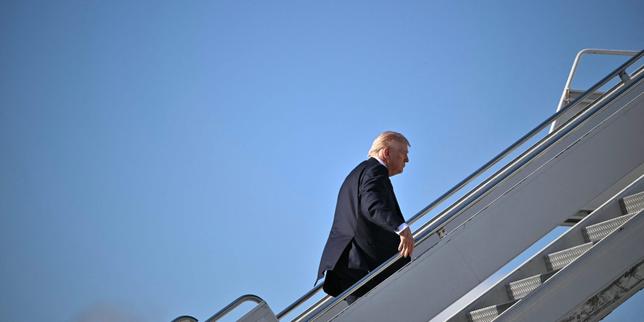
President Donald Trump didn't sugarcoat the news. In a video address from the White House, he acknowledged the loss and warned that more casualties are "likely" as the operation moves into its next phase. It's a blunt admission that signals a long, violent month ahead. If you've been following the headlines, you know the goal isn't just a surgical strike. It's a total dismantling of the Iranian regime's security apparatus.
What we know about the casualties
U.S. Central Command (CENTCOM) remains tight-lipped about the specifics. We know the deaths occurred, and we know the injuries are severe. Beyond the three killed and five seriously wounded, several other troops are being treated for concussions and shrapnel wounds. They're expected to return to duty soon.
The identities of the fallen won't be released until twenty-four hours after their families are notified. This is standard procedure, but it doesn't make the wait any easier for military families watching the news. While early reports on Saturday suggested there were no U.S. casualties, the reality of Iranian retaliatory strikes caught up quickly.
CENTCOM dismissed rumors that the USS Abraham Lincoln was hit by Iranian ballistic missiles. They were very direct on social media: "The Lincoln was not hit. The missiles launched didn't even come close." Still, the fact that Iran is even attempting to sink a U.S. carrier shows how high the stakes have climbed.
Operation Epic Fury by the numbers
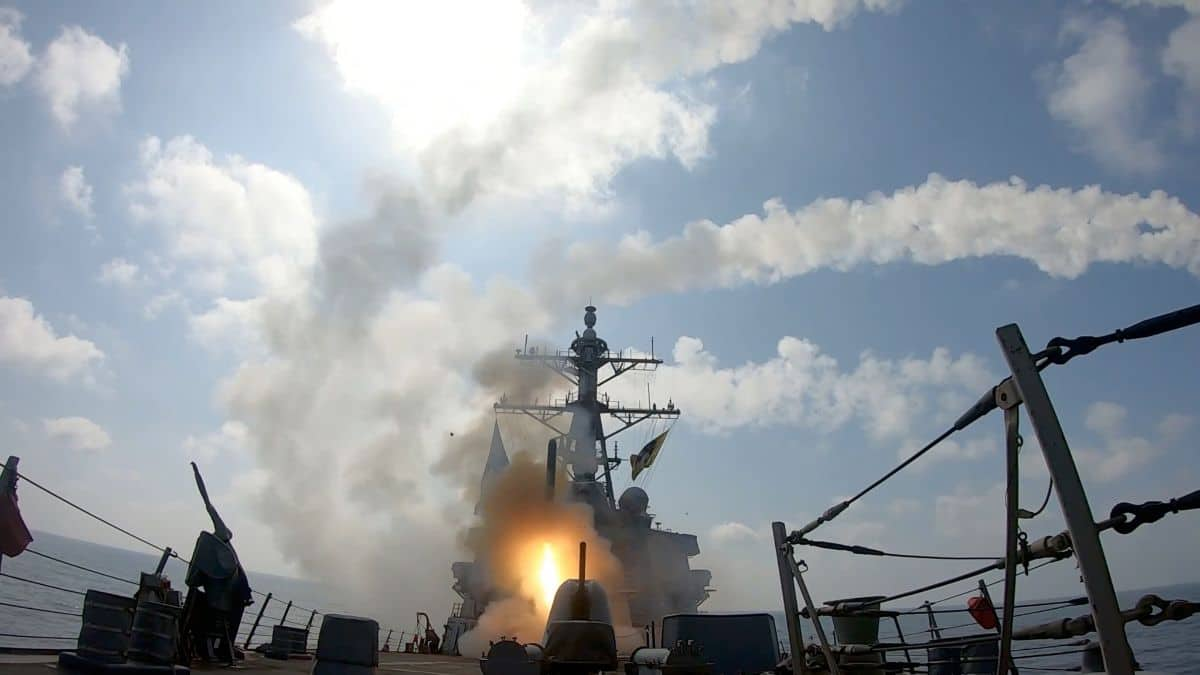
This isn't a small skirmish. It’s the largest combat sortie in the history of the Israeli Air Force, and the U.S. is matching that intensity with everything from B-2 stealth bombers to HIMARS.
- 1,200+ bombs dropped in the first 24 hours.
- 9 Iranian warships sunk, according to the Pentagon.
- 500+ military targets hit, including air defenses and command centers.
- 48 Iranian leaders reportedly killed, including Supreme Leader Ayatollah Ali Khamenei.
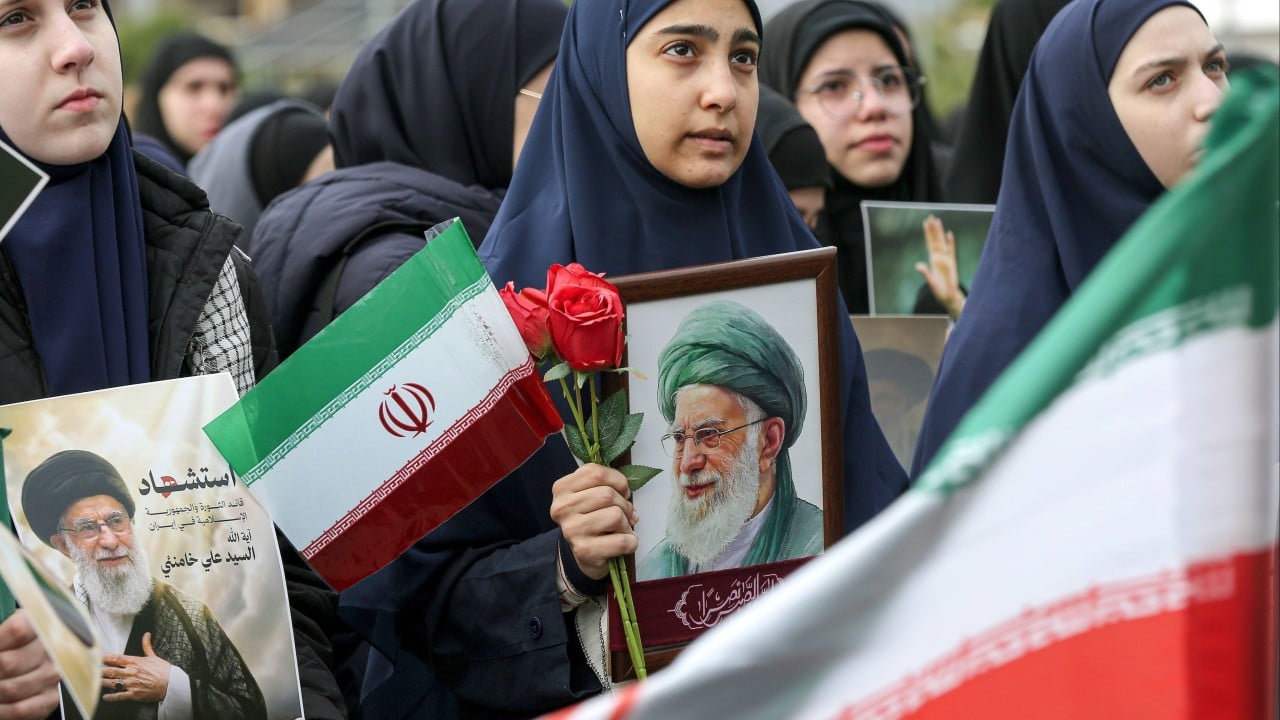
The death of Khamenei is the pivot point. President Trump called it the "single greatest chance" for Iranians to reclaim their country. But that opportunity comes with a massive price tag in human lives. The Iranian Red Crescent Society claims over 200 people have died within their borders, many of them civilians caught in the crossfire of "Operation Genesis"—the Israeli name for the strikes.
Why this conflict is different
Most people are used to "proportional" responses. This isn't that. Operation Epic Fury is an all-out attempt to remove the Iranian threat for good. The U.S. built up its largest Middle Eastern presence in decades before the first missile flew. Now, with the USS Gerald R. Ford joining the fray, the message is clear: the administration isn't looking for an exit ramp.
Critics argue that striking Tehran directly invites the very regional war the U.S. has tried to avoid for twenty years. They're not wrong. Hezbollah has already broken its ceasefire, firing projectiles into northern Israel from Lebanon. Bases in Bahrain and the UAE have seen incoming fire. This is the "fluid situation" CENTCOM keeps mentioning. It's a polite way of saying the map is on fire.
The path forward
Trump told reporters the operation could last four weeks. If the first two days cost three American lives, the math for the next twenty-eight is grim. You should expect more news of "shrapnel injuries" and "concussions" as Iranian proxies across the region—the "Axis of Resistance"—try to make the U.S. pay for the decapitation of the Tehran leadership.
Don't expect the Pentagon to back down. The current strategy is to keep the pressure so high that the Iranian military can't reorganize. It's a high-speed, high-risk gambit. If you have family members deployed in the region, keep your notifications on. The next few days will determine if this stays a localized war or turns into something much bigger.
Stay informed by checking the official CENTCOM social media feeds for casualty updates. Avoid the "open source intelligence" accounts on X that claimed the Lincoln was sinking; they've been consistently wrong since the strikes began. Stick to verified reports as this conflict enters its most dangerous week.