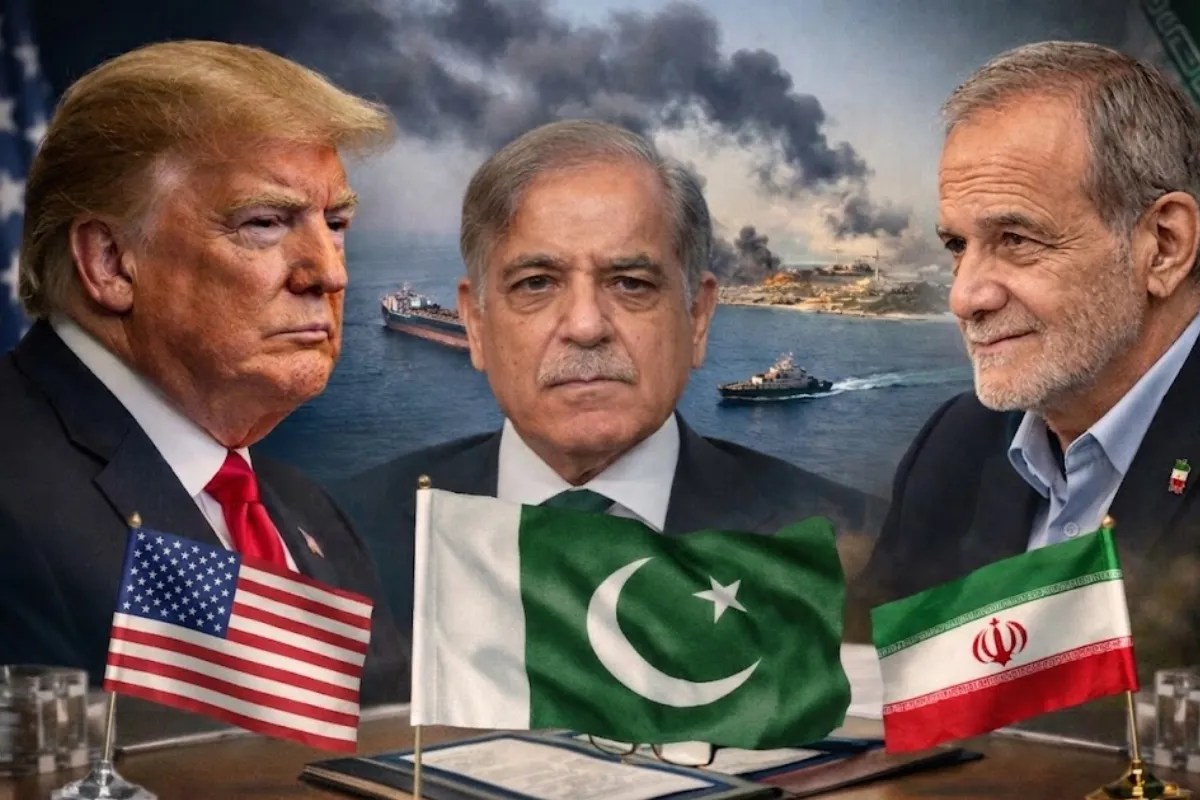
If you’re waiting for a diplomatic breakthrough between Washington and Tehran, don’t hold your breath. Despite the desperate need for a permanent ceasefire in a conflict that’s already crippled regional infrastructure and sent oil prices into a tailspin, the "table of negotiation" has essentially become a "table of ultimatums."
The latest blow to diplomacy came directly from the halls of the Iranian Majlis. Mohammad Reza Mohseni Sani, a heavy-hitter on Iran’s National Security and Foreign Policy Commission, just threw a bucket of cold water on the prospect of sitting down with US officials. His stance isn’t just typical posturing; it’s a reflection of a massive trust deficit that has widened during the 2026 conflict.
The Mohseni Sani Ultimatum
Honestly, Mohseni Sani’s recent comments to the Mehr news agency were blunt even by Tehran’s standards. He flatly stated that negotiations are "not acceptable" under the current conditions. Why? According to him, the US isn't looking for a deal—it’s looking for a surrender.
He’s not alone in this sentiment. While the Trump administration has been pushing a 15-point proposal through Pakistani mediators, the Iranian side sees these points as "excessive demands" designed for US domestic political consumption rather than actual peace. Mohseni Sani pointed to "recent aggressions" and the messy history of previous failed deals as the primary reasons to stay away. In his view, the US has already violated the spirit of the 14-day ceasefire, making any further talk a waste of time.
Why Both Sides Are Stuck
It’s easy to blame "stubbornness," but the reality is a lot more complicated. We’re looking at two sides that aren't even reading from the same book, let alone the same page.
- The US Position: Washington wants an immediate, permanent reopening of the Strait of Hormuz and a total halt to Iran's nuclear enrichment. They’re using a naval blockade as leverage, which they don't even call a blockade—they call it "maritime security."
- The Iranian Position: Tehran is demanding full war reparations and the immediate lifting of all sanctions before they even think about a long-term deal. They’ve also threatened to leave the Nuclear Non-Proliferation Treaty (NPT) entirely if the pressure doesn't ease.
Mohseni Sani basically said that as long as the US keeps its shadow over the region, Iran will "reveal new cards on the battlefield" instead of showing up at the negotiating table. That’s a polite way of saying they’re prepared for things to get much worse before they get better.
The Looming Deadline
The timing here is brutal. The current ceasefire is set to expire tomorrow, April 22, 2026. While Pakistan has been working overtime to bridge the gap, the rhetoric coming out of Tehran suggests they might let the clock run out. Iranian Judiciary Chief Gholamhossein Mohseni Ejei backed this up, claiming the Islamic Republic hasn't backed down "one inch" from its original demands.
The Reality on the Ground
While politicians talk about "national interests," the Iranian people are the ones paying the bill. Between the national internet blackout and the soaring prices of basic goods like bread, the internal pressure is at a breaking point. Yet, the hardliners in the Majlis, including Mohseni Sani, seem to believe that showing any sign of flexibility now would be seen as a "Gorbachev moment"—a sign of weakness that could lead to the regime's total collapse.
They’re also watching the US domestic scene. Many in Tehran believe the Trump administration is using these talks to score points at home while maintaining a "maximum pressure" strategy that doesn't actually allow for a middle ground.
What Happens if Diplomacy Fails
If Mohseni Sani’s prediction holds and the next round of talks is truly "off the table," we’re looking at a return to full-scale hostilities. The US has already threatened extensive strikes on Iranian energy sites if the Strait of Hormuz isn't fully reopened by the end of this month. Iran, for its part, has hinted at "Qisas" (retribution) against any American personnel they capture.
It’s a high-stakes game of chicken where nobody wants to blink first. For now, the "current situation" is too volatile for any meaningful dialogue. Unless Washington significantly softens its 15-point demand or Tehran decides the economic cost of war is finally too high to bear, the diplomats can stay home.
Watch the 24-hour window following the ceasefire expiration. If we don't see an extension or a sudden departure of an Iranian delegation to Islamabad, the region is headed back into the fire.