Donald Trump doesn’t usually back down. But at 6:15 PM last night, with B-52 bombers literally in the air and a self-imposed 8 PM deadline ticking away, the world held its breath. Trump had spent the day on Truth Social warning that a "whole civilization will die tonight." Then, the pivot happened. A two-week ceasefire is now in effect, brokered by Pakistan, and the immediate threat of the US obliterating Iranian power plants and bridges has vanished. For now.
If you’re looking for a simple peace deal, this isn't it. This is a high-stakes staring contest where both guys just blinked at the same time. Iran gets a break from the most intense aerial bombardment since the war started five weeks ago. Trump gets to claim a "total victory" while the global economy stops its free-fall. Meanwhile, you can explore related events here: Your Shark Attack Empathy Is Killing Marine Conservation.
What the deal actually says
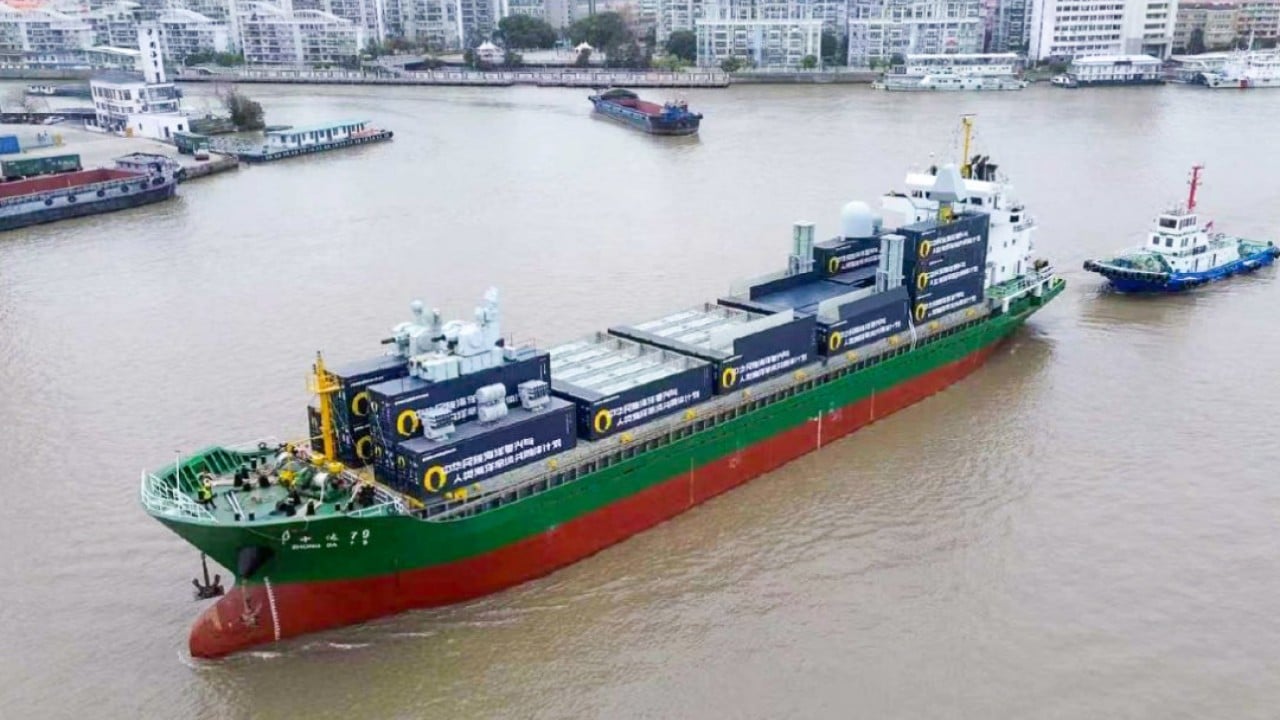
This isn't a treaty. It’s a 14-day pause with very specific, very fragile conditions. The core of the agreement rests on the Strait of Hormuz. Iran has agreed to a "complete, immediate, and safe opening" of the waterway. In exchange, the US is staying its hand on a massive strike package that targeted civilian infrastructure—everything from the electricity grid to the rail lines that keep 93 million people fed.
- Duration: 14 days, starting immediately.
- The Big Ask: Iran must allow safe passage for all maritime traffic through the Strait of Hormuz.
- The Mediator: Pakistan’s Prime Minister Shehbaz Sharif, who literally begged for this extension to prevent a regional apocalypse.
- The Wildcard: Negotiations move to Islamabad this Friday to look at a 10-point peace proposal Iran put on the table.
Why Trump pulled the plug on the bombing
It’s easy to think Trump got cold feet, but the reality is more calculated. The US and Israel have already hammered Iran’s nuclear facilities and military hubs. Last week's strike on the South Pars gas field—the world's largest—showed Tehran exactly how much pain the coalition could inflict. To see the complete picture, check out the recent report by NBC News.
Trump’s rhetoric about setting Iran "back to the stone ages" wasn't just talk. However, hitting power plants and bridges during a month of heavy rain and displacement would have likely crossed the line into war crimes. Legal scholars and even the Pope were sounding the alarm. By taking the ceasefire, Trump avoids the international blowback while keeping the "maximum pressure" lever firmly in his grip. He’s basically saying, "I showed you the gun; now let’s see if you can follow the rules for two weeks."
The Lebanon loophole
Don't think the whole region is going quiet. Benjamin Netanyahu made it clear within hours of the announcement: this deal does NOT include Lebanon. While the skies over Tehran might be clear of American drones, the Israeli Air Force is still hitting Hezbollah targets in Tyre and southern Lebanon.
This creates a messy situation. Pakistan claimed the ceasefire covered "Lebanon and elsewhere," but Israel isn't playing ball. This gap in the agreement is the biggest threat to the 14-day window. If Hezbollah launches a major retaliatory strike on Tel Aviv during this "pause," Trump will be under immense pressure to restart the engines on those B-52s.
Markets are breathing again
The economic impact was instant. Oil prices, which had spiked to $109 a barrel, plummeted 13% overnight. S&P 500 futures are surging. Why? Because the Strait of Hormuz is the world's jugular vein. A fifth of the global oil supply goes through there. When Iran closes it, the world goes broke. When they open it, even if just for two weeks, the pressure valve on global inflation finally starts to hiss.
Is this a real path to peace
Honestly, it’s a coin flip. Iran’s 10-point proposal includes things the US has traditionally hated: full withdrawal of US forces from the region and the lifting of all sanctions. But the fact that Trump called it "workable" is a massive shift. It suggests that even the most hawkish members of his administration—like Defense Secretary Pete Hegseth—might realize that a full-scale ground war in Iran is a rabbit hole the US doesn't want to fall down.
Iran’s Supreme National Security Council is still keeping its "hand upon the trigger." They aren't surrendering; they're regrouping. They need this time to fix their battered air defenses and get their oil exports moving again to fund the war effort if talks fail.
What happens next
The clock is already running. Negotiations in Islamabad start Friday. If you’re tracking this, keep your eyes on the shipping data in the Strait. If tankers start moving without being harassed by the Revolutionary Guard, the ceasefire might actually hold for the full 14 days. If we see another "incident" at sea or if the fighting in Lebanon spills over, the 8 PM deadline Trump cancelled yesterday will just be moved to a different night.
Keep your travel plans flexible if you’re heading anywhere near the Gulf. Watch the price at the pump—it should start dropping by the weekend. Most importantly, don't mistake this for the end of the war. It's just a very loud silence.