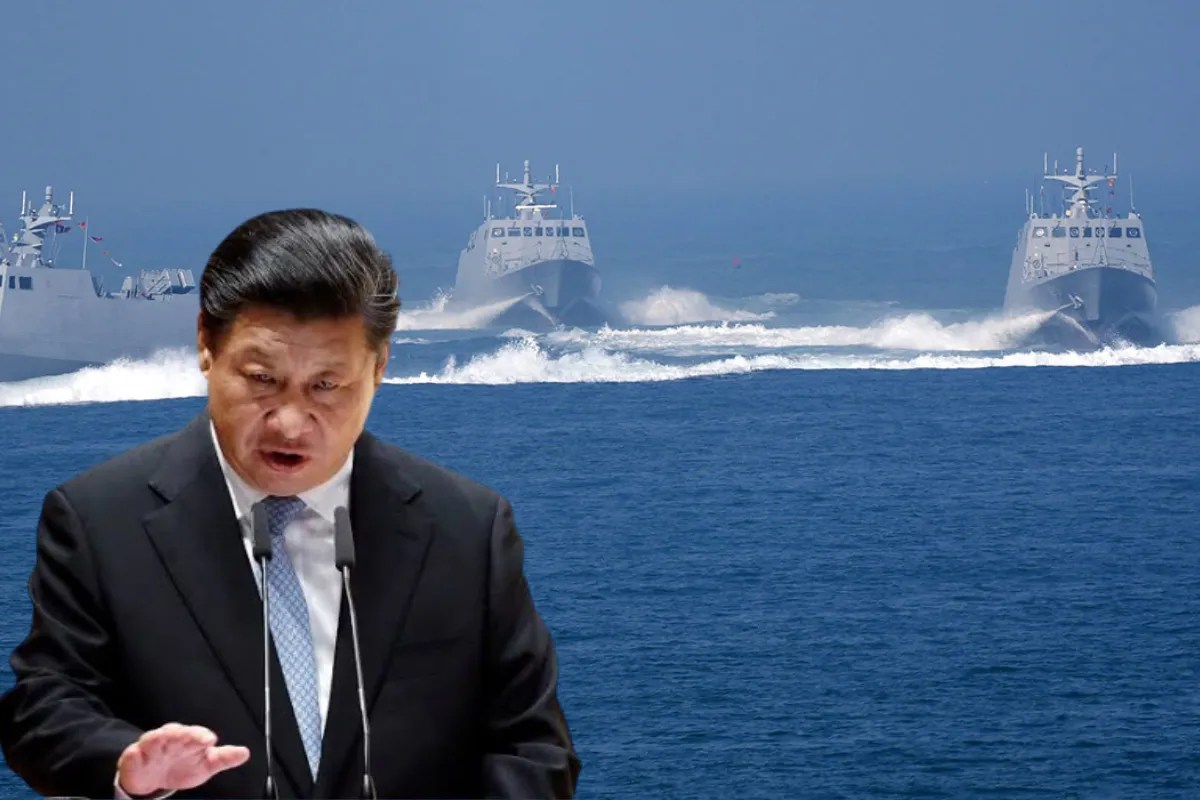
The decision to allow the United States military to launch heavy bomber strikes from British soil has pushed the UK into the dangerous heart of a expanding Middle Eastern war. When Washington sent B-1 Lancer bombers soaring out of Gloucestershire bound for targets across Iran, it wasn't just a routine deployment. It was a massive shift in strategic risk for the British public.
Tehran didn't take long to react. Iranian officials quickly labeled British facilities as legitimate targets, warning that facilitating American attacks makes the UK an active participant in aggression. The warnings haven't stayed purely verbal either. Recent retaliatory strikes and drone incidents near UK facilities overseas highlight how fast this conflict is spreading beyond the Middle East.
The Reality of American Bombers Operating From Gloucestershire
RAF Fairford in Gloucestershire occupies a specific place in Western military planning. It's the only airbase in Europe equipped with a runway long enough and the logistics infrastructure capable of handling heavily loaded US strategic bombers like the B-1 Lancer and B-52.
When heavy armaments start moving across tarmac in rural England, local communities take notice. Residents near Fairford reported high-visibility security measures, road closures, and heavy military activity long before official announcements were made. Seeing pallets of heavy bombs loaded onto American aircraft bound for foreign target zones changes the foreign policy debate instantly. It shifts abstract geopolitical discussions into a tangible reality right in the English countryside.
London's official position remains that British bases support only defensive operations aimed at countering missile threats and keeping vital shipping lanes like the Strait of Hormuz open. But that distinction feels razor-thin when long-range bombers take off from UK soil to drop heavy ordnance on Iranian infrastructure.
Legal Debates and Political Fallout Inside the UK
The choice to maintain or grant base access to US forces during active conflicts always triggers fierce domestic pushback. Opponents argue that supporting unprovoked or questionable international military actions violates international law and undermines UK sovereignty.
Critics across Parliament and civil society groups point out several key issues with current base-sharing agreements:
- Operational oversight remains murky, with questions over whether UK officials approve every specific target or simply grant broad operational access.
- Broader escalation risks increase, turning UK domestic infrastructure into potential retaliation targets for foreign missile systems or proxy groups.
- Public sentiment leans heavily against deep military involvement, with recent polling indicating a majority of citizens oppose using UK bases for strikes against Iran.
Governments in London traditionally argue that the special relationship with Washington relies on mutual defense commitments and intelligence sharing. Denying access during an ongoing military campaign could rupture diplomatic ties with the United States, especially when American leadership demands total cooperation from NATO allies.
How Tehran Views British Base Cooperation
From Tehran's perspective, there is zero distinction between an American jet launching from an aircraft carrier in the Gulf and one taking off from an airfield in Gloucestershire. Iranian foreign policy officials made their stance clear in direct conversations with UK diplomats: allowing launch facilities constitutes active participation.
Iran's military doctrine increasingly relies on asymmetric pressure. If Iranian forces cannot directly match American air power, they look for alternative pressure points. That means targeting:
- British diplomatic and military assets located throughout the Gulf region.
- Commercial shipping channels passing through the Strait of Hormuz where Western interests operate.
- Foreign bases housing allied personnel, as seen in recent drone strikes against UK facilities in the Mediterranean.
By allowing US aircraft to rearm and refuel on British territory, the government has bound the security of domestic airbases and overseas troops directly to the unpredictable choices made in Washington.
Balancing National Defense Against Alliance Commitments
Strategic alliance commitments frequently put middle powers like the UK in tight spots. Supporting Washington preserves intelligence sharing and defense guarantees, but it also strips away diplomatic flexibility. When the White House demands unrestricted access to forward bases, British prime ministers face a brutal choice between risking an alliance breakdown or drawing their own nation closer to a destructive regional war.
Moving forward, the UK faces growing pressure to establish clearer boundaries around how foreign militaries use domestic bases. Without strict oversight and transparent guidelines on target selection, the UK risks being dragged deeper into regional strikes that lack broad international consensus or domestic support. Protecting domestic security requires clear legal frameworks that prevent British infrastructure from becoming a launchpad for unchecked foreign operations.