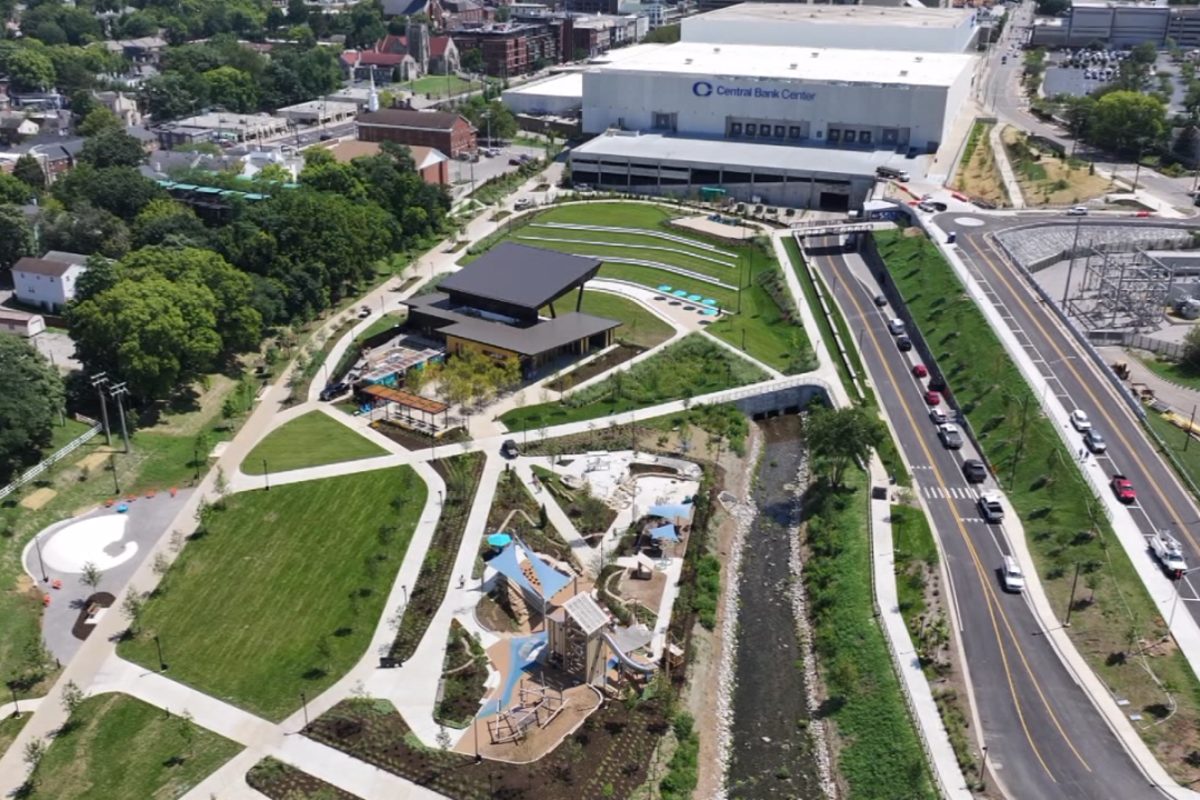
A multi-million dollar donor is suing a Kentucky parks foundation after discovering a playground was not named after her late son, exposing a deep systemic breakdown in how public-private charitable partnerships operate. When wealthy benefactors cut massive checks to municipal projects, they expect their legacy to be etched in stone. Instead, bureaucratic oversight and vague contractual agreements frequently lead to high-stakes legal warfare. This specific breakdown in Kentucky highlights a growing crisis in philanthropic governance, where the lines between a selfless donation and a binding corporate transaction are dangerously blurred.
The lawsuit centers on a $2 million gift intended to honor a family tragedy, yet it underscores a much larger, structural vulnerability in modern fundraising. Municipalities increasingly rely on private dollars to fund public infrastructure, but they rarely possess the sophisticated legal framework required to manage the massive egos and stringent expectations that come with seven-figure checks.
The Breakdown of the Two Million Dollar Handshake
Wealthy philanthropists rarely give away millions without strings attached, a reality that cities routinely fail to navigate properly. In the Kentucky dispute, the donor believed a substantial financial contribution guaranteed exclusive naming rights for a prominent park asset. The foundation, operating under a different set of assumptions or perhaps simple administrative incompetence, failed to deliver the specific memorial the donor anticipated.
This is not an isolated incident of miscommunication. It is the natural byproduct of a fundraising culture that prioritizes securing the capital first and hammering out the uncomfortable legal details later. Development directors at non-profits and public parks foundations are under immense pressure to hit funding targets. They routinely nod along to a donor’s grand vision during lavish dinners, leaving the actual execution to understaffed city agencies that are bound by strict local ordinances and public zoning laws.
When the legal reality of public property collides with the verbal promises made by eager fundraisers, the donor feels betrayed. A $2 million check is signed. The press release is published. Years later, the benefactor walks onto the grounds only to find a generic plaque instead of a monument. The resulting litigation hurts everyone involved, freezing public assets and draining charitable resources intobillable legal hours.
The Illusion of Control in Public Private Partnerships
Private donors often treat public parks as their personal blank canvases, forgetting that government-owned land operates under entirely different rules than private universities or hospital wings. When a university accepts a building donation, its internal board has total autonomy to slap any name they want on the brickwork. Public parks answer to city councils, historical preservation societies, and local voters.
+-----------------------------------------------------------------+
|               The Philanthropic Misalignment                    |
+-----------------------------------------------------------------+
|  Donor Expectations:              |  Municipal Realities:       |
|  - Permanent naming rights        |  - Shifting political boards|
|  - Direct oversight of design     |  - Strict public zoning laws|
|  - Corporate-style execution      |  - Public accountability    |
+-----------------------------------------------------------------+
A city council that approves a naming right today can be completely replaced in the next election cycle. The new administration may have an entirely different view on whether public spaces should be branded by private citizens. This political volatility makes naming rights in public spaces an incredibly risky bet for high-net-worth individuals.
Furthermore, many municipal naming policies include clawback clauses or expiration dates that donors deliberately ignore or fail to read in the fine print. A city might agree to name a playground after a donor's relative, but the standard municipal policy might dictate that all naming rights expire after twenty years, or when the playground equipment is inevitably replaced due to wear and tear. If the donor expects immortality, a twenty-year depreciation schedule feels like a breach of trust.
Why Non Profit Boards Fail to Protect Their Legacies
The governance structure of charitable foundations funding these parks is fundamentally broken. Board members are usually chosen for their wealth and social connections rather than their expertise in municipal law or contract management. They treat fundraising as a marketing exercise, treating major donors as clients who must be pleased at all costs.
This client-pleasing mentality creates a dangerous lack of transparency. When a donor stipulates specific conditions for a gift—such as the exact placement of a sign or the specific wording of a memorial—the foundation board often accepts the terms without verifying if the city's parks department can actually legally fulfill them.
Consider the hypothetical example of a donor conditioning a gift on the installation of a massive, custom-built bronze statue in a historic district park. The foundation accepts the money and promises the statue will rise. Months later, the local historical commission blocks the installation because it violates neighborhood aesthetic guidelines. The foundation has already spent a portion of the money on site preparation, the donor is furious, and the city is caught in the middle of a lawsuit it did not trigger. This hypothetical scenario plays out in various forms across the country every year because boards refuse to say "no" to a large check.
The High Cost of Charitable Litigation
When these disputes hit the court system, the damage extends far beyond the immediate financial figures. Public trust in both the charity and the local government evaporates completely. Regular citizens see a wealthy individual suing over a playground name, and they interpret the entire situation as a playground dispute for billionaires, alienating the everyday donors who give small, consistent amounts to keep the park clean.
Litigation also paralyzes the asset itself. While a lawsuit winds its way through depositions and motions, the disputed playground or park facility often sits half-finished or falls into disrepair. Contractors walk away because payments are frozen in escrow accounts. The community loses the very amenity the donation was supposed to provide in the first place.
The legal fees alone can quickly cannibalize the original gift. A $2 million donation can easily be eroded by hundreds of thousands of dollars in defense fees, money that was explicitly earmarked for public infrastructure. The irony is stark. Money meant to build slides and swings for children ends up funding the retirement accounts of corporate litigators.
Stripping the Emotion from Memorial Philanthropy
Grief is a powerful motivator for charitable giving, but it makes for terrible contract negotiation. A significant portion of large donations to public parks are memorial gifts, driven by grieving parents or spouses looking to create a permanent monument to a lost loved one. This emotional weight raises the stakes exponentially.
To a city bureaucrat, a playground contract is a matter of procurement rules, liability waivers, and maintenance schedules. To a grieving mother, that same contract is a sacred covenant keeping her son’s memory alive. When the bureaucracy treats the project with cold, administrative indifference, conflict is almost guaranteed.
Fundraisers exploit this emotional vulnerability to close deals, promising a level of reverence and permanence that a municipal government simply cannot guarantee. The solution requires a brutal injection of realism at the very beginning of the philanthropic relationship.
How to Fix the Broken Naming Rights System
To prevent these multi-million dollar meltdowns, foundations and municipalities must abandon the casual, handshake culture of fundraising and adopt a rigid, corporate approach to gift agreements. Every single contingency must be explicitly detailed in writing before a single dollar changes hands.
Binding Gift Agreements Must Overhaul Four Key Areas
- Definitive Expiration Dates: Every naming right must have a clear sunset clause, explicitly stating exactly how many years the name will remain on the public property.
- Maintenance and Replacement Triggers: The contract must specify what happens when the physical structure degrades. If the playground burns down or requires a complete overhaul, does the naming right carry over to the new structure, or does it lapse?
- Pre-Approved Design Blueprinting: No money should be accepted until the exact dimensions, materials, and placement of the naming signage have been fully vetted and approved by every relevant city zoning board and historical commission.
- Refund Arbitrations: A clear exit strategy must be written into the document. If the city fails to maintain the facility or violates the naming agreement, a pre-determined mediation process should dictate how much of the unspent principal is returned, preventing full-scale court battles.
Charities must also stop treating donors as untouchable entities who cannot be questioned. If a donor’s demands are incompatible with public usage or local laws, the foundation must have the courage to turn the money down. Accepting a toxic gift that carries a high probability of future litigation is a breach of fiduciary duty to the public and the organization's broader mission.
The wealthy elite will continue to fund public infrastructure as long as local governments remain starved for tax revenue. This reality means public parks will remain commercialized, billboarded spaces disguised as altruism. If cities want to take private millions, they must develop the backbone to manage those millions with corporate discipline, or they will continue to find themselves sitting in depositions instead of cutting ribbons at ribbon-cutting ceremonies.