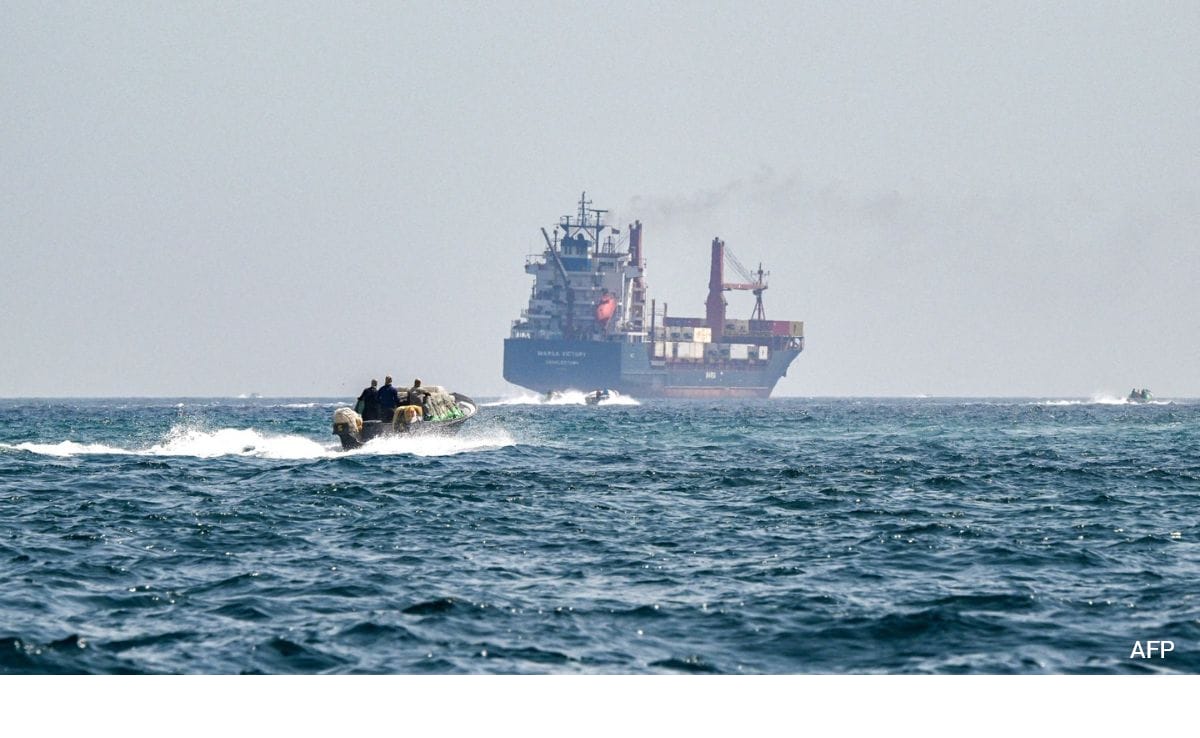
Iran is playing a high-stakes game of chicken in the Strait of Hormuz again. It happens every few years like clockwork. Tensions rise, the West tightens the screws, and Tehran reminds the world that it holds the literal windpipe of the global oil trade. This time, the rhetoric is sharper. Iranian military officials are signaling that while the waterway remains open for most, it’s effectively closed to those they deem "enemies."
If you’re wondering why your gas prices might spike or why naval destroyers are suddenly playing tag in the Persian Gulf, this is it. The Strait of Hormuz is a narrow chokepoint. At its skinniest, the shipping lanes are only two miles wide in either direction. About 20% of the world's total petroleum consumption passes through this tiny strip of water. When Iran says they might shut it down, the world listens because they have to. It's not just a regional spat. It's a potential global economic cardiac arrest.
Why the Strait of Hormuz is the world's most dangerous chokepoint
Geology handed Iran a massive tactical advantage. The Strait connects the Persian Gulf with the Gulf of Oman and the Arabian Sea. Most of the oil from Saudi Arabia, the UAE, Kuwait, and Iraq has to go through here to reach markets in Asia, Europe, and North America. There aren't many ways around it. Pipelines exist, but they can't handle the sheer volume that tankers carry.
Iran knows this. They’ve spent decades building a "mosquito fleet" of fast-attack boats, sea mines, and shore-based anti-ship missiles. They don't need a massive blue-water navy to cause chaos. They just need to make the insurance premiums for tankers so high that nobody wants to sail.
The latest statements from Tehran aren't a declaration of total blockade. That would be a suicide mission. Instead, they're using the threat as a scalpel. By saying the strait is closed "only to enemies," they're trying to divide the international community. They want to tell China and India their oil is safe while making the U.S. and its allies sweat.
The bluff and the bite
Is Iran actually going to sink a tanker tomorrow? Probably not. Shutting the strait completely would hurt Iran as much as anyone else. They need to export their own oil, even if it's through back channels and "ghost" fleets. If the strait closes, their own economy, already battered by sanctions, takes a direct hit.
But "closed to enemies" is a flexible term. It gives the Islamic Revolutionary Guard Corps (IRGC) a pretext to harass, board, or seize vessels they claim are violating their sovereignty or carrying "contraband." We've seen this play out with the seizure of the Stena Impero in 2019 and several other tankers since. It’s a strategy of calibrated friction.
You have to look at the math of naval warfare here. The U.S. Fifth Fleet is based right across the water in Bahrain. They have the firepower to reopen the strait if Iran tried a hard blockade. But "reopening" it isn't a simple switch. It involves clearing thousands of sophisticated sea mines and neutralizing shore batteries. That’s a weeks-long operation during which oil prices would likely hit $150 or $200 a barrel. Iran isn't looking to win a conventional war. They’re looking to make the cost of opposing them too high for the West to bear.
How this impacts your wallet and global stability
Most people think of oil when they hear about Hormuz, but it’s also a massive hub for Liquefied Natural Gas (LNG). Qatar, one of the world's top LNG exporters, sends almost all of its shipments through the strait. If you’re sitting in a home in Europe or Japan that relies on natural gas, this tiny stretch of water is your lifeline.
Energy markets are incredibly twitchy. Traders don't wait for a ship to actually sink before they hike prices. They trade on "perceived risk." Every time an Iranian commander makes a bold statement about closing the strait, the "war premium" on a barrel of oil ticks up.
- Shipping Costs: Insurance companies like Lloyd’s of London designate the Persian Gulf as a high-risk zone. This means every ship pays more just to exist in those waters.
- Supply Chain Lag: Even a minor skirmish causes tankers to anchor and wait, creating a backlog that takes months to clear.
- Inflationary Pressure: If energy costs go up, everything else follows. Food, manufacturing, and travel all get pricier.
The role of "smart" sea mines and asymmetric warfare
Iran’s strategy is based on asymmetric warfare. They don't want to go toe-to-toe with an American aircraft carrier. Instead, they use "smart" mines that can be programmed to ignore certain acoustic signatures and target others. Think of it as a gate that only lets in people with the right password.
The IRGC has also mastered the use of drones. We’ve seen suicide drones used effectively in the region to target specific parts of a ship’s superstructure without necessarily sinking it. It’s enough to disable the vessel and send a message. This kind of "grey zone" conflict is hard to deter because it sits just below the threshold of starting an all-out war.
What the U.S. and allies are doing about it
The response hasn't been just "more ships." It’s been about technology and partnerships. Operation Sentinel, now known as the International Maritime Security Construct (IMSC), is a coalition of nations working together to provide overwatch. They use a mix of manned and unmanned systems to monitor every movement in the strait.
There's a heavy emphasis on "Unmanned Task Force 59." This is a fleet of sea drones that act as persistent eyes on the water. They can stay out for weeks, reporting back on any suspicious Iranian activity. The goal is to take away the element of surprise. If Iran tries to sneakily lay mines or harass a merchant ship, there's likely a small, solar-powered drone filming the whole thing in high definition.
Misconceptions about the "Enemies" list
When Iran says "enemies," they aren't just talking about the U.S. Navy. They're often targeting the "shadow war" participants. This includes ships with any link to Israeli ownership or vessels complying with Western sanctions against Iranian oil.
It’s a way of enforcing their own version of international law. They argue that if their ships aren't allowed to pass through the Suez Canal or the Strait of Gibraltar without being seized, then they have every right to retaliate in their own backyard. It’s a "tit-for-tat" doctrine that turns global trade into a series of hostage negotiations.
The exit strategy for global markets
The world is trying to diversify, but it's slow going. Saudi Arabia has the East-West Pipeline, which can move oil to the Red Sea, bypassing Hormuz entirely. The UAE has a pipeline to Fujairah. These help, but they don't solve the problem. They can only handle a fraction of the total output.
Until the world moves significantly away from Middle Eastern hydrocarbons, the Strait of Hormuz remains the single most important 21 miles of water on the planet. Iran knows this power is their best insurance policy against regime change or a full-scale invasion.
If you're looking to track this, don't just watch the headlines. Watch the tanker tracking data and the insurance rates coming out of London. Those numbers tell the real story of how much danger the market actually senses. If you see tankers starting to divert around the Cape of Good Hope, that's when you know the "bluff" has turned into a real crisis. Keep an eye on the price of Brent Crude; it's the most honest barometer of tension in the Persian Gulf.