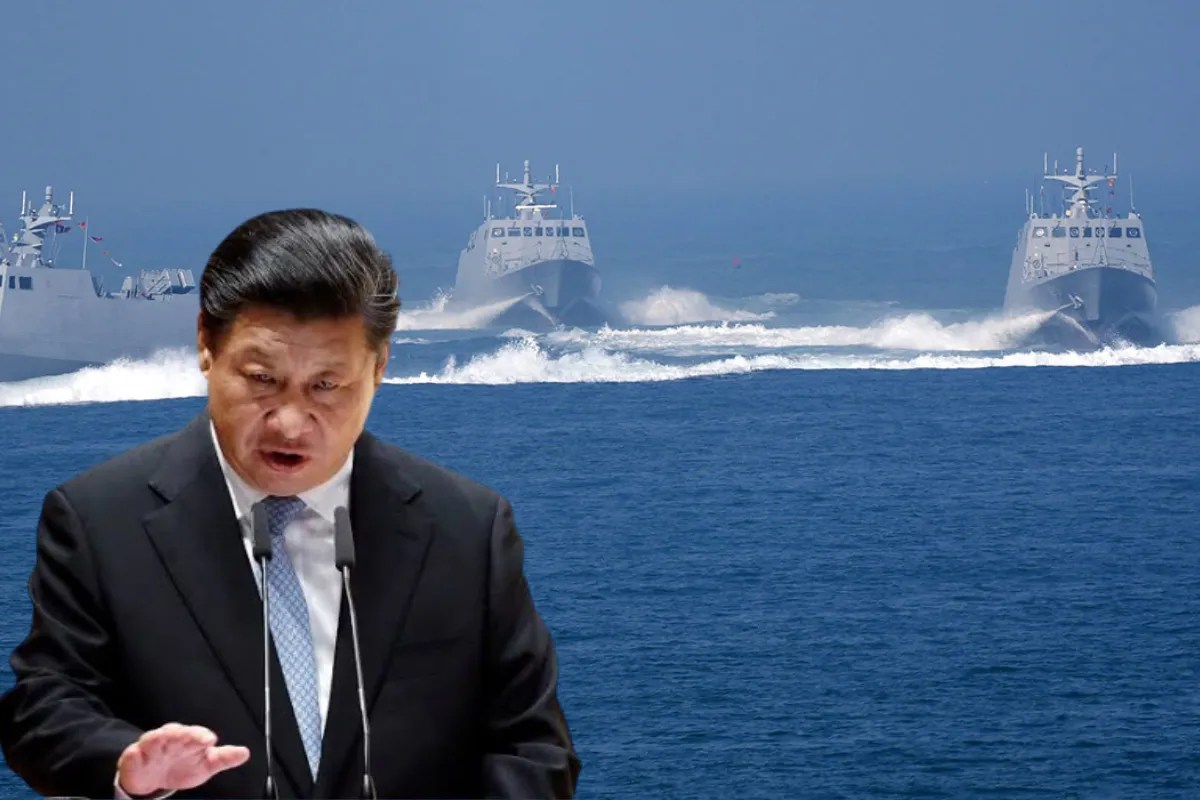
Donald Trump says he's close to deciding on a bigger military attack on Iran than anything the world has seen so far in this conflict. Speaking in an interview with Axios, the president made it clear that Washington is ready for a massive escalation. "I am considering a massive attack. Bigger than ever before. I am close to making a decision. We are all set for it," Trump stated.
That single declaration sent immediate shockwaves through global markets, pushing Brent crude oil right past $100 a barrel. It also sparked furious pushback on Capitol Hill, where lawmakers are scrambling to rein in executive war powers.
Understanding what's driving this sudden surge in military threats requires looking past the rhetoric. The reality on the ground involves spiraling oil prices, proxy attacks across critical shipping lanes, and an escalating military strategy that seems stuck in reverse.
The Trigger Behind Trump's Escalation Threat
The immediate catalyst for Trump's threat wasn't just a sudden shift in strategy. It came after Iranian-backed Houthi forces in Yemen fired missiles and drones at two Saudi oil tankers, the Encelia and the Layla, in the Red Sea. The Encelia caught fire, signaling that the conflict had spilled past the Strait of Hormuz into a second vital maritime chokepoint.
Trump took to Truth Social shortly after the strike, warning Tehran directly. He insisted the US will hold Iran responsible for any further Houthi strikes on commercial shipping, promising that "major military punishment" will fall on both Iran and its proxy forces.
The strategy behind these statements relies on maximum pressure. The White House believes Tehran hasn't felt enough pain to force them back to the negotiating table on Washington's terms. Trump acknowledged that Iranian officials want to talk, but he claimed they aren't willing to accept the proposed conditions yet. "They haven't received enough pain yet," he declared.
That mindset explains why the administration is weighing an operation even larger than Operation Epic Fury, the joint campaign launched earlier this year. Military options reportedly being considered include targeting deep underground centrifuge facilities like the Pickaxe mountain site, as well as critical civilian infrastructure like power plants and bridges.
Congressional Backlash and the War Powers Battle
While the White House prepares potential bombing targets, Congress is pushing in the opposite direction.
The House of Representatives passed a war powers resolution aimed at forcing the administration to withdraw US military forces from unauthorized hostilities against Iran. The vote ended 214-208, with four Republicans joining a unified Democratic front. Representative Pramila Jayapal emphasized during debate that the war lacks explicit congressional authorization and has already cost the lives of 18 American service members.
This marks the second time the House has approved such a measure in recent months. The Senate previously passed a similar rebuke, though a subsequent vote fell short by two votes in a 47-49 split.
Trump's team treats these congressional votes as largely symbolic. Executive branch lawyers maintain that war powers resolutions restricting presidential action are unconstitutional. However, the bipartisan friction reveals growing political vulnerability at home. With public opinion polls showing widespread opposition to an expanding war and midterm elections approaching, the administration faces a shrinking window to achieve its objectives.
Economic Consequences and the Energy Market Crunch
War threats don't stay contained in political speeches. They hit consumer wallets almost immediately.
The moment news broke that the US was preparing a massive strike, crude oil prices surged over 6% in a single trading session. Breaking the $100-per-barrel mark destabilizes global supply chains and threatens to trigger broader economic inflation.
Iran's military responses have consistently targeted commercial shipping and energy corridors. The Revolutionary Guard Corps (IRGC) claims control over the Strait of Hormuz, through which roughly twenty percent of the world's petroleum flows. When the US military tried to secure the passage, hostilities spread to the Bab el-Mandeb strait near Yemen.
If a new wave of air strikes destroys Iranian refineries or electrical grids, Tehran has made clear it will respond in kind. State media warned of an "eye for an eye" policy, suggesting retaliatory strikes against Gulf infrastructure and US bases in neighboring nations.
The Regional Coalition Factor
Trump noted that Israel "would join in two minutes if I ask them to," while maintaining that American military capabilities are self-sufficient. "We don't need anybody," he remarked.
Yet involving coalition partners creates complex complications. Trump admitted that formal Israeli participation carries direct consequences, namely inviting heavy Iranian ballistic missile barrages against Israeli cities like Arad and Dimona.
Simultaneously, diplomatic maneuvers in the region remain fragile. The White House recently tied a proposed nuclear deal with Saudi Arabia to Riyadh normalizing ties with Israel under the Abraham Accords. Press Secretary Karoline Leavitt confirmed that if Saudi Arabia doesn't sign on, the nuclear agreement is off.
At the same time, the IRGC warned Britain against allowing US heavy bombers to operate from British military bases. Iranian commanders threatened that any country permitting its facilities to support strikes against Tehran will face direct military consequences.
Breaking Down the Escalate to De-escalate Strategy
Military strategists often refer to this cycle as an escalation trap. When limited air strikes fail to compel an adversary to yield, commanders face a tough choice: accept a stalemate or double down with heavier firepower.
The administration believes that stepping up the severity of strikes will force Iranian leadership to fold. But history shows that national leadership under attack often digs in deeper to avoid appearing weak to domestic audiences.
Instead of forcing a quick diplomatic exit, heavier strikes usually trigger asymmetric responses. When conventional military targets get hit, regional proxies launch additional drone attacks on foreign tankers, commercial ports, and distant airbases.
Strategic Realities You Need to Track
Watching how this situation unfolds requires paying attention to key technical indicators rather than political rhetoric.
First, keep an eye on Pentagon deployment announcements. An actual shift toward major combat operations requires moving heavy strategic bombers, carrier strike groups, and aerial refueling tankers into position. Pay attention to operational deployments out of Al Udeid Air Base in Qatar and Diego Garcia.
Second, monitor energy market fluctuations and shipping insurance rates. When maritime insurers raise risk premiums on Red Sea and Persian Gulf transits, global cargo ships reroute around Africa. That adds two weeks to transit times and drives up consumer goods prices worldwide.
Finally, track congressional funding votes. While war powers resolutions face veto threats, Congress holds the power of the purse. If the Senate refuses to pass pending defense appropriations or attaches strict operational limits to military funding bills, the White House faces real operational limits on how long high-intensity campaigns can continue.