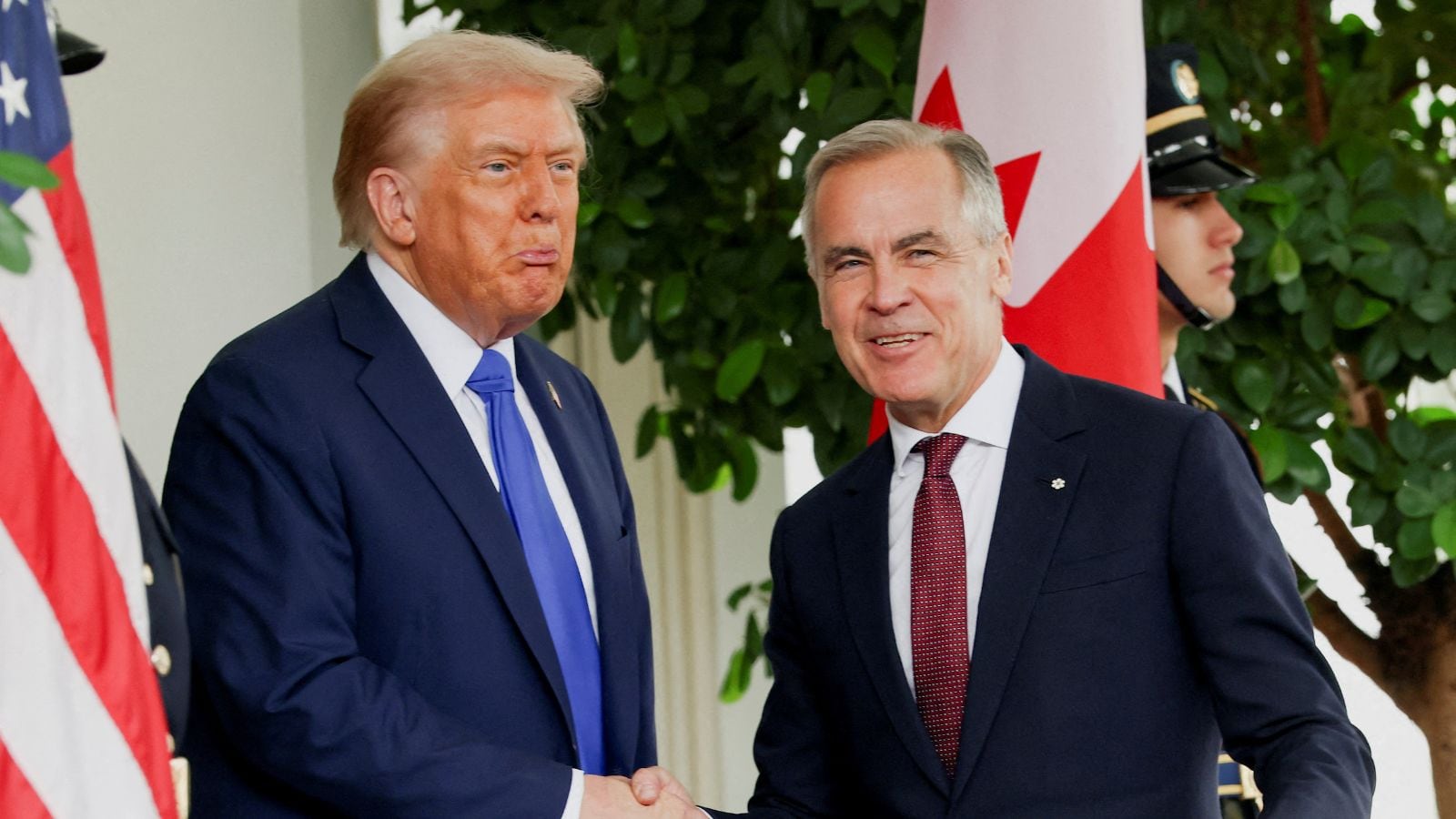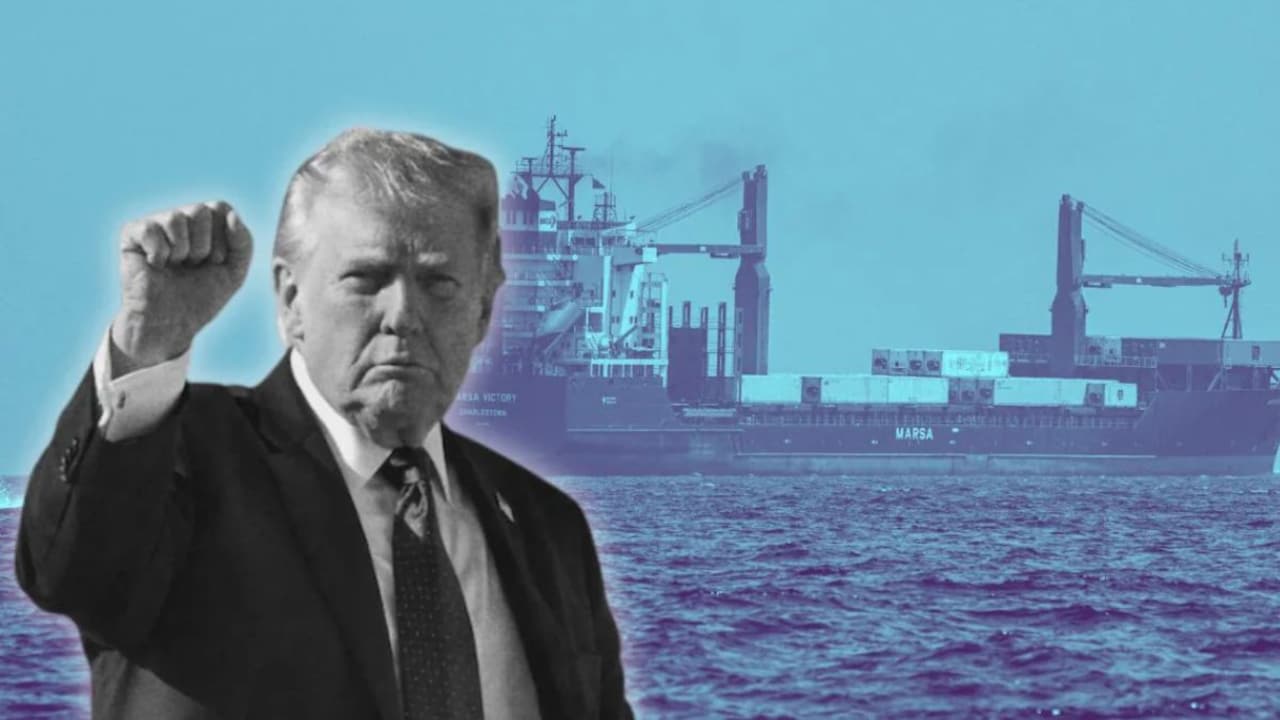
Donald Trump just declared an economic war on anyone doing business with Tehran, and global trade corridors are bracing for the impact. If you think this is just standard Washington posturing, you're missing how quickly secondary penalties can upend supply chains.
The White House dropped a heavy hammer by threatening crushing tariffs and severe penalties on any nation keeping commercial ties alive with the Iranian government. For New Delhi, this creates an immediate headache. India has maintained steady, albeit cautious, commercial ties with Iran for decades, leaning on specific bilateral shipments ranging from agricultural goods to critical pharmaceuticals. Now, exporters are caught right in the middle of escalating geopolitical crosshairs. Meanwhile, you can explore other developments here: Why Hongkong Post is stuck in a financial identity crisis.
The Reality of India-Iran Trade Lines
Bilateral commerce between New Delhi and Tehran isn't massive compared to India's trade with the United States or China, but it occupies vital niches. Indian merchants rely on this corridor to ship substantial quantities of basmati rice, tea, sugar, and specialized medicines. In return, India brings in specific dry fruits and chemical compounds.
When Washington threatens a blanket penalty or secondary duties on entities keeping financial lifelines open to Iran, compliance departments go into emergency mode. Shippers don't want to risk losing access to the lucrative American consumer market over a niche export route. To understand the bigger picture, check out the excellent report by The Economist.
It's not just abstract policy either. The U.S. Treasury has previously targeted shipping networks and individuals—including Indian nationals—accused of helping move petroleum and liquefied petroleum gas out of Iran. When secondary enforcement gets this personal, banks pull back instantly. Letters of credit for legal agricultural exports to Iran suddenly become nearly impossible to clear because risk-averse financial institutions refuse to touch anything remotely associated with the jurisdiction.
The Double Whammy of Existing Tariffs
New Delhi is already feeling immense pressure from Washington's trade playbook. Trump previously slapped steep tariffs on Indian goods as a punitive measure over separate energy purchases involving Russia. Adding potential blowback over Iranian commerce means Indian exporters are navigating a hostile tariff landscape on multiple fronts.
When your profit margins are already squeezed by a 50% duty on major shipments to the U.S. market, absorbing another shock from Middle Eastern entanglement is simply not viable. Exporters shipping rice or pharma products to Tehran have to weigh whether that market is even worth the collateral damage to their broader global business. Most will choose self-preservation and cut ties.
What Happens Next on the Ground
History shows that New Delhi adapts quickly when Washington tightens the screws. Past sanctions rounds forced Indian refiners to zero out Iranian oil imports entirely, proving that commercial pragmatism usually wins out over historic diplomatic ties.
If these latest threats materialize into hard enforcement, expect Indian agricultural exporters to pivot rapidly. Basmati millers will scramble for alternative buyers in the Middle East—such as Saudi Arabia or the UAE—to make up for lost volume in Iran. Pharmaceutical firms will likely reroute compliance checks to ensure zero overlap with restricted entities.
The writing is on the wall. Relying on secondary trade corridors while trying to maintain smooth access to Western markets is a game of Russian roulette. Indian businesses are already updating their risk models, and the smart money is getting out of Tehran before the penalties hit home.