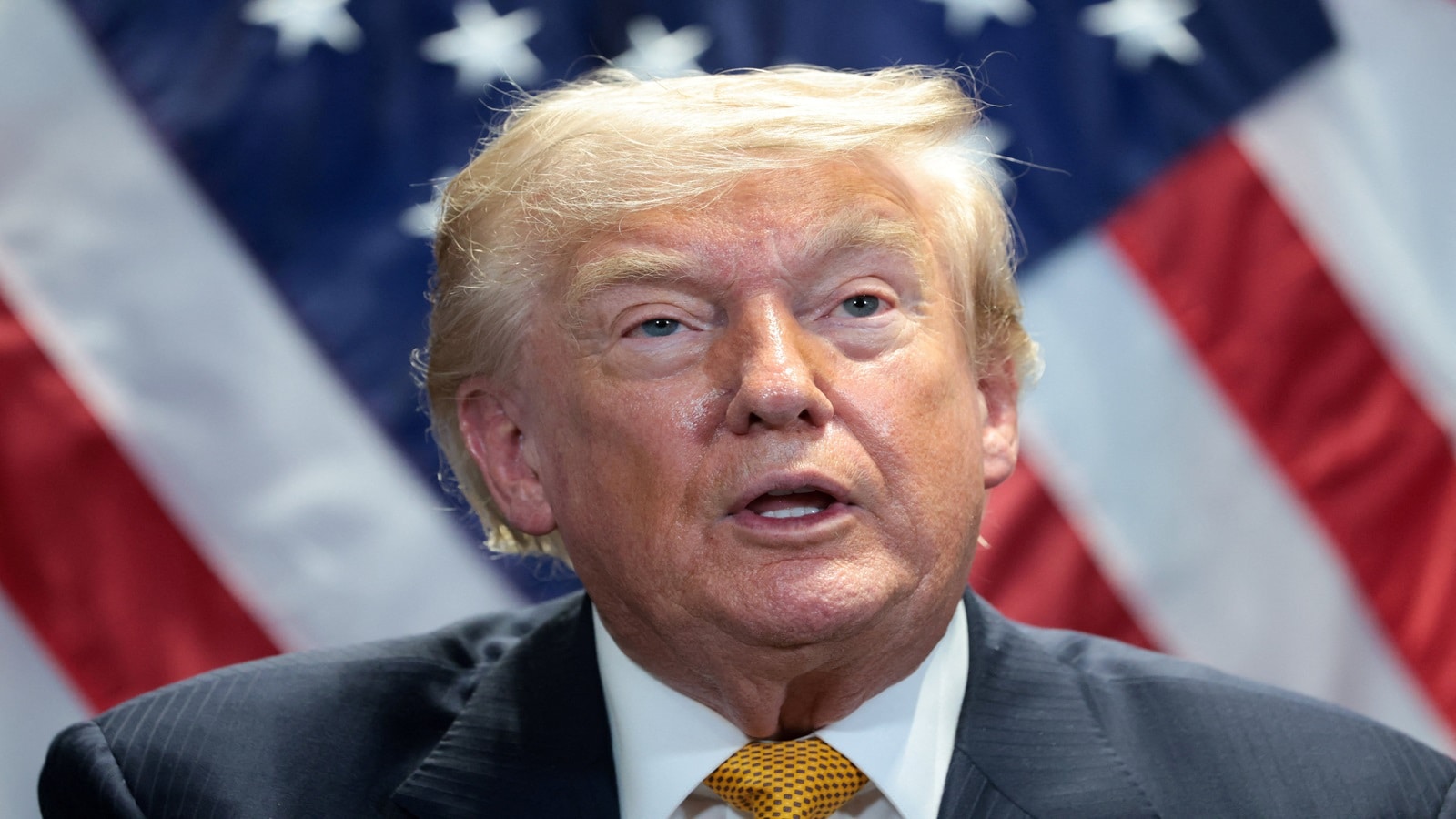
The conflict between Washington and Tehran just took a sharp, unpredictable turn. President Donald Trump announced that the United States military will bomb and destroy one Iranian bridge or power plant for every single ship Tehran attacks in the Strait of Hormuz.
That is not just rhetoric. It marks a direct strategy of tit-for-tat escalation aimed at civil and industrial assets inside Iran.
Strait of Hormuz Attack ➔ U.S. Destroys 1 Bridge or Power Plant in Iran
If you're wondering why oil prices spiked toward $95 a barrel almost instantly, this is why. The Strait of Hormuz carries roughly a fifth of the world's petroleum supply. Commercial shippers aren't chancing it. Maritime traffic through the waterway has plummeted to multi-week lows, even as U.S. Central Command insists the maritime corridor remains open.
Here is what is actually going on behind the headlines, what it means for global energy markets, and why this strategy carries massive risks for everyone involved.
What Trump Actually Announced on Hormuz Attacks
Trump made his position explicit across social media platforms following an 11th consecutive night of American strikes on Iranian positions. He stated directly that any time Iran targets a vessel in the strait—using missiles, rockets, drones, or any other device—the U.S. will retaliate by taking out a specific piece of Iranian infrastructure.
He didn't limit those potential targets to remote coastal outposts either. He specifically included dual-use infrastructure and power facilities in or around Tehran.
This isn't the first time Trump floated targeting non-military infrastructure, but tying it explicitly to a one-to-one rule changes the operational math. Pentagon Chief Pete Hegseth recently noted that operations in the theater have already cost Washington over $37.5 billion. By threatening critical civil infrastructure, the administration hopes to force Iran's hand without engaging in a long, drawn-out ground campaign.
Iran responded almost immediately. Teheran's state-linked Tasnim news agency cited military commanders warning that if American forces strike domestic bridges or power grids, Iran will retaliate against energy targets and infrastructure across the entire Gulf region where U.S. interests lie.
Why the Strait of Hormuz is the Main Flashpoint
To understand why this retaliatory policy emerged, you have to look at the maritime choke point itself.
The Strait of Hormuz sits between Oman and Iran, connecting the Persian Gulf with the Gulf of Oman and the Arabian Sea. At its narrowest point, the shipping channel is only 21 miles wide. That narrowness makes commercial crude tankers exceptionally vulnerable to land-based anti-ship missiles, fast attack craft, and loitering munitions.
Over 30 commercial vessels have faced attack or harassment during the recent standoff. Insurance premiums for maritime transit through the Gulf have skyrocketed. Major ocean carriers are actively rerouting tankers around Africa or holding vessels at anchor, creating immediate supply chain bottlenecks for crude oil and liquefied natural gas.
When global energy supply routes choke up, consumer prices react immediately. Gas stations across North America and Europe feel the pinch within days. With upcoming political cycles and midterm elections drawing near, energy inflation creates huge domestic pressure on Washington.
The Broader Economic Impact Beyond Oil
The economic ripples extend far beyond gasoline pump prices.
- Maritime Insurance Rates: Insurers have declared parts of the Persian Gulf a high-risk zone, multiplying coverage costs for vessel owners tenfold overnight.
- Fertilizer and Petrochemicals: The Middle East produces a massive fraction of global urea and chemical feedstocks. Disruptions in the strait threaten global agricultural supply chains.
- Regional Budget Deficits: Iraq recently reported losing over $40 billion in revenues since the escalation began, as filled storage tanks forced crude production cuts across key fields.
The regional economic strain isn't isolated to Iran or Iraq either. Gulf economies that rely on predictable maritime traffic face compounding operational costs every week the standoff continues.
Legal and Operational Risks of Striking Civil Infrastructure
Military analysts and legal experts have raised immediate concerns regarding threats aimed at civil infrastructure.
Under international humanitarian law, infrastructure like power plants and municipal bridges are generally classified as civilian objects unless they make an effective contribution to military action. Striking facilities that supply electricity to civilian populations risks severe humanitarian fallout, including disruption to hospitals, water treatment centers, and urban refrigeration.
From a tactical perspective, tit-for-tat targeting can easily spiral out of control. When a military commits to a deterministic strategy—striking one domestic asset for every maritime incident—it surrenders operational flexibility. Iran can choose precisely when and where to trigger a U.S. strike, potentially luring forces into heavily defended air spaces or forcing responses at times that don't suit strategic priorities.
Simultaneously, Tehran's regional proxies are expanding the threat matrix. Houthi forces in Yemen have renewed threats around the Bab el-Mandeb Strait, opening up the prospect of a simultaneous crisis in the Red Sea.
Concrete Steps to Take If Energy Prices Keep Escalating
Global geopolitical shocks often feel distant until you look at your utility bills, investment portfolios, or fuel costs. If you want to insulate your household or business from ongoing volatility in Middle Eastern energy corridors, consider taking these practical steps right now.
- Audit Your Fuel Costs: Track your monthly energy consumption. Small adjustments to fleet logistics, daily commutes, or home heating and cooling can offset sudden spikes in oil prices.
- Review Energy Exposure in Investment Portfolios: Volatility in crude markets directly affects broad market indices, aviation stocks, and logistics companies. Diversify away from over-concentrated transport sectors if prolonged supply disruptions occur.
- Lock In Fixed Energy Contracts: If you operate a business with high electricity or fuel demands, evaluate fixed-rate supply agreements to guard against sudden price spikes caused by international turmoil.
- Monitor Official Maritime Advisories: If you work in logistics, shipping, or global trade, follow updates from CENTCOM and the Joint Maritime Information Center daily rather than relying solely on social media headlines.


