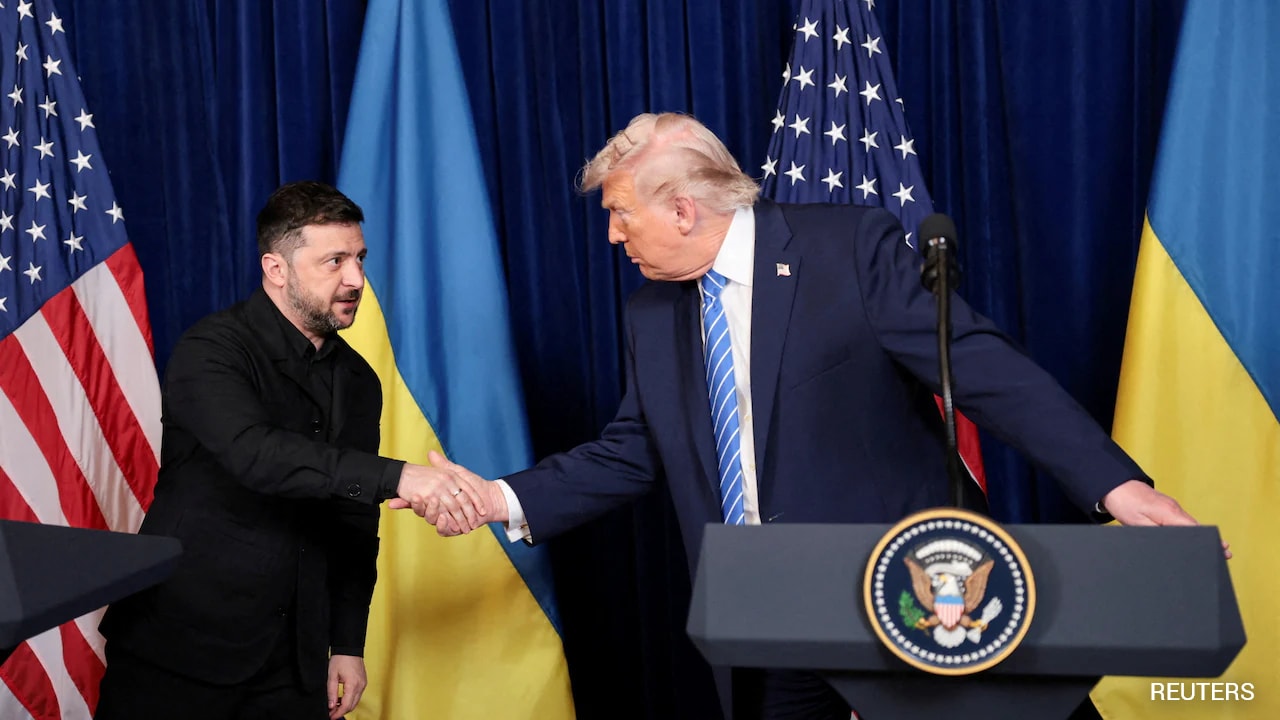
Donald Trump says a resolution to the four-year-old war in Ukraine is much closer than anyone realizes. He sat in the Oval Office on Monday, July 6, 2026, and dropped that claim on reporters like it was an absolute certainty. He claims both Russian President Vladimir Putin and Ukrainian President Volodymyr Zelenskyy want the fighting to stop right now. It sounds great on television. It looks fantastic in a headline. But if you look at what is actually happening on the ground, the reality is messy, dangerous, and completely disconnected from Washington rhetoric.
The American president spent his Fourth of July weekend on the phone. He held separate marathon calls with Moscow and Kyiv, trying to position himself as the ultimate dealmaker. First came an 85-minute conversation with Putin. Then came a follow-up session with Zelenskyy. Trump left those calls convinced that his personal diplomacy is about to wrap up the largest European conflict since World War II. He is taking this optimism directly to the NATO summit in Ankara, Turkey, this week. He thinks he can force a breakthrough.
Is a peace deal actually close, or are we watching another round of political theater designed for the upcoming U.S. midterm elections? Let's look at what went down during those secret phone calls and what it means for the front lines.
The Secret Holiday Calls
Trump loves a grand gesture, and choosing U.S. Independence Day to call Vladimir Putin fits his style perfectly. The Kremlin confirmed the call lasted nearly an hour and a half. According to Russian foreign policy aide Yuri Ushakov, Trump reiterated his absolute readiness to facilitate a swift end to the hostilities. Putin used the time to give Trump a detailed briefing on the battlefield situation from Russia's perspective, claiming Russian forces are steadily taking territory in the Donbas.
Hours later, Trump dialed Kyiv. Zelenskyy publically called the conversation very good and noted that American resolve has a crucial meaning. Behind the polite diplomatic statements, both sides are playing a high-stakes game of leverage. Trump wants a quick win to show American voters he can solve global crises. Putin wants to lock in Russia's territorial gains before his economy takes more damage. Zelenskyy wants to ensure Washington doesn't cut off weapons and leave Ukraine defenseless.
The Oil Refinery Factor
Something has changed in how Trump talks about this war. He didn't repeat his usual talking point about Ukraine lacking the cards to negotiate. Zelenskyy noticed the shift. In an interview with the Financial Times, the Ukrainian president hinted that Trump is starting to view the conflict in a new light.
Why the sudden shift? It comes down to economic pain. Ukraine has spent the last few months executing a massive, relentless long-range drone campaign targeting the Russian oil industry. They aren't just hitting military depots anymore. They are systematically striking refineries deep inside Russian territory, triggering real fuel shortages inside Russia and driving up costs.
Trump reportedly told Zelenskyy that Ukraine is doing very well with these strikes. Zelenskyy knows how the American president thinks. Trump wants to be associated with success. If Ukraine can show they can inflict serious economic pain on Moscow, Trump views them as a winner he can work with, rather than a lost cause asking for endless financial aid.
What Moscow and Kyiv Really Want
Don't let the optimistic talk fool you. The gap between what Russia demands and what Ukraine will accept remains a massive canyon. Trump says both leaders want it to end, but they want it to end on completely incompatible terms.
Putin outlined his baseline demands clearly. Russia wants full control over the Donbas region and all provinces it has claimed, even the areas its military doesn't currently occupy. Putin also demands that Ukraine officially abandon its ambitions to join NATO and that Western nations lift all economic sanctions. To Moscow, a resolution means a total Ukrainian capitulation.
Zelenskyy cannot accept those terms without causing a domestic political crisis. Ukraine is pushing for an unconditional ceasefire, but they refuse to sign away 22% of their country to a permanent Russian occupation. Zelenskyy has repeatedly stated that freezing the front lines right now creates a dangerous trap that simply allows Russia to rebuild its military and attack again in a few years.
The Stalled Front Lines and Urgent Diplomacy
A senior U.S. official recently admitted that the 1,200-kilometer battlefield has essentially frozen over the last few months. Neither side is making massive breakthroughs. The war has turned into a brutal war of attrition, grinding down troops and consuming ammunition at an unsustainable rate.
This frozen reality is exactly why Trump feels a sense of urgency. He is scheduled to meet Zelenskyy face-to-face on Wednesday, July 8, on the sidelines of the NATO summit in Ankara. U.S. officials say this meeting will be a renewed push to lay down concrete terms for a ceasefire. Trump intends to use his envoys, Steve Witkoff and Jared Kushner, to keep the channels open with Moscow, even suggesting they are ready to fly to Russia at a moment's notice.
Washington has been distracted lately. Geopolitical attention shifted heavily toward the ongoing crisis with Iran, which slowed down the momentum on European diplomacy. Now, Trump is trying to pivot back to Ukraine to secure a legacy-defining victory before the year ends.
The NATO Showdown in Turkey
When Trump arrives at the summit in Ankara, he isn't just going to talk about peace. He is going to demand that European nations step up. The administration's message is simple: Europe must shoulder a much greater share of its own defense burden. Trump has been vocal about wanting to reduce the U.S. military footprint on the continent, and he will deliver that message to NATO allies in person.
European leaders are nervous. They are worried that Trump might try to force a peace deal that sacrifices Ukrainian territory in exchange for a quick exit. While European Commission President Ursula von der Leyen has expressed optimism that the tide is turning for Ukraine due to new financial and drone aid packages, they lack the massive military production capacity to replace U.S. support if Trump decides to pull the plug.
Your Next Steps for Tracking This Crisis
This situation is moving fast, and the next forty-eight hours in Ankara will dictate the direction of the war for the rest of 2026. If you want to understand what is actually happening behind the headlines, ignore the vague political statements and watch these three specific indicators.
First, look closely at the joint statement issued after Trump and Zelenskyy meet on Wednesday. Look for any mention of territorial compromises or security guarantees. If Ukraine stops mentioning its insistence on the pre-2022 borders, it means Washington is successfully pressuring them to make concessions.
Second, monitor the Russian energy sector. If Ukraine's drone strikes continue to knock out Russian oil infrastructure, Putin's willingness to talk will increase. Economic pressure inside Russia is the only thing that will force the Kremlin to moderate its maximalist demands.
Third, watch the European response at the NATO summit. Pay attention to whether France, Germany, and the UK offer concrete security guarantees to Ukraine if a ceasefire is declared. A peace deal without international enforcers on the ground is just a temporary pause before the next invasion. Keep your eyes on the actual metrics, not the political spin coming out of the Oval Office.