Donald Trump says one thing. Tehran says another. It's the classic geopolitical guessing game, and right now, it's threatening to blow up a fragile ceasefire in West Asia.
On Monday, Trump bluntly announced that Iran requested a high-level meeting in Doha, Qatar, to sort out implementation issues over their recent peace deal. White House officials even named the heavy hitters hopping on a plane: Special Envoy Steve Witkoff and Jared Kushner. They're heading to Qatar for high-stakes diplomacy, with working groups supposed to handle technical talks on the sidelines.
But if you ask Iran, none of this is happening.
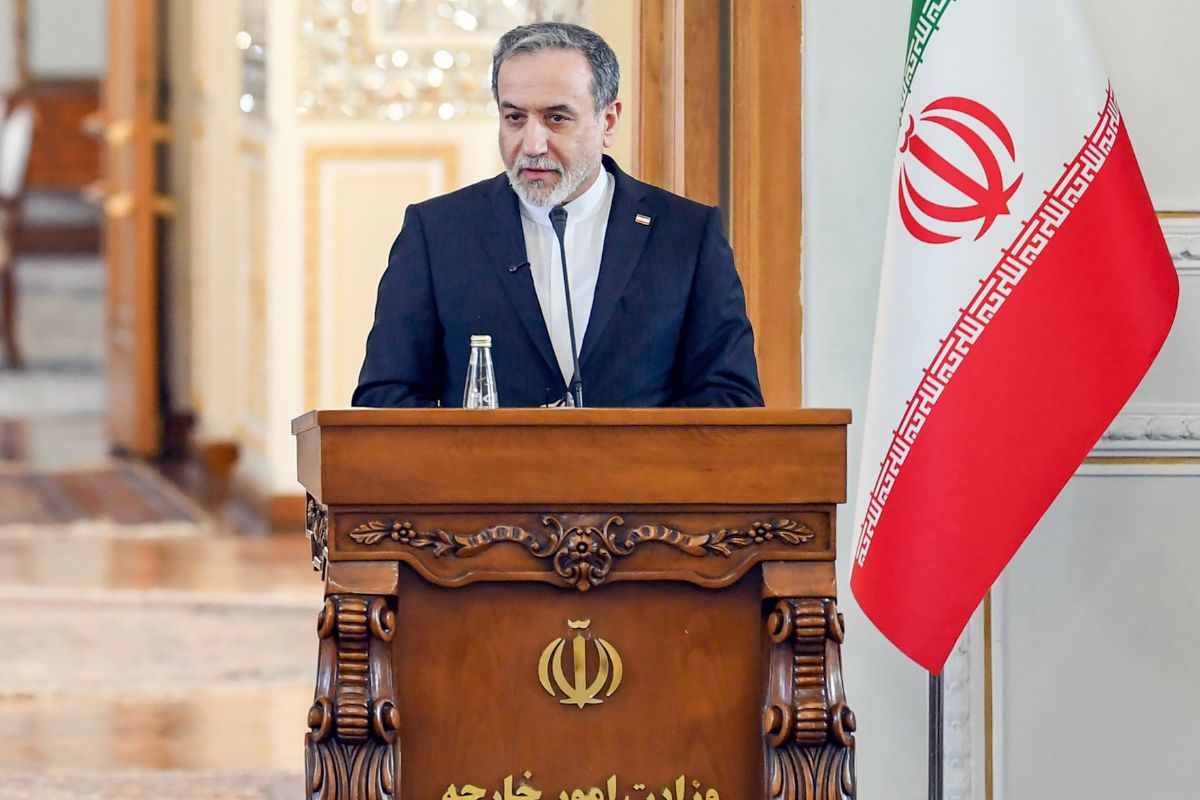
Iranian Deputy Foreign Minister Kazem Gharibabadi went on state television and completely shot down the narrative. He stated that no technical meetings of the working groups are planned for this week. Iranian Foreign Ministry spokesperson Esmaeil Baqaei doubled down, saying Tehran won't have negotiation meetings with the U.S. side at any level in the coming days.
So who's lying, and why is this public disagreement happening right now?
The Mixed Signals and Posturing
Diplomacy between these two historic adversaries is never straightforward. Iran acknowledges it's sending an expert delegation to Doha this week. However, they insist this trip is strictly to consult with Qatari officials about the 14-point Memorandum of Understanding (MoU) signed on June 17, which paused four months of heavy fighting. They claim this visit has absolutely nothing to do with meeting American officials.
It's a classic case of saving face. Iran's leadership faces immense domestic pressure from hardliners who view any direct sit-down with Washington as a sign of weakness. By framing the Doha trip as a meeting with Qatari mediators rather than a direct U.S. negotiation, Tehran protects its political flank at home.
Trump, meanwhile, wants the ultimate diplomatic win. Announcing that Iran came begging for a meeting plays perfectly into his narrative of maximum strength.
Why the June Ceasefire is Crumbling
To understand why this technical meeting matters, you have to look at what happened over the weekend. The interim deal was supposed to stop the fighting, reopen the strategic Strait of Hormuz, and give both sides 60 days to hammer out a permanent treaty. Part of the deal required Iran to dilute its enriched uranium stockpile in exchange for partial sanctions relief.
Instead, we're seeing fresh cracks in the foundation:
- Strait of Hormuz Clashes: Over the weekend, both sides traded military fire in the Persian Gulf. Commercial vessels were targeted, prompting retaliatory U.S. airstrikes.
- The $6 Billion Disconnect: Iranian President Masoud Pezeshkian claimed on Monday that an agreement was reached to release $6 billion out of $12 billion in frozen Iranian assets currently held in Qatar. Yet, U.S. officials maintain that no frozen funds have actually been released yet.
- Security Annex Violations: Iran accuses the U.S. military of breaking its promises under the security annex, using these recent Gulf strikes as a primary reason to back away from formal technical panels this week.
White House Press Secretary Karoline Leavitt made Washington’s stance clear, warning that violence will be met with violence, even as the administration tries to keep the peace process alive.
What Actually Happens Next
Don't expect a formal, televised handshake in Doha this week. Tehran has boxed itself into a corner where it cannot be seen sitting across a table from Kushner or Witkoff without looking like it caved under pressure.
Instead, look for backchannel diplomacy. Qatari and Pakistani mediators will likely spend the week running between different hotel conference rooms in Doha, playing a high-stakes game of telephone to keep the June 17 agreement from completely collapsing.
If you want to see if peace has a chance, ignore the public denials from Tehran and the loud announcements from Washington. Watch the shipping lanes in the Strait of Hormuz. If the drone and missile attacks stop over the next 48 hours, the indirect talks in Qatar are working. If the shooting continues, that 14-point peace deal is officially dead.
For a closer look at how these diplomatic breakdowns play out on the ground, you can check this analysis on the Iran US Technical Negotiations Crisis, which breaks down the immediate fallout of Tehran's refusal to attend the scheduled working groups after the latest military strikes.