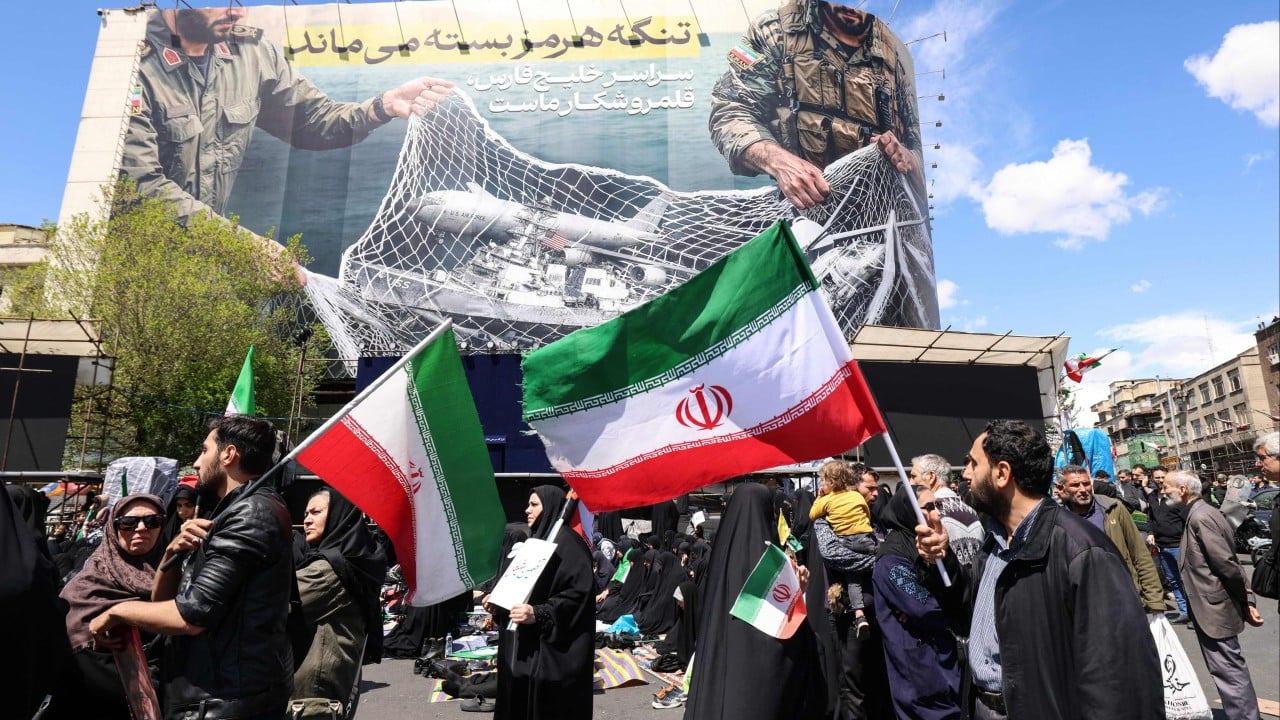
The dust hasn't even settled from the massive strikes on Iran, yet Donald Trump is already calling it a "big day for world peace." Don't buy the spin. Yesterday, the White House announced a two-week ceasefire with Tehran, and while any pause in the killing is a relief, this isn't a victory. It's a retreat. After weeks of threatening to wipe a "whole civilization" off the map, Trump didn't get a surrender. He got a 14-day timeout based almost entirely on Iran's own terms.
If you're looking for the moment the "Maximum Pressure" era officially broke, this is it. By agreeing to negotiate using Iran’s 10-point plan as a "workable basis," the U.S. essentially admitted that its attempts at regime change have hit a brick wall.
The 10 Point Reality Check
Let’s look at what’s actually on the table. Trump's team is spinning this as a win because the Strait of Hormuz will technically reopen for two weeks. But look at the fine print. Iran remains in control of the waterway. They’ll continue collecting transit fees alongside Oman. More importantly, the negotiations are now anchored by a list of Iranian demands that would have been unthinkable for a Republican administration just six months ago.
Iran’s 10-point framework isn't a compromise; it’s a list of requirements for U.S. capitulation. It includes:
- A total end to all primary and secondary sanctions.
- Compensation payments for war damage (yes, the U.S. paying Iran).
- Recognition of Iran's right to enrich uranium.
- The withdrawal of U.S. combat forces from the region.
Trump didn't just walk into a room to talk; he walked into a room where the opponent set the menu, the seating chart, and the price of the meal.
Why the Military Strategy Backfired
The February 2026 strikes were supposed to be the "decapitation" move that finally brought the Islamic Republic to its knees. The U.S. and Israel targeted nuclear sites and leadership, even assassinating key figures. But the Iranian government didn't collapse. Instead, the strikes triggered a nationalist surge that made the regime more popular than it's been in years.
While the U.S. was busy patting itself on the back for hitting targets, Iran was busy hitting back. Their retaliatory strikes on U.S. bases in the Persian Gulf and energy infrastructure in the Arab Gulf states were far more effective than the Pentagon expected. We’re now looking at the gravest energy crisis of the modern era. When the price of oil goes through the roof and fertilizer shortages start killing crop yields in 2027, nobody’s going to remember Trump’s "mission accomplished" tweets.
The Israel Factor
You can't talk about this failure without talking about Benjamin Netanyahu. The war was largely sold on the premise of Israeli intelligence claiming the Iranian military was an "enervated" shell. That assessment was wrong.
Israel’s invasion of Lebanon has also stalled. Hezbollah proved far more resilient than the IDF anticipated, and now the U.S. is tied to a conflict that has no clear exit strategy. By launching these attacks against the advice of his own intelligence community and without consulting European allies, Trump isolated America. Now, he’s forced to accept a ceasefire mediated by Pakistan because his traditional partners are tired of the instability.
A Fragile Peace Built on Sand
Vice President JD Vance called the pause "fragile," and he’s right. There’s zero trust here. Trump is still using genocidal rhetoric on Truth Social while his diplomats try to play nice in Islamabad. It’s a total lack of coherent strategy.
Critics like Representative Alexandria Ocasio-Cortez have pointed out that this war was launched without Congressional authorization, making it a blatant violation of the Constitution. But even if you don't care about the legalities, you should care about the results. The U.S. spent billions, risked a global depression, and ended up exactly where it started—only with a more determined enemy and a tarnished global reputation.
What Happens on April 10
Direct talks are set to begin in Islamabad on Friday. If you want to see if this is a real deal or just a stalling tactic, watch the Strait of Hormuz. If Iran maintains the "transit fee" model and continues to dictate who passes, then Trump has officially handed them the keys to the global economy.
Keep an eye on the "compensation" clause in the 10-point plan. If the U.S. agrees to pay for the infrastructure it just finished bombing, it'll be the ultimate admission that the 2026 Iran war was a trillion-dollar mistake. For now, the bombs have stopped falling, but the bill is just starting to arrive.