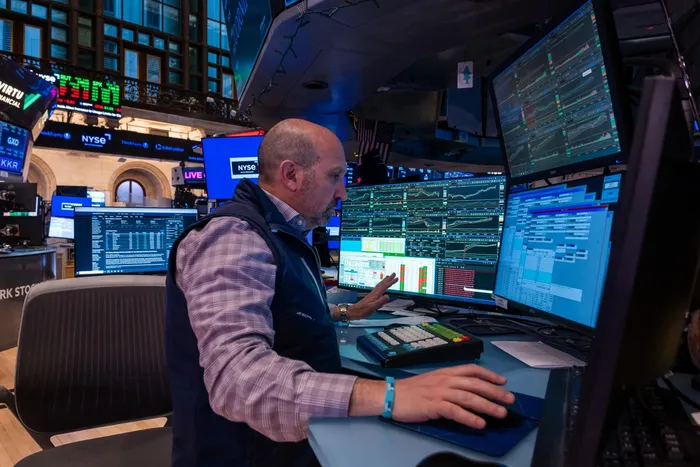
Donald Trump doesn't see the world through a traditional military lens. He sees it as a giant, high-stakes balance sheet. If you're looking for troop deployments, you're looking at the wrong map. The real front lines in 2026 aren't in trenches—they're in the green and red candles of the S&P 500.
Investors keep waiting for a "pivot" to normalcy, but the truth is simpler: the market is the mission. For Trump, a record-breaking Dow is more than just an economic indicator. It's his primary metric of victory. It's the scoreboard. And right now, every policy choice—from the "Liberation Day" tariffs to the sudden strikes in Iran—is designed to force the world's capital to flow exactly where he wants it.
The Market as a Weapon of Choice
Traditional presidents try to insulate the stock market from their foreign policy. Trump does the opposite. He uses market volatility as a feature, not a bug. By keeping traders on edge with 15% across-the-board global tariffs under Section 122 of the 1974 Trade Act, he creates a climate of "strategic unpredictability."
You've probably heard the acronyms floating around Wall Street. Some traders use TACO (Trump Always Chickens Out), betting that he'll back off his wildest threats to save the market. Others have switched to TATA (Trump Always Tries Again), realizing that even when the Supreme Court strikes down his use of the International Emergency Economic Powers Act (IEEPA), he'll just find a different legal backdoor to keep the pressure on.
The strategy is clear: cause a dip, negotiate a "historic" deal, and then take credit for the subsequent rally. It’s a boom-bust cycle managed by tweet and executive order. We saw it in February 2026. The market panicked over the Strait of Hormuz closing, but the moment Trump signaled an "off-ramp," the Dow jumped 400 points. He isn't fighting a war against the markets; he's directing a war through them.
The Middle East Gamble and Energy Dominance
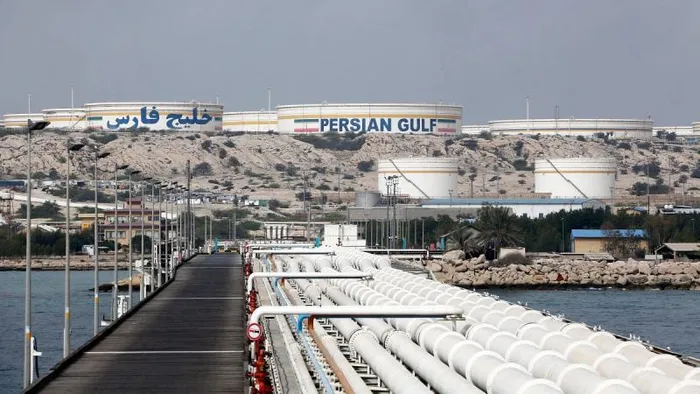
The recent strikes on Iran weren't just about regional security. They were a direct attempt to reset the global energy price floor. "Drill, baby, drill" was the 2024 campaign slogan, but the 2026 reality is "Control the Pump."
Critics like Ed Kilgore argue that Trump has abandoned his affordability agenda by risking a regional war that spiked oil to $119 a barrel. But look closer at the intent. By creating an energy crisis, the administration forces a transition toward domestic self-sufficiency. It's a brutal way to encourage US manufacturing, but Trump’s team believes the short-term pain at the pump is worth the long-term shift in the global supply chain.
- Energy Sovereignty: High oil prices make expensive US shale projects profitable again.
- Strategic Leverage: Controlling global energy flows gives the US more "deal-making" power with Europe and China than any carrier group ever could.
- Voter Sentiment: Gas prices are the ultimate inflation indicator for regular people. Trump knows this. If prices stay high into the midterms, his "scoreboard" breaks.
Why Investors are Misreading the Loyalty Scorecard
The most significant change in 2026 isn't the tariffs—it's the "loyalty scorecard." The administration is reportedly tracking over 500 American companies based on their support for White House initiatives. This isn't just politics; it's a new form of state capitalism.
If you're a CEO, your stock price now depends on your relationship with the West Wing. Look at NVIDIA and AMD. They reportedly agreed to give the government a 15% cut of overseas chip sales to China. Some call it a "shakedown," but the market saw it as the cost of doing business in a protectionist era. Shares in those companies didn't tank; they actually stabilized because the uncertainty was gone.
The Midterm Election Risk
History says the S&P 500 drops an average of 19% during midterm years. We're currently sitting in that 50-50 window where things could get ugly. Investors are nervous about whether the GOP will keep enough seats to continue this high-octane deregulation and tariff-swapping.
If the "war with the markets" is going to fail, it’ll happen here. The Federal Reserve is still struggling to hit that 2% inflation target, and if the 15% global tariff starts hitting consumer wallets too hard, the "animal spirits" that fueled the 2025 rebound will evaporate.
Don't wait for a ceasefire in the trade war. It's not coming. Instead, watch the bond yields. The 10-year Treasury has been hovering around 4.1%, signaling that while growth is still there, the "easy money" days are over.
What You Should Do Now
Stop looking at the news and start looking at corporate earnings. Companies that can pass tariff costs to consumers are the ones that will survive the next "Liberation Day" announcement. If you're heavy on imports with thin margins, you're in the crosshairs. Diversify geographically, keep your cash levels higher than usual, and remember: the market isn't reacting to the president; it's being choreographed by him.