Donald Trump just pulled the rug out from under Pentagon planners. On Sunday, he ordered Defense Secretary Pete Hegseth to substantially reduce upcoming joint military exercises with South Korea. Why? He pointed straight to his supposedly great relationship with North Korean leader Kim Jong Un.
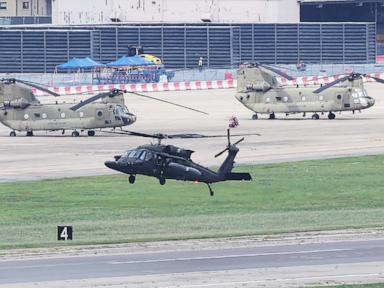
The timing couldn't be sharper. The annual Ulchi Freedom Shield exercises, involving some 18,000 South Korean troops alongside American personnel, were set to kick off immediately. Trump admitted it was too late to completely pull the plug on the 11-day drills, but his directive means the scale will shrink dramatically.
If you think this decision came out of a vacuum, look closer at Washington's broader frustrations. Trump didn't just mention Pyongyang. He also aired grievances about Seoul declining to back US efforts regarding the denuclearization of Iran. While he labeled that diplomatic snub as "somewhat unrelated," he tossed it into the exact same statement.
For years, Washington and Seoul have relied on these large-scale war games to maintain a defensive posture against North Korea. Pyongyang predictably loses its mind every single August, calling the maneuvers a rehearsal for an aggressive war. This time around, North Korea issued its standard fiery warnings just days before Trump's announcement.
Trump sees things differently. He argued on social media that the exercises drain American wallets and send a hostile message to a regime that has stayed quiet and respectful during his presidency. It is a playbook we saw back in his first term. After his landmark 2018 summit in Singapore with Kim Jong Un, he shocked his own military advisers by temporarily halting major joint drills.
Regional security experts are already sounding alarms. Downsizing these readiness operations weakens combined deterrence at a time when North Korea continues to upgrade its military capabilities, partly inspired by lessons learned from modern conflicts like the war in Ukraine. Critics argue that trading tactical readiness for personal diplomacy rarely yields permanent denuclearization.
South Korea's presidential office responded cautiously, stating they are monitoring the situation closely and hoping for meaningful diplomatic channels to open. Yet, the underlying anxiety inside Seoul and Tokyo is palpable. Allies are forced to question how much they can depend on traditional American security guarantees when presidential social media posts can rewrite defense policy overnight.
Watch how the Pentagon implements these cuts over the coming days. The real test will be whether reduced drills become a permanent shift in US posture across the Indo-Pacific or just another short-lived gamble on personal rapport with Pyongyang.