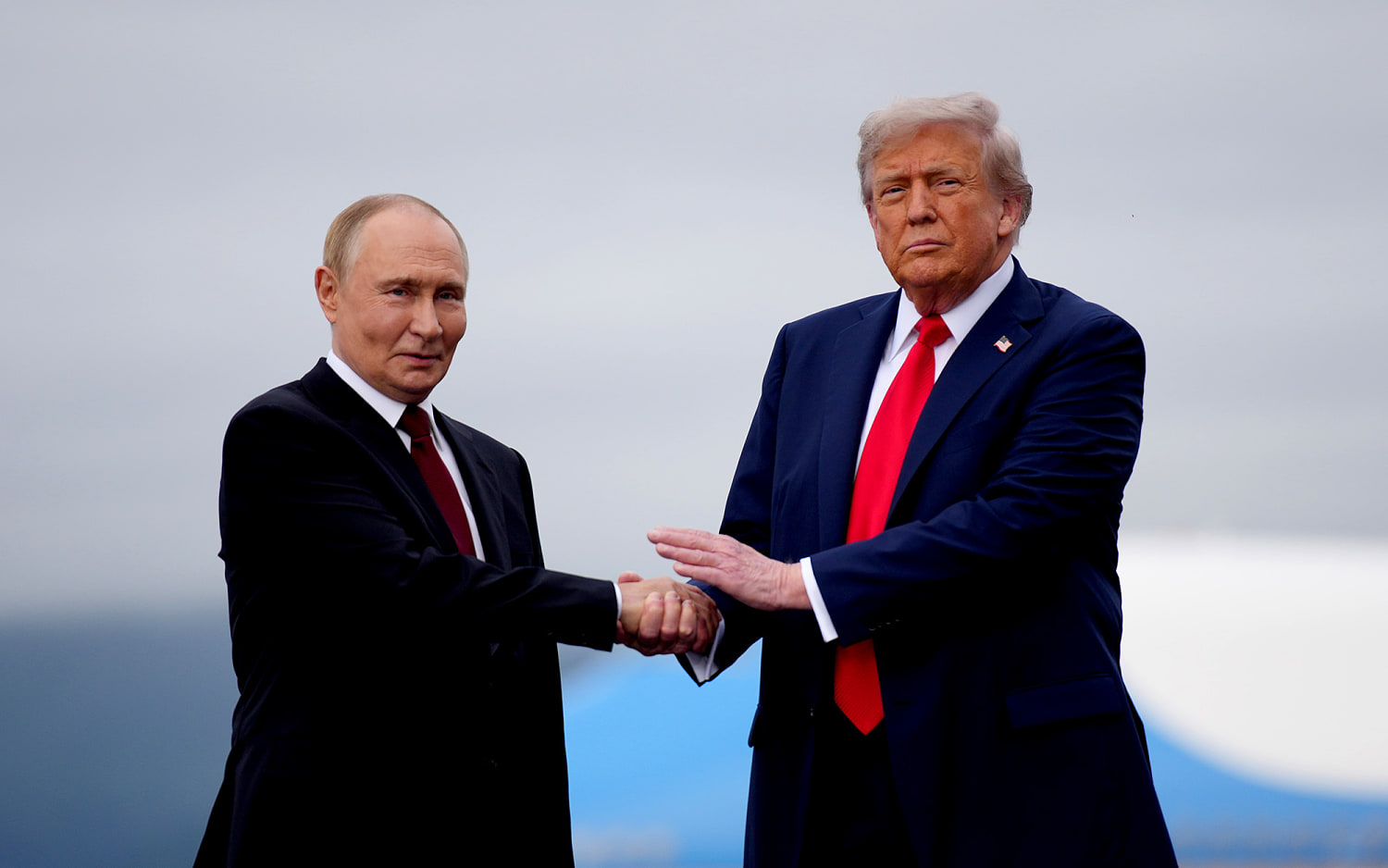
Flattery makes a terrible peace treaty. Yet Donald Trump keeps betting that warm words, friendly handshakes, and personal rapport can coax Vladimir Putin into ending the war in Ukraine.
Look at how this playbook has played out across 2026. Trump's lead negotiator Steve Witkoff praised Putin as "a humanitarian" in St. Petersburg around the release of detained American teacher Stephen Hubbard. Trump has kept a photo of himself and Putin in the White House's Palm Room, called Putin his "friend" at the APEC summit in Shenzhen, and told European allies that Putin is getting tired of fighting and wants a deal.
On paper, that personal touch sounds like classic dealmaking. In reality, it misreads what actually drives the Kremlin. Putin isn't holding out because he feels unappreciated. He's holding out because his core demands on territory, NATO, and European security haven't been met.
Why Flattery Fails in Hardball Diplomacy
Personal chemistry matters in politics. Nobody seriously denies that. Leaders read body language, test ego, and look for openings when two sides are locked in a brutal war of attrition.
Still, foreign policy analysts and historians have watched this pattern long enough to spot its limits. When a leader treats a strategic adversary like a tough real estate counterparty who just needs warmth and recognition, the balance of leverage can quietly shift. Even when American envoys warn Moscow that time is running out for a settlement, public praise risks signaling that Washington wants a deal more than Moscow does.
That dynamic showed up sharply during the high-profile Shenzhen summit alongside Chinese President Xi Jinping. Critics and analysts noted that while the three leaders issued a broad declaration touching on UN reform, oil supplies, and strategic stability, Ukraine wasn't even mentioned in the joint statement. For Putin, simply standing beside Trump and Xi on a global stage already delivered status and legitimacy—without requiring him to sign off on a ceasefire.
And that's the trap. If flattery becomes a substitute for pressure, the Kremlin collects the prestige up front and keeps its maximalist terms intact.
What Moscow Actually Demands on Ukraine
To understand why charm hasn't unlocked a settlement, you have to look at what Putin is asking for—not what he says in friendly rooms.
Moscow has repeatedly pushed for territorial concessions that go far beyond what's currently on the table, including demands tied to parts of Donetsk and Luhansk that Russian forces haven't captured. At the same time, Russian negotiators have pressed for Ukraine to drop its NATO ambitions—even demanding constitutional changes—while blocking Western troops, military equipment, and weapons shipments to Kyiv.
There's also a huge gap between Washington's optimism and Moscow's posture. After bilateral talks and the APEC gatherings, Trump told European leaders that Putin wants the deal done. Yet analysts tracking the war note that Putin has kept up sweeping demands and blamed Kyiv for the stalemate, even as Ukrainian forces strike key targets like the Kerch Strait and Crimean bridge infrastructure.
A handshake can open a door, but it doesn't bridge irreconcilable demands over sovereignty, borders, and security guarantees.
Even U.S.-mediated talks—such as the October 2026 round in Abu Dhabi, the first direct meeting of its kind in nine months—produced a prisoner exchange rather than a broad ceasefire. Prisoner swaps are real and humanly meaningful, especially for families waiting on loved ones. They're still a far cry from ending a war.
Where Experts Push Back and What Remains Debatable
Not everyone views Trump's approach the exact same way, and it's worth being honest about what's genuinely debated.
Supporters of direct engagement argue that refusing to talk to Putin or Xi gets Washington nowhere, and that keeping channels open—even through blunt or flattering rhetoric—creates room for tactical breakthroughs like hostage and prisoner releases. Some diplomatic observers also point out that talking about nuclear risk reduction or testing where a counterpart stands has value as long as Washington doesn't give away core interests for free.
Other experts, including analysts at the Council on Foreign Relations and researchers at the Institute for the Study of War, warn that optics can easily outrun substance. When public warmth toward Moscow is paired with sharp friction between Washington and Kyiv—or questions about future U.S. support—Ukrainian leaders worry they're being pressed to concede ground while Moscow faces no real cost for stalling.
Republican lawmakers have also split publicly on the tone coming out of Washington. When Witkoff called Putin a "humanitarian," lawmakers like Sen. Susan Collins and Sen. Thom Tillis pushed back sharply against that label. Meanwhile, shifting dynamics in Washington—including what a Democratic-led Congress might do on aid votes and veto overrides—add another layer of uncertainty that both Moscow and Kyiv are watching closely.
Practical Ways to Track Real Progress on Talks
If you're following coverage of U.S.-Russia-Ukraine negotiations, headlines about "great chemistry" or "warm talks" can easily fool you. Words are cheap in diplomacy. Concrete moves aren't.
- Watch territorial and security language, not just tone. Ignore who called whom a "friend" or "humanitarian". Look at whether Moscow drops demands for uncaptured territory or accepts credible security guarantees for Ukraine.
- Separate humanitarian steps from political settlements. Prisoner exchanges matter, but they don't settle borders, airspace, or postwar security.
- Check how European allies react right after meetings. When Washington tells European partners a deal is close, watch whether leaders in Kyiv, Paris, Berlin, or Warsaw echo that optimism or push back.
- Follow sanctions and aid policy alongside summits. Real leverage shows up in weapons deliveries, economic pressure, and legislative votes—not photo ops.
Flattery might keep a conversation going for another week or another summit. Ending a war on terms that hold requires actual leverage, clear red lines, and hard compromises that neither side has shown it's ready to make.