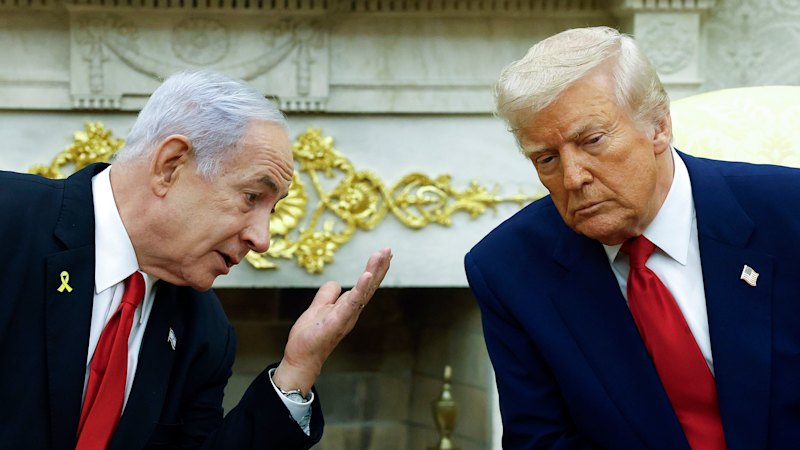
Donald Trump wants everyone to know he is in charge. He loves the phrase. In a phone interview with the Financial Times on June 7, 2026, the US president repeated it like a mantra. Referring to Israeli Prime Minister Benjamin Netanyahu, Trump barked, "He won’t have any choice. I call the shots. I call all the shots. He doesn't call the shots."
It is classic Trump. Direct. Aggressive. Explicit.
But saying you call the shots does not mean the bullets obey your commands. Within hours of Trump making those statements, reality shattered the illusion. Israel and Iran traded explosive blows anyway, ignoring the White House script entirely.
The immediate catalyst was an Israeli airstrike on a Hezbollah stronghold in southern Beirut. Iran retaliated by firing a barrage of 11 ballistic missiles toward Israel, breaking a fragile regional truce that had been in place since April 8. Trump frantically called Netanyahu, urging him not to respond. He told Fox News he was telling "Bibi" to stand down. "Israel had its strike and Iran had its strike. We don't need another one," Trump told Axios.
Netanyahu hit back anyway. The Israeli Air Force quickly launched retaliatory strikes on military targets in western and central Iran.
The truth is obvious. Trump is chasing a quick diplomatic victory to wind down an unpopular war and reopen the Strait of Hormuz before the upcoming US elections. Netanyahu is fighting for his political survival and wants nothing less than the total destruction of the Iranian regime. Iran wants to protect its proxy network and secure sanctions relief. These goals do not align. Trump claims he is the conductor, but the musicians are playing their own tunes.
The Illusion of Absolute American Control
Washington has long suffered from the delusion that it can control every move its allies and adversaries make. Trump has taken this mindset to its logical extreme. He truly believes his personal brand of transactional deal-making can force two historical enemies into compliance.
It is a bad assumption. Netanyahu is under intense domestic pressure. He is managing a multi-front war that began with the October 7, 2023 attacks. He is facing upcoming elections in Israel. For Netanyahu, showing weakness to Iran or looking like a puppet of the White House is political suicide.
When the US and Israel launched joint strikes against Iran on February 28, 2026, they looked unified. Netanyahu declared the objective was to eradicate Iran's nuclear program and topple the government. Trump celebrated the death of Iran's supreme leader during that opening barrage.
But their long-term visions diverged instantly. Trump wanted a short, sharp conflict followed by a grand peace deal. Netanyahu wanted a war of attrition to permanently dismantle Israel's greatest existential threat. You cannot force a leader to stop fighting when he believes his survival depends on the conflict continuing.
Why the US Iran Peace Deal is Hooked on Lebanon
The current diplomatic friction centers heavily on Lebanon. Trump and US Vice President JD Vance have been quietly negotiating a broader peace agreement with Iranian Foreign Minister Abbas Araghchi. They even reached an agreement in principle on May 24 to reopen the blockaded Strait of Hormuz, which has caused a massive global energy crisis.
But Tehran has a strict precondition. They will not sign a permanent deal with Washington unless Israel agrees to a total and permanent ceasefire in Lebanon.
This is where Trump's strategy falls apart. He has tried to accommodate Iran's demand, leading to immense friction with Jerusalem. Axios leaked a brutal phone call from early June where Trump allegedly screamed at Netanyahu, "You're crazy. You'd be in prison if it weren't for me. Everybody hates you now." Trump later confirmed the call happened and did not dispute the language.
Despite Trump's rage, Israel continues to strike Hezbollah targets in Beirut almost daily. Netanyahu rejects the idea that his campaign in Lebanon should be tied to Trump's nuclear negotiations. Israel wants the theaters separated. They want to crush Hezbollah completely, regardless of what Trump is trying to sign with Tehran.
Iran Visualizes the Battlefield Differently
Trump also miscalculates how Tehran operates. He dismissed the June 7 missile strikes as "attacks that did not kick at all," viewing them as a minor nuisance that would not derail his negotiations. "The deal may make it on its own merit, or not, but this will not have any effect on it," Trump insisted to the Financial Times.
Tehran does not see it that way. The Iranian regime cannot allow Israel to degrade Hezbollah without projecting strength. Speaker of the Iranian Parliament Mohammad Bagher Ghalibaf made it clear that following the Israeli strikes in Beirut, US bases and assets in the region are now "legitimate targets."
Iran is playing a double game. They are talking to Pakistani and Qatari mediators about sanctions relief and lifting the maritime blockade, but they are simultaneously maintaining their regional deterrence through violence. They are not going to pause their military operations just because Trump wants to declare a foreign policy win on television.
The Cost of Forcing a Bad Deal
What happens if Trump keeps pushing? If he tries to force Netanyahu's hand by threatening to cut off military aid or intelligence sharing, the alliance could crack in ways that cannot be easily repaired.
If the negotiations fail, Trump has already threatened extreme alternatives. He mentioned considering a US commando raid or maintaining a total naval blockade on Iran. "The blockade has been probably more powerful than any attack that was ever made on that country," Trump stated.
But a permanent blockade keeps global oil prices high. It keeps the global economy unstable. It is a temporary fix for a permanent problem.
To actually stabilize the region, the White House needs to drop the rhetoric about calling all the shots. You cannot treat complex ideological warfare like a real estate negotiation.
If you are tracking these developments, stop looking at the press conferences. Watch the strikes in Lebanon. Watch the shipping volume through the Strait of Hormuz. If Israel refuses to stop its operations in Beirut, no amount of paperwork signed by Trump and Iranian diplomats will bring peace to the region. Watch the actions on the ground, because that is where the real shots are being called.