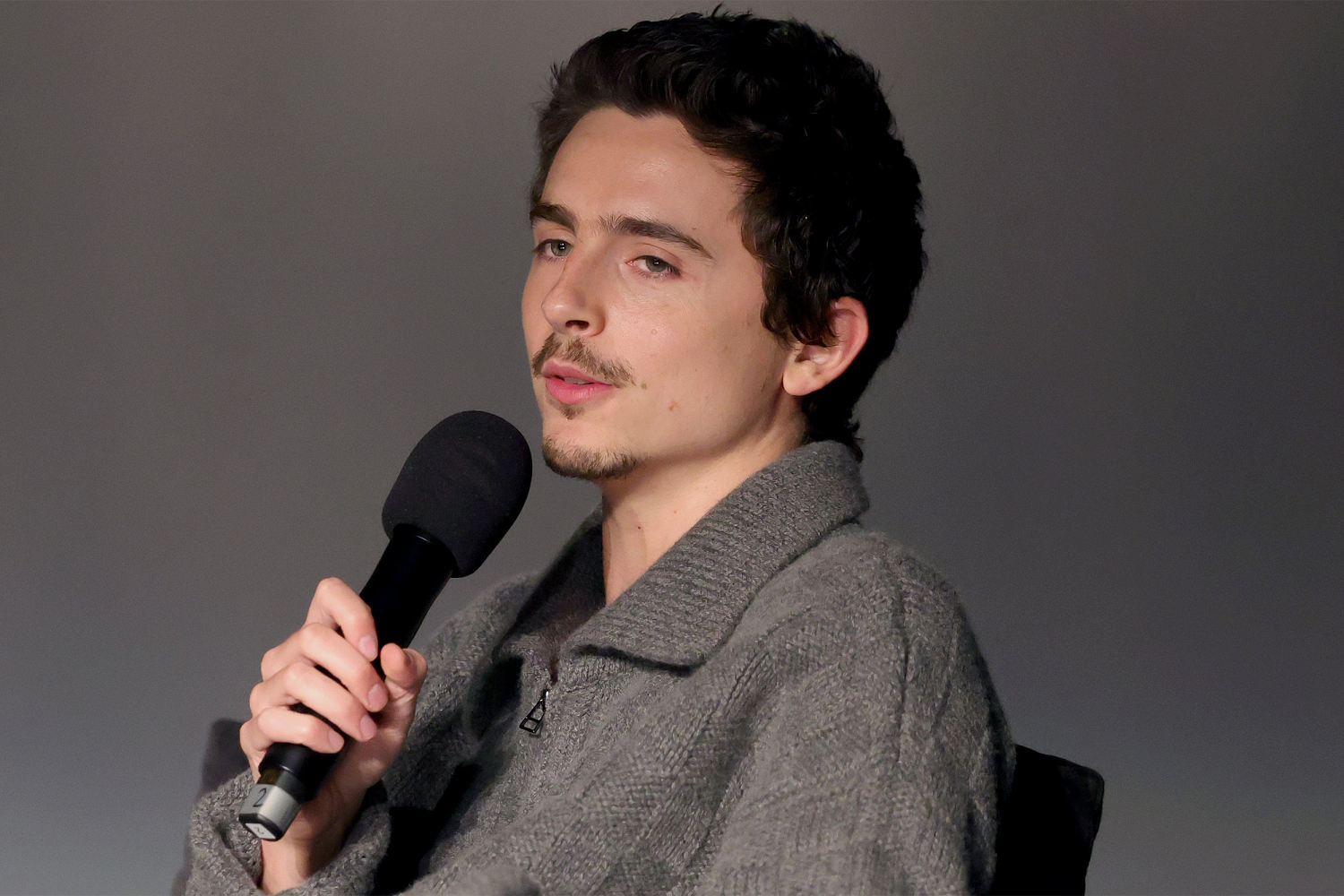
Timothée Chalamet recently managed to alienate some of the most dedicated—and defensive—artistic communities on the planet with a single, dismissive sentence. During a press circuit, the actor suggested that "no one cares" about opera or ballet anymore, at least not compared to the juggernaut of modern cinema. It was a throwaway line intended to highlight the reach of his own medium, but it landed with the thud of a leaden curtain. The backlash from dancers, singers, and artistic directors was swift, but the real story isn't about an actor’s lack of tact. It is about a fundamental misunderstanding of how culture survives in an era of fractured attention.
Chalamet's comment touched a nerve because it echoed a lazy narrative that has been circling the drain of cultural criticism for decades. To the uninitiated, the high arts are often viewed as dusty relics kept on life support by a handful of aging billionaires. This perspective assumes that if something isn't trending on a social media dashboard, it has ceased to exist. In reality, the "nobody" Chalamet refers to includes a global audience that continues to sell out houses from La Scala to the Met, fueling a multibillion-dollar economy that underpins the very prestige Chalamet himself currently enjoys.
The Prestige Paradox
Hollywood has a long history of cannibalizing the high arts to lend itself an air of legitimacy. It is a symbiotic relationship where cinema takes the aesthetic, the discipline, and the "class" of the stage, while often biting the hand that feeds it. Chalamet, who spent years training at a performing arts high school, is a direct product of this ecosystem. For him to claim that these forms are irrelevant is not just an insult to his peers; it is a denial of his own professional lineage.
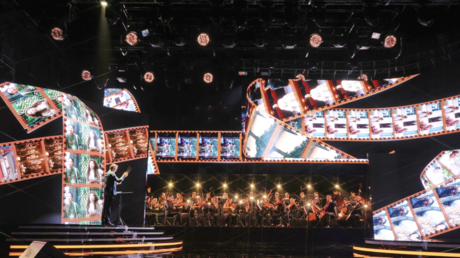
The film industry frequently raids the ballet and opera worlds for talent and visual language. Think of the obsessive technical rigor in films like Black Swan or the operatic scale of the Dune franchise that Chalamet headlines. These films rely on the exact "boring" disciplines the actor dismissed to create a sense of awe. When a movie star claims these arts are dead, they are essentially burning the bridge they used to cross into the mainstream.
There is an inherent irony in a film star dismissing live performance. Film is a static medium. Once the edit is locked, the performance never changes. Opera and ballet, conversely, are volatile. They exist only in the moment of execution. This fragility is exactly why people still care. In a world of infinite digital replication, the physical reality of a human being hitting a high C or completing a series of fouettés without the safety net of CGI is a rare commodity.
Data vs Perception
The "nobody cares" argument falls apart the moment you look at the ledger. While the pandemic dealt a brutal blow to live venues, the recovery has shown a stubborn resilience in the high arts sector.
- Ticket Sales: Pre-pandemic figures showed global opera and ballet attendance holding steady or growing in emerging markets like East Asia and parts of Eastern Europe.
- Youth Engagement: The Met Opera’s "Under 40" programs and rush ticket initiatives are consistently oversubscribed.
- Digital Reach: Performance streaming services have seen a spike in subscriptions, proving that the appetite for the content exists even when the physical access is limited.
The problem is not a lack of interest. It is a lack of visibility within the algorithmic bubbles that define "relevance" for people like Chalamet. If your metric for cultural importance is strictly based on TikTok trends or opening weekend box office numbers, then yes, a Verdi opera looks like a rounding error. But culture is not a popularity contest won by whoever has the most followers. It is a foundational layer. Without the technical innovations developed in the pits of 19th-century theaters, the modern film score would not exist.
The Economic Engine of the Stage
We often forget that these "niche" arts are major employers. A single production at a top-tier opera house involves hundreds of specialized workers, from costume designers and lighting technicians to world-class musicians. This is a massive labor market that sustains a high level of craftsmanship. When a high-profile figure suggests these industries are irrelevant, they jeopardize the funding and public support that keeps these specialized trades alive.
Public subsidies for the arts in Europe and philanthropic models in the US are sensitive to cultural sentiment. If the narrative becomes "nobody cares," then the justification for funding disappears. This creates a self-fulfilling prophecy. You starve the arts of resources because you claim they are dying, and then they die because they were starved. Chalamet’s words carry weight because he is seen as a tastemaker for Gen Z. His dismissal provides cover for a broader disinvestment in cultural education.
The Gatekeeping Myth
One of the reasons celebrities feel comfortable punching down at the high arts is the lingering perception of elitism. The trope of the opera-goer in a tuxedo with a monocle is a caricature that the industry has struggled to shake. However, the modern reality is far more democratic. You can get a standing-room ticket at many world-class houses for less than the price of a cocktail in a Los Angeles lounge.
The barrier to entry is rarely the cost; it is the perceived social friction. By claiming "no one cares," Chalamet reinforces the idea that these spaces aren't for the average person. He positions himself as the voice of the "real" world, implying that the high arts are a gated community for the pretentious. This is a profound disservice to the thousands of performers who come from working-class backgrounds and find their voice through the rigorous training of the conservatory.
The Discipline Gap
There is also a question of craft. The level of physical and vocal training required to perform a three-hour opera or a full-length ballet dwarfs the requirements of most film acting. This is a hard truth that many Hollywood actors find uncomfortable. In film, you can do twenty takes. You can use a stunt double. You can fix the pitch in post-production. On stage, there is no "post."
This level of mastery is becoming increasingly rare in a culture that prizes "relatability" over excellence. We have traded the awe of seeing someone do something impossible for the comfort of seeing someone do something we could almost do ourselves. Chalamet is a talented actor, but his dismissal of these disciplines suggests a lack of respect for the sheer labor involved in high-level performance.
Why the Backlash Matters
The response from the arts community wasn't just about hurt feelings. It was a defensive reflex from an industry that is tired of being treated as a museum piece. Directors and performers pointed out that their seasons are packed, their new commissions are pushing boundaries, and their audiences are more diverse than ever.
The pushback also highlighted a generational divide. Many young performers feel that Chalamet, as a peer, should be an ally. They see him as someone who could bridge the gap between "prestige" cinema and the live arts. Instead, he chose to play into a tired stereotype. This missed opportunity is what stings the most.
Imagine if, instead of dismissing the medium, he had used his platform to highlight a specific dancer or a modern production that blew him away. The cultural impact would have been massive. Instead, he contributed to the noise of a culture that knows the price of everything and the value of nothing.
Moving Beyond the Celebrity Soundbite
The "high arts" don't need Timothée Chalamet's approval to survive, but they do need a defense against the narrative of obsolescence. This narrative is pushed by those who benefit from a flattened cultural landscape where every piece of art is judged by the same metrics of "virality."
To fight this, the arts community must continue to lean into its unique strengths. They cannot compete with film on scale or accessibility, so they must compete on intensity and authenticity. The goal isn't to make everyone "care." The goal is to ensure that the people who do care have a place to go, and that the next generation of performers has a path to follow.
The next time a celebrity suggests that a centuries-old art form is "dead," we should look at the source. Often, it is a statement born of a very specific kind of professional myopia. It is the view of someone who is so ensconced in the machinery of modern fame that they have forgotten the roots of their own craft.
If you want to see where the real innovation is happening, look away from the red carpet and toward the rehearsal halls where people are still pushing the limits of what the human body and voice can achieve. That is where the soul of the performance lives. It doesn't need a hashtag to be real. It doesn't need a movie star's permission to be important. It simply needs to be seen.
Go see a performance this season. Not because you're supposed to, and not because it's "refined," but because it is one of the few places left where you can witness a human being do something truly extraordinary without a digital filter. You might find that "nobody" is actually quite a large, vibrant, and necessary crowd.