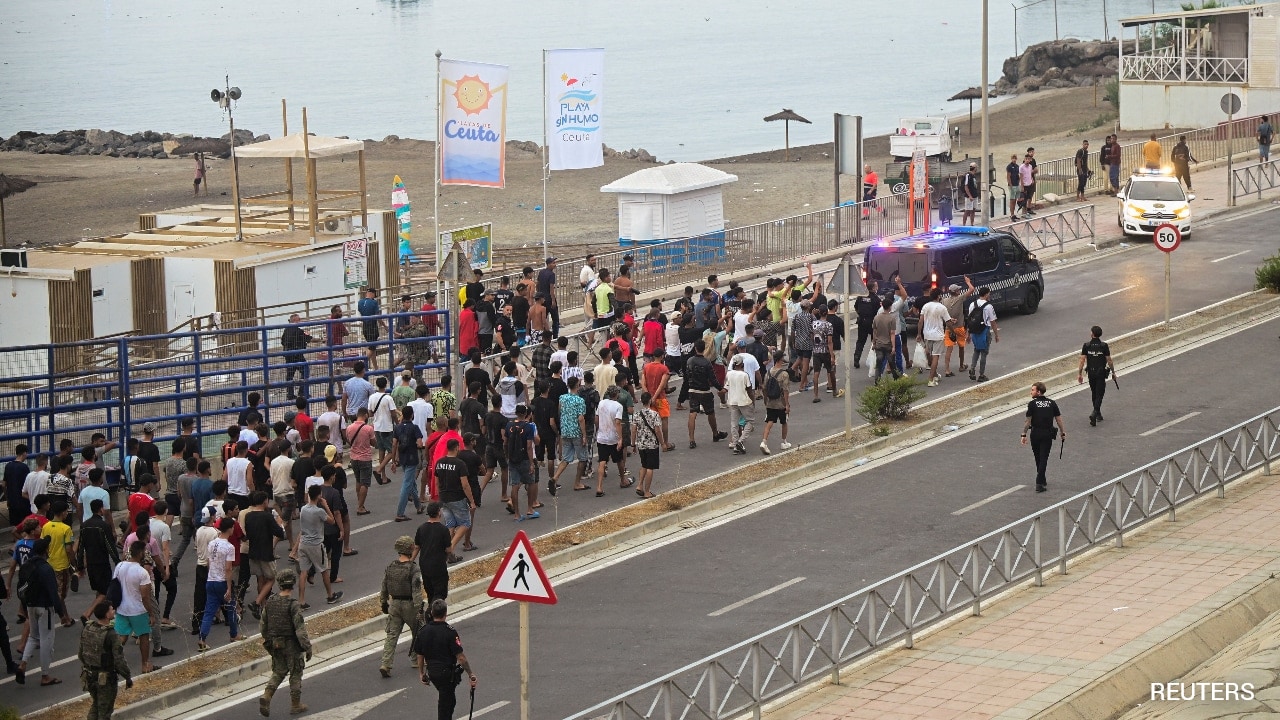
Every single day, thousands of young people look across a narrow stretch of blue water and see a different destiny. They see Europe. They see stability, money, and a chance to rewrite their family history. But the reality of irregular migration is brutal. It’s cold, it’s indifferent, and it swallows ambition whole.
When you look at the stories behind the headlines of migration tragedies, you stop seeing numbers. You start seeing human beings who ran out of options. Three young Moroccan men set out with distinct hopes—finding stable work, chasing a professional soccer contract, and simply securing a better life. Their journeys converged on the same fatal path. Let's look at what actually drives young men to risk everything on a rubber boat, and why the systems meant to protect them keep failing.
The Mirage of the Professional Soccer Dream
Soccer is practically a religion across North Africa. In neighborhoods from Casablanca to Tangier, dusty pitches are packed from dawn until dusk. Kids play barefoot, turning rolled-up plastic bags into footballs. They watch European leagues on cracked screens in crowded cafes. They know every statistic, every player, and every club.
For thousands, soccer isn't just a game. It's an escape hatch.
Scouts do roam the region, but the legitimate pipeline is fiercely competitive and heavily restricted by visa regulations. Many young players believe that if they can just get their feet on European soil, even illegally, they can walk onto a trial pitch and change their lives.
One of the three young men whose stories captured the grim reality of the migration crisis held onto this exact belief. He had local talent. He possessed the raw drive that coaches love. But talent doesn't clear border controls. Without a Schengen visa, official club invitations remain useless pieces of paper.
Desperation makes people blind to risk. He packed light, said goodbye to his mother, and paid smugglers who cared nothing for his left foot or his scoring ability. They cared only about the cash in his pocket. The boat he boarded was overcrowded, unseaworthy, and destined for failure.
You can talk about legal pathways and immigration quotas all day long, but when a kid believes his only alternative is a lifetime of poverty, he will step onto a sinking dinghy. The dream of playing under stadium lights in Madrid or Marseille blinded him to the dark, freezing reality of the Alboran Sea.
The Economic Dead End Driving the Exodus
Let's talk about the economy. Morocco’s macro numbers look decent on paper. Tourism is growing, automotive plants are expanding, and foreign investment flows into Tangier. But youth unemployment remains a stubborn anchor dragging down an entire generation.
If you graduate with a university degree in Fez or Rabat, your odds of landing a job that pays a living wage are depressingly low. Inflation has bitten hard into household budgets. Prices for basic goods have climbed, while local salaries have stayed flat.
The second young man among the trio was a university graduate. He wasn't lazy. He didn't lack education. He applied to hundreds of entry-level positions, facing rejection after rejection or being offered wages that wouldn't cover rent and food, let alone support his aging parents.
In his mind, staying meant stagnating. It meant watching his youth slip away in a café while nursing a single mint tea for three hours.
When your country offers you no economic mobility, the risk of drowning in the Mediterranean starts to look rational. That is the tragedy. People aren't leaving because they hate their homeland. They are leaving because their homeland feels like a dead end with locked doors.
Smugglers exploit this exact psychological breaking point. They market illegal transit like a travel agency package. They post flashy videos on social media showing sleek speedboats slicing through calm water, ignoring the storms, the abuse, and the Coast Guard interceptions. Young men buy the lie because the truth at home hurts too much to bear.
The Search for Dignity Across the Water
Dignity is a heavy word. For the third Moroccan man in this tragic trio, dignity meant being able to walk into a store without calculating every single coin. It meant sending money home to build a proper brick house for his family instead of living under a leaking tin roof.
He worked odd construction jobs whenever he could find them. The work was brutal, back-breaking, and entirely unregulated. One week he had cash; the next three weeks he sat idle. There was no safety net, no healthcare, and no pension.
He didn't care about luxury cars or European fame. He wanted basic security. He wanted the kind of life that European tourists took for granted when they visited Moroccan beaches.
The journey across the Strait of Gibraltar is only about nine miles at its narrowest point. Nine miles. It looks so close you feel like you could swim it on a clear afternoon. That optical illusion lures people to their deaths every single year. Strong currents, unpredictable winds, and massive cargo ships turn those nine miles into a watery graveyard.
When his family received the call, the illusion shattered. The body washed up on a rocky shore, stripped of everything except the memory of a young man who wanted a fair shot at existence.
Understanding the Broader Humanitarian Failure
We need to address the elephant in the room. Border fortification and naval patrols don't stop migration; they just make it more dangerous. When authorities close one route, migrants simply find a more perilous one.
European nations pour billions into border security, externalizing their borders to North African governments. Yet, they invest fractions of that amount into structural economic development or creating legal, accessible pathways for young laborers.
If you want to stop young Moroccans from dying at sea, you have to fix the pipeline before it reaches the coastline. You need transparent visa systems that allow young workers and athletes to travel legally for trials or seasonal labor. You need genuine investments in regional job creation that pay wages people can actually live on.
Right now, the system treats human desperation as a security threat rather than a humanitarian crisis. Smugglers rake in millions while families in North Africa bury their children in silent grief.
Stopping this cycle requires radical honesty from both sides of the Mediterranean. Europe needs labor, but it refuses to open the front door legally. North African nations need to retain their youth, but they struggle to build economies that reward hard work.
Until those fundamental truths change, the sea will keep claiming the ambitious, the talented, and the desperate. Pay attention to the human cost behind political debates. These three young men weren't statistics. They were sons, brothers, and dreamers who traded everything for a horizon they never reached.


