The glow of a laptop screen at 3:00 AM is a specific kind of moonlight. It doesn't illuminate the room; it only highlights the desperation on the face of the person staring into it. For someone like "Mark"—a hypothetical but all-too-real composite of the thousands currently navigating a Stage IV diagnosis—that blue light is a lifeline.
Mark has done the rounds. He’s sat in the sterile beige chairs of oncology wards. He’s felt the cold rush of platinum-based poisons entering his veins. He’s watched his hair fall out in clumps and felt his world shrink to the size of a pill organizer. When his doctor used the word "palliative," the room went silent. The medical establishment had run out of road.
But the internet never runs out of road.
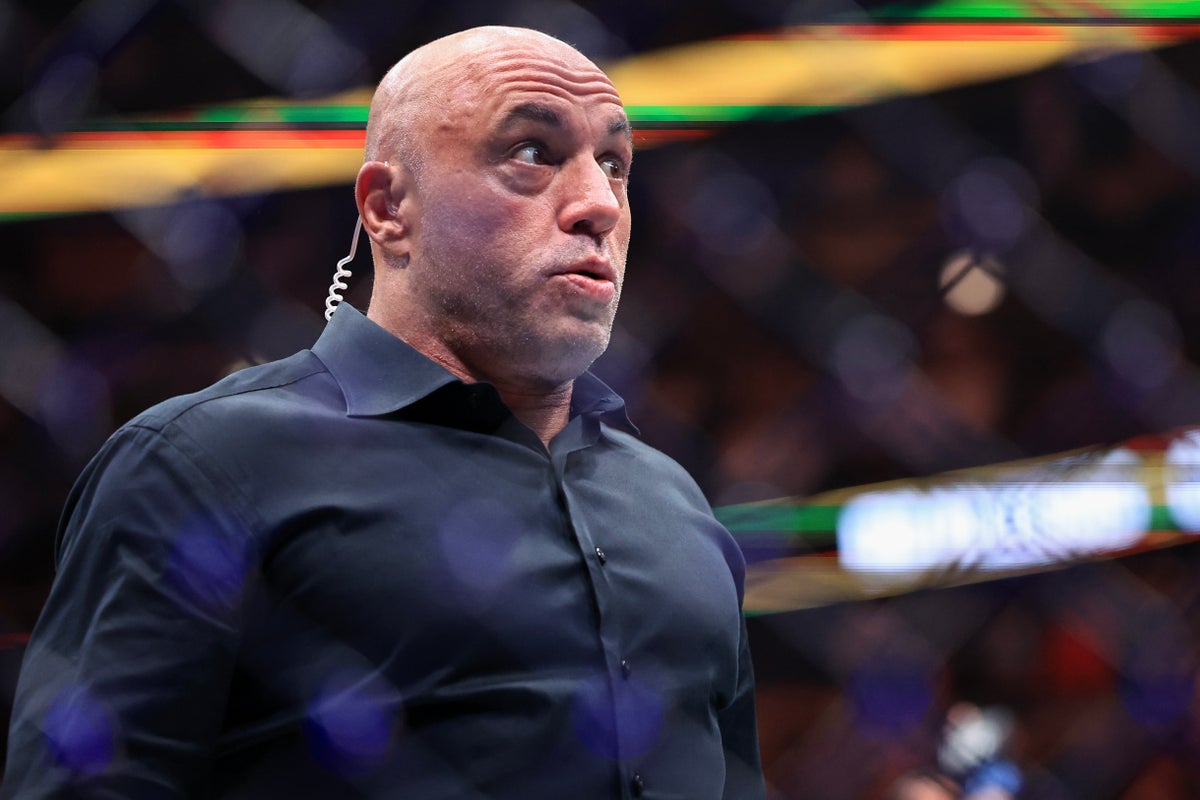
In that silence, a voice fills the void. It’s a familiar voice—deep, gravelly, and confident. It belongs to Joe Rogan. On the The Joe Rogan Experience, the world’s most influential podcast, the air is thick with "what-ifs" and "they don't want you to knows." Suddenly, Mark isn't a patient waiting to die; he’s a researcher. He’s a rebel. He’s looking for ivermectin.
The Anatomy of an Information Epidemic
The shift from the doctor’s office to the digital arena isn't just about medicine. It’s about trust. When the traditional systems fail to provide a cure, people look for a protagonist.
Ivermectin entered the cultural zeitgeist not through a peer-reviewed oncology journal, but through the sheer force of personality. Originally developed as an antiparasitic—winning a Nobel Prize for its effectiveness against river blindness and lymphatic filariasis—it became a lightning rod during the COVID-19 pandemic. From there, the leap to cancer was inevitable. The narrative is seductive: a cheap, off-patent drug is being suppressed by "Big Pharma" because there is no profit in a cure that costs pennies.
This story isn't just a conspiracy theory; it’s a survival mechanism. For a cancer patient, the idea that a miracle is hidden in plain sight is more than a hope. It is a necessity.
Data from health tracking organizations and social media analytics show a marked spike in "ivermectin for cancer" searches following specific podcast episodes. It isn't a coincidence. It is a direct pipeline from the ears of millions to the pharmacy counters of the world.
Why the Science Struggles to Keep Up
The friction lies in the way we prove things. Science is slow. It is methodical. It is boring.
To a researcher, ivermectin is a fascinating molecule. In a petri dish—what scientists call in vitro—ivermectin has shown some ability to inhibit the growth of certain cancer cells. It can interfere with signaling pathways that tumors use to thrive.
But a petri dish is not a human body.
Consider the scale. To achieve the concentration of ivermectin in a human lung or colon that matches the success seen in a lab setting, a patient would likely have to ingest doses that are toxic to the human nervous system. Humans are not giant petri dishes. We have metabolism, blood-brain barriers, and organs that fail when overwhelmed by chemicals they weren't designed to process at high volumes.
When Joe Rogan speaks about "repurposed drugs," he isn't entirely wrong about the concept. Drug repurposing is a legitimate field of medicine. Aspirin prevents heart attacks; Thalidomide, once a tragedy for birth defects, is now a tool against multiple myeloma. The difference is the evidence.
While the podcast world moves at the speed of a conversation, clinical trials move at the speed of years. This lag creates a "truth vacuum." In that vacuum, anecdotes become evidence. A story about a friend’s uncle whose tumor shrunk after taking "the horse paste" carries more emotional weight than a double-blind, placebo-controlled study with a p-value of 0.05.
The Psychology of the Alternative
Why do we believe the man with the microphone over the woman with the MD?
The answer is empathy. Or at least, the appearance of it.
The modern medical experience is often felt as cold and transactional. Patients are ID numbers. They have fifteen-minute windows to discuss their mortality before the doctor has to rush to the next room. In contrast, a podcast is intimate. It’s three hours of long-form conversation. It feels like being in the room with friends. When a guest on a show claims that ivermectin is a "miracle drug" for glioblastoma, the listener feels they are being let in on a secret.
This is the "Democratization of Expertise." It sounds empowering. It feels like taking your health into your own hands. But there is a hidden cost.
The cost is the "Alternative Treatment Trap." When a patient chooses to pursue an unproven path, they often do so at the expense of proven, albeit difficult, treatments. They aren't just adding a supplement; they are often subtracting time. Every month spent self-medicating with a dewormer is a month where the tumor, unimpressed by the podcast's narrative, continues its relentless expansion.
The Invisible Stakes of the "What If"
Think back to Mark.
He finds a source for ivermectin. Maybe it’s an online pharmacy in a country with loose regulations. Maybe it’s a local farm supply store. He starts taking it. He feels a surge of dopamine—the "action bias" in full effect. He is finally doing something. He is fighting back.
But then, the side effects start. Dizziness. Nausea. Blurred vision. These are the known neurological impacts of high-dose ivermectin. In his mind, he justifies it: "This is the 'die-off' effect. This means it’s working."
This is the danger of the narrative. It reframes failure as success. It turns toxicity into "healing."
The medical community is not a monolith of greed. Thousands of researchers would give their lives to find a cheap, effective cancer cure. If ivermectin were the silver bullet, the first people to celebrate would be the oncologists who have to tell families there is nothing left to do. The tragedy is that the "Big Pharma" villain arc is so compelling that it blinds us to the reality of the scientific method.
The Echo Chamber of the Brave
Social media has turned these individual choices into a movement. There are Facebook groups, Telegram channels, and Reddit threads dedicated to "the protocol." These spaces are incredibly supportive. They provide a sense of community that a sterile hospital cannot match.
However, they are also echo chambers. When someone in the group passes away, the narrative shifts. "They started too late," the comments say. Or, "They didn't follow the protocol correctly." The drug is never the problem. The failure is always the patient's.
This creates a cycle of guilt and secrecy. Patients hide their "alternative" habits from their oncologists, fearing judgment. In turn, the oncologists are left in the dark, unable to account for drug interactions or the source of new, strange symptoms. The bridge between the patient and the provider crumbles.
The Reality of the Podcast Effect
Joe Rogan is not a doctor. He says this frequently. But he is a storyteller. And in the 21st century, the story is more powerful than the statistic.
The surge in ivermectin use among cancer patients is a symptom of a larger disease: the breakdown of the shared reality. We no longer agree on what constitutes a fact. We weigh the "vibe" of a podcast host against the consensus of the global medical community.
This isn't just about a pill. It’s about how we navigate the most terrifying moments of our lives. When we are faced with our own end, we want a hero. We want a secret. We want to believe that the world is simpler than it is.
The truth is messier. It’s a landscape of incremental gains, devastating losses, and a medical system that is desperately trying to heal while being bogged down by its own bureaucracy.
Ivermectin may one day find its place in the oncology toolkit. Science is always open to being wrong. But that place will be earned through the fire of rigorous testing, not the warmth of a recording studio.
Until then, the blue light of the laptop continues to flicker in the dark. Mark continues to scroll. He is looking for a miracle in a world that only offers hard truths. The tragedy isn't that he’s looking; the tragedy is that we’ve let him believe he’s looking in the only place that cares.
He isn't just a statistic in a "more patients are using" headline. He is a father, a husband, and a son who is being sold a narrative of hope that might just be stealing his final, precious chances to say goodbye.
The microphone is off. The headphones are put away. But out there, in the quiet of the night, the consequences of the conversation are only just beginning to be felt.