Tehran looks like a futuristic metropolis if you catch it at the right hour. Sunlight hits the glass facades of modern towers in Abbas Abad or the high-rises climbing the northern slopes toward the Alborz mountains. It is a city of glass in every sense. It is transparently vulnerable, visibly wealthy in patches, and brittle under the pressure of regional geopolitical instability. When people talk about the threat of war, they often miss the point. They focus on missile ranges and stockpile numbers. They forget that for a capital like Tehran, the threat isn't just about an explosion. It is about the shattering of a fragile economic and social consensus that has held the city together for decades.
If you are paying attention to the rhetoric flying between Tehran and its adversaries, you know the stakes are high. But you need to look past the bluster. The real story isn't found in state-run press releases or angry social media posts. It is found in the logistics, the supply chains, and the collective anxiety of a population that has been here before.
The geography of a cage
You cannot talk about the defense of Tehran without talking about its geography. It is a massive, sprawling bowl. It sits on a high plateau, hemmed in by the towering Alborz mountains to the north and open, arid plains to the south. In military terms, this is a nightmare. It is a bowl with limited exits. If the air corridors are contested or locked down, you are stuck.
During the Iran-Iraq War in the 1980s, the world saw the "War of the Cities." It was brutal. Saddam Hussein’s forces launched Scud missiles into civilian areas, trying to break the resolve of the population. People in Tehran still remember those nights. They remember the sound of sirens and the scramble for bunkers that weren't really bunkers. That memory is etched into the collective psyche.
Today, the "glass" nature of the city is different. It is not just about buildings. It is about the digital and physical infrastructure. Modern Tehran relies on complex, interconnected systems for everything. From the subway network that transports millions of people daily to the digital payment systems that keep the economy running despite brutal sanctions, everything is linked. One shock, one failure in the power grid, or one severe disruption in imported goods creates a cascading effect. The city is highly efficient, but efficiency is the enemy of resilience.
Why sanctions created a house of cards
Many analysts make a massive mistake when they talk about Iran. They assume the economy is self-sufficient because it has to be. That is only half-true. Yes, the country has localized production, but it is built on a foundation of workarounds. The economy operates like a shadow system. It is a labyrinth of shell companies, smugglers, and currency traders.
If a real conflict kicks off, those shadow channels are the first to close. When money cannot move, the glass shatters.
Consider the cost of living. Inflation is already high. If you live in Tehran, your daily life is a constant calculation of risk and cost. Can you afford the imported medicine you need? Is the local substitute any good? When external tensions rise, the first thing that happens isn't a bomb dropping; it is the currency market freezing. The exchange rate goes wild. The bazaar stops selling goods because they don't know what to charge. That is the internal war. It is the war of prices and shortages.
People outside the region rarely grasp this. They think war is only about military hardware. In reality, war is about the breakdown of the invisible architecture of daily life. The threat to the "City of Glass" is that it will simply stop working.
The civilian reality versus the state narrative
There is a gap between what the government says and what the guy running a café in Tajrish actually believes. The state relies on the narrative of resilience. They want you to believe the society is a monolith, unified against an outside threat. Walk the streets, and you will hear a different story.
You will find skepticism. You will find exhaustion. People are tired of the perpetual state of mobilization. They are tired of the economic squeeze. If you are analyzing this situation, you have to factor in the public mood. A government that loses the internal buy-in of its people becomes significantly more dangerous, not less. They act out to distract, to redirect anger, or to force unity. This is the danger zone. When the internal situation in Tehran feels unstable, the temptation to escalate externally often increases.
Lessons from the history of conflict
We have seen this movie before. The 1980s conflict wasn't just a military struggle; it was an attempt to degrade the Iranian economy until the state structure fractured. It failed, but it left deep scars. The current situation shares similarities, but the stakes are higher because the world is more connected.
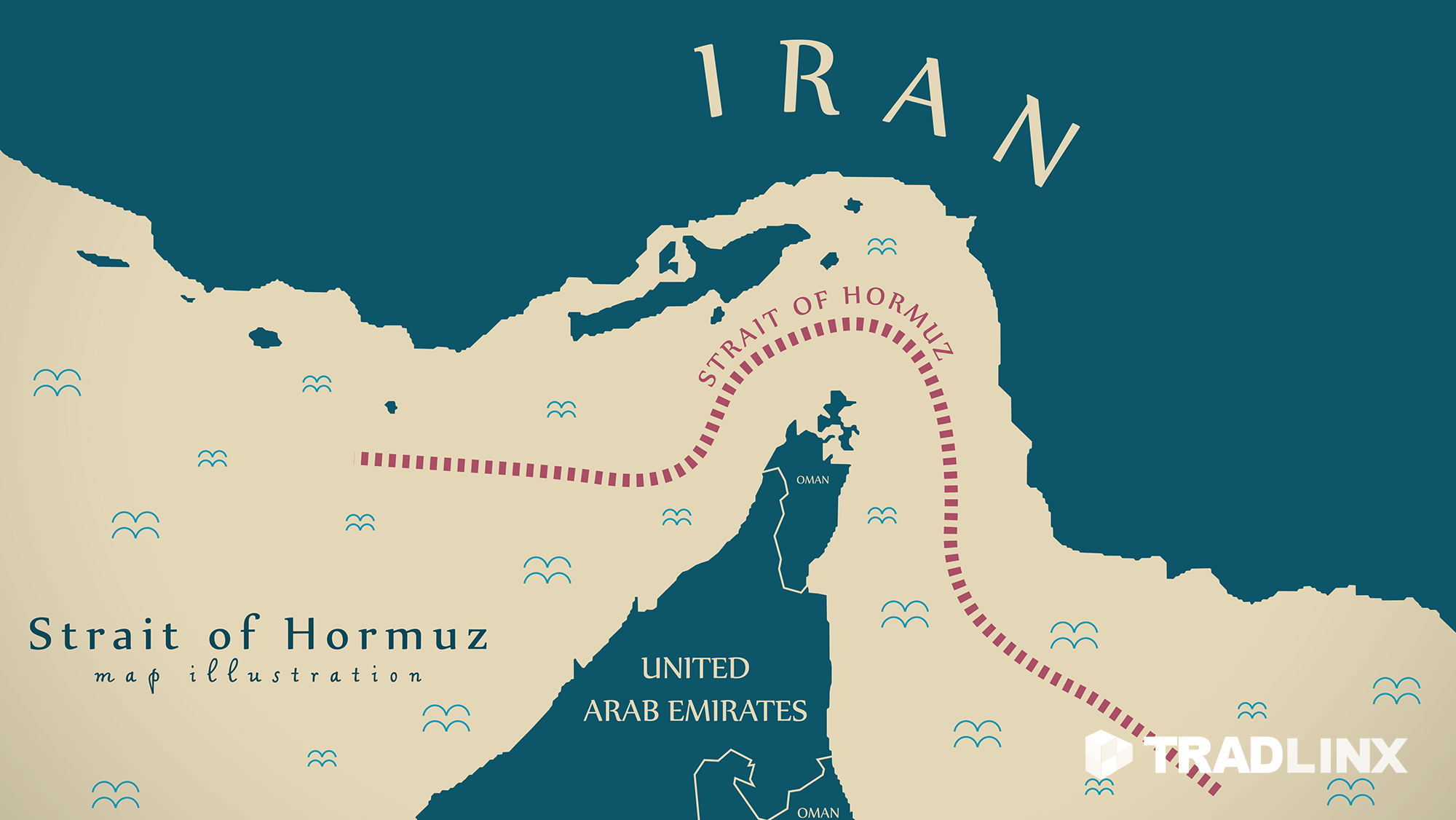
When the shipping lanes in the Strait of Hormuz are threatened, it is not just an Iranian problem. It is a global shock. But for Tehran, it is personal. It is the pipeline of their existence. The "City of Glass" relies on being able to trade, even under the table. If those routes close, the fragility becomes obvious.
One thing is certain. The urban density of Tehran makes it an incredibly difficult place to conduct any kind of kinetic operation without massive civilian cost. Military planners know this. It is a deterrent, but it is also a source of tension. The city is a hostage to its own geography and population size.
Indicators you should watch
If you are trying to figure out if the situation is spiraling into a genuine crisis, stop watching the news headlines. Most of them are noise. Watch these specific markers instead.
The Rial Exchange Rate
When the currency drops sharply on the open market, it indicates that the commercial class is panic-buying dollars. This is the clearest signal of fear. If the bazaar stops trading, the system is breaking.Energy Prices and Distribution
Iran is an energy superpower, but the domestic supply chain for fuel is surprisingly sensitive. If you see signs of rationing or sudden, unexplained shortages in the city, the state is preparing for a long haul. It is moving into a defensive, survivalist mode.The Tone of Religious Rhetoric
There is a specific cadence to state rhetoric. When it shifts from blaming specific foreign leaders to broader, existential, religious framing, it means they are preparing the population for potential sacrifice. They are trying to create a narrative shield to protect the government from domestic backlash.Cyber Activity
Before any physical kinetic event, you will see a massive uptick in cyber probes. Watch for disruptions in the banking sector or the national grid. These are the modern precursors to conflict.
The fragility of the modern state
We live in a world where states look powerful because they have big flags and bigger armies. But the real power is held by the economy and the willingness of the people to endure hardship. The Iranian government is betting that it can survive the pressure. The "City of Glass" is betting that it can remain standing, even if the walls get thin.
You need to understand that this isn't a simple "good vs. bad" narrative. It is a complex reality of a nation squeezed between its own political ambitions and the harsh economic reality of isolation. The threat of war is real, but the threat of slow, grinding economic disintegration is already here.
If you are thinking about how this plays out, do not look for a sudden, clean ending. There rarely is one in these scenarios. Expect a slow-motion struggle. Expect more sanctions, more shadow-war incidents, and more attempts by the state to consolidate control. The city might not shatter, but it will definitely change.
What you can do to understand it better
Stop consuming the commentary that treats the situation as a simple strategic puzzle. That approach misses the human element. If you want to understand what is happening, look for sources that document the daily lives of people in Tehran. Read the economic reports that look at the real-world impact of the black market, not just the official government data.
Track the regional proxy conflicts, but don't obsess over them. Instead, keep your eyes on the domestic front within Iran. The true stability of the "City of Glass" will be determined by the people living inside it, not by the missiles parked in underground silos. When the people stop believing in the future of the economy, the state’s leverage vanishes.
Watch the bazaar. Watch the exchange rate. And most importantly, stop waiting for a singular, dramatic event. The war is already being fought in the cost of groceries and the anxiety of the average citizen. It is a long, slow grind. Understanding that is the only way to make sense of what comes next.