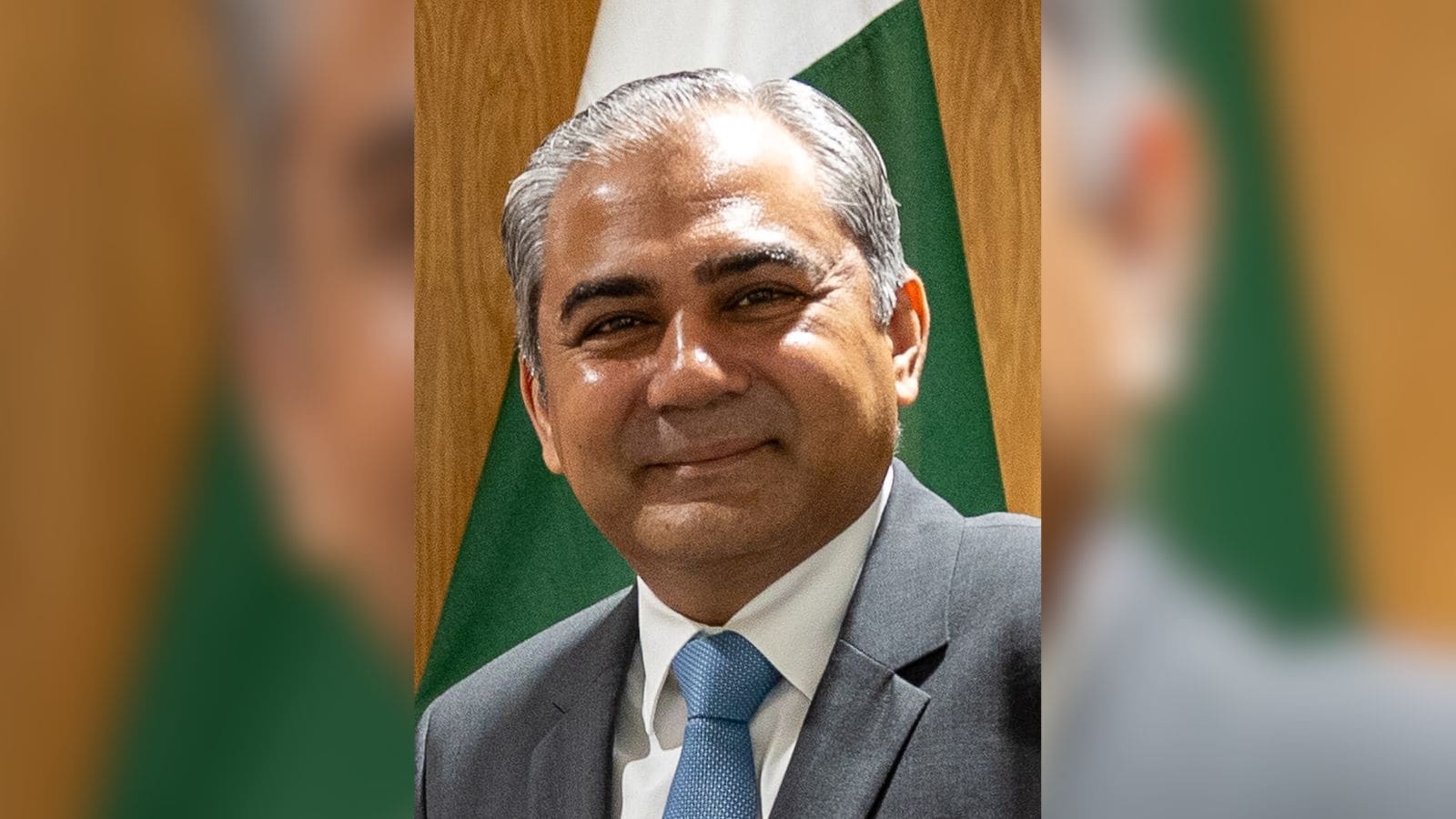
The international press core is chasing a ghost again.
Every time a Pakistani diplomat boards a plane to Tehran, mainstream analysts dust off the same tired headline. They spin a narrative about Islamabad acting as a vital bridge, a regional mediator, or the secret key to unlocking the frozen Iran-US nuclear dialogue. It is a comforting story. It suggests order, diplomatic leverage, and strategic relevance.
It is also entirely wrong.
The lazy consensus surrounding the Pakistani minister’s recent visit to Iran misreads the fundamental mechanics of Middle Eastern geopolitics. Pakistan is not a mediator in this equation. It cannot be. To view Islamabad as an influential broker between Washington and Tehran is to misunderstand the severe economic constraints binding Pakistan, the architectural reality of Iranian foreign policy, and the brutal logic of US sanctions.
Stop looking at these diplomatic photo-ops as a prelude to a breakthrough. They are a performance designed for domestic consumption and regional posturing, masking a harsher reality of economic paralysis and diplomatic irrelevance.
The Illusion of the Pakistani Bridge
The premise of the mainstream analysis is flawed from the jump. It assumes that because Pakistan shares a 900-kilometer border with Iran and maintains a security alliance with the United States, it possesses the diplomatic capital to pull both sides to the table.
I have watched regional analysts peddle this fiction for over a decade. They point to past backchannel initiatives and assume the same playbook applies today. They miss the structural decay in Pakistan's own leverage.
True mediation requires two things: economic independence and strategic trust from both adversarial parties. Pakistan currently possesses neither.
- The Debt Trap Clog: Pakistan's economy is on life support, sustained by repeated International Monetary Fund (IMF) bailouts and bilateral loans from Gulf states. You cannot act as an independent broker when your national budget depends on the goodwill of Washington’s closest allies in Riyadh and Abu Dhabi.
- The Sanctions Sword: The US explicitly uses the Countering America's Adversaries Through Sanctions Act (CAATSA). Islamabad knows that any real economic convergence with Tehran risks triggering secondary US sanctions that would instantly collapse its fragile financial system.
When a Pakistani minister visits Tehran, they are not carrying a secret dossier of concessions from Washington. They are managing a volatile border, begging for cheap electricity imports that do not trigger US penalties, and attempting to stall the long-delayed Iran-Pakistan (IP) gas pipeline project without incurring billions in contractual fines. It is a defensive survival strategy, not a grand diplomatic offensive.
The Defunct IP Pipeline is the Real Story
Mainstream reporting loves to gloss over the hard infrastructure data in favor of vague political rhetoric. If you want to understand the limits of this relationship, look at the concrete—or lack thereof.
The Iran-Pakistan gas pipeline project, signed in 2009, was supposed to be a bilateral triumph. Tehran spent over $1 billion to complete its side of the pipeline to the Pakistani border. Pakistan, paralyzed by the fear of US sanctions, has left its side unbuilt for fifteen years.
Iran-Pakistan Pipeline Status:
--------------------------------------------------
Iranian Section:   100% Completed (Invested $1B+)
Pakistani Section: 0% Completed (Paralyzed by Sanctions Fear)
Potential Fine:    $18 Billion (Tehran's legal leverage)
--------------------------------------------------
Tehran has repeatedly issued ultimatums, threatening to take Islamabad to the international arbitration court in Paris, a move that could hit Pakistan with an $18 billion penalty.
When Pakistani officials sit down with Iranian counterparts, they are trying to avert financial ruin from a broken contract. They are trying to negotiate another waiver, another extension, another delay. Calling this a "fresh push for Iran-US negotiations" is like saying a debtor visiting a bank manager is trying to reform the global monetary system. They are just trying not to get sued.
Tehran Does Not Want a Pakistani Middleman
The second major misconception is that Iran needs Pakistan to talk to the United States. This insults the sophistication of Iranian diplomacy.
Tehran has historically relied on specific, proven channels when it actually wants to communicate with Washington.
- The Omani Channel: Muscat has the institutional memory, the absolute trust of both sides, and the financial autonomy to host high-stakes, quiet negotiations. The Joint Comprehensive Plan of Action (JCPOA) roots trace directly back to secret talks in Oman, not Islamabad.
- The Qatari Channel: Doha has established itself as the financial intermediary, managing the complex asset transfers and prisoner swaps that require massive liquidity and Swiss banking cooperation.
- Direct Swiss Representation: The Swiss Embassy in Tehran has served as the official US letters channel since 1980.
Iran does not use Pakistan for sensitive Western diplomacy because Pakistan's security apparatus is too deeply intertwined with Western intelligence agencies. Tehran knows that any message sent through Islamabad is instantly analyzed, vetted, and potentially compromised by multiple intelligence networks before it even lands in Washington.
Dismantling the Foreign Policy Myth
Let us tackle the standard questions that fill the op-ed pages every time this travel schedule repeats.
Doesn't a stable Pakistan-Iran relationship benefit US interests by preventing regional escalation?
✨ Don't miss: The Pentagon Data Dump and the Illusion of Transparency
This question misunderstands Washington's containment strategy. The United States does not want Pakistan to integrate economically with Iran. A broke Pakistan is a compliant Pakistan. Economic integration via the IP pipeline would provide Iran with a consistent revenue stream and give Pakistan a source of energy independent of Western-aligned supply chains. Washington's policy is not about fostering regional harmony; it is about strict economic isolation of the Iranian regime.
Can't Pakistan leverage its nuclear status to force a seat at the negotiation table?
Absolutely not. Pakistan's nuclear doctrine is explicitly India-centric. Straying into the Middle Eastern nuclear theater by attempting to arbitrate or influence the Iranian nuclear program would invite intense international scrutiny onto Islamabad’s own arsenal. The Pakistani military establishment is hyper-aware of this boundary line and will not cross it.
The Brutal Reality for Investors and Analysts
If you are evaluating regional risk, stop reading the communiqués issued by state media outlets. They are designed to create an illusion of momentum where none exists.
The downside of acknowledging this reality is stark. It means admitting that the diplomatic gridlock in Southwest Asia is structural, deeply entrenched, and immune to superficial regional visits. It means accepting that Pakistan will remain trapped in an energy crisis because it cannot access Iranian gas, and Iran will remain economically isolated because its neighbors are too financially dependent on the West to defy sanctions.
The next time you see a headline claiming Pakistan is restarting the Iran-US dialogue, ignore the commentary. Look at the pipeline. Look at the IMF loan conditions. Look at the Omani flight manifests.
The minister’s visit to Tehran isn’t a sign of a new diplomatic dawn. It is the frantic maneuvering of a state trying to survive between a neighbor it cannot afford to anger and a Western financial system it cannot afford to lose.