In a small, steam-filled cafe in North Tehran, a man named Abbas watches the steam rise from his glass of black tea. He is sixty-four. His hands, calloused from decades of engineering, are steady, but his mind is a riot of calculation. He isn't thinking about blueprints or bridges today. He is thinking about the price of a single egg, which has tripled in a time frame that feels like a blink. He is thinking about his daughter’s asthma inhaler, tucked away in a drawer like a precious heirloom because the imported medication is now a ghost on the shelves of local pharmacies.
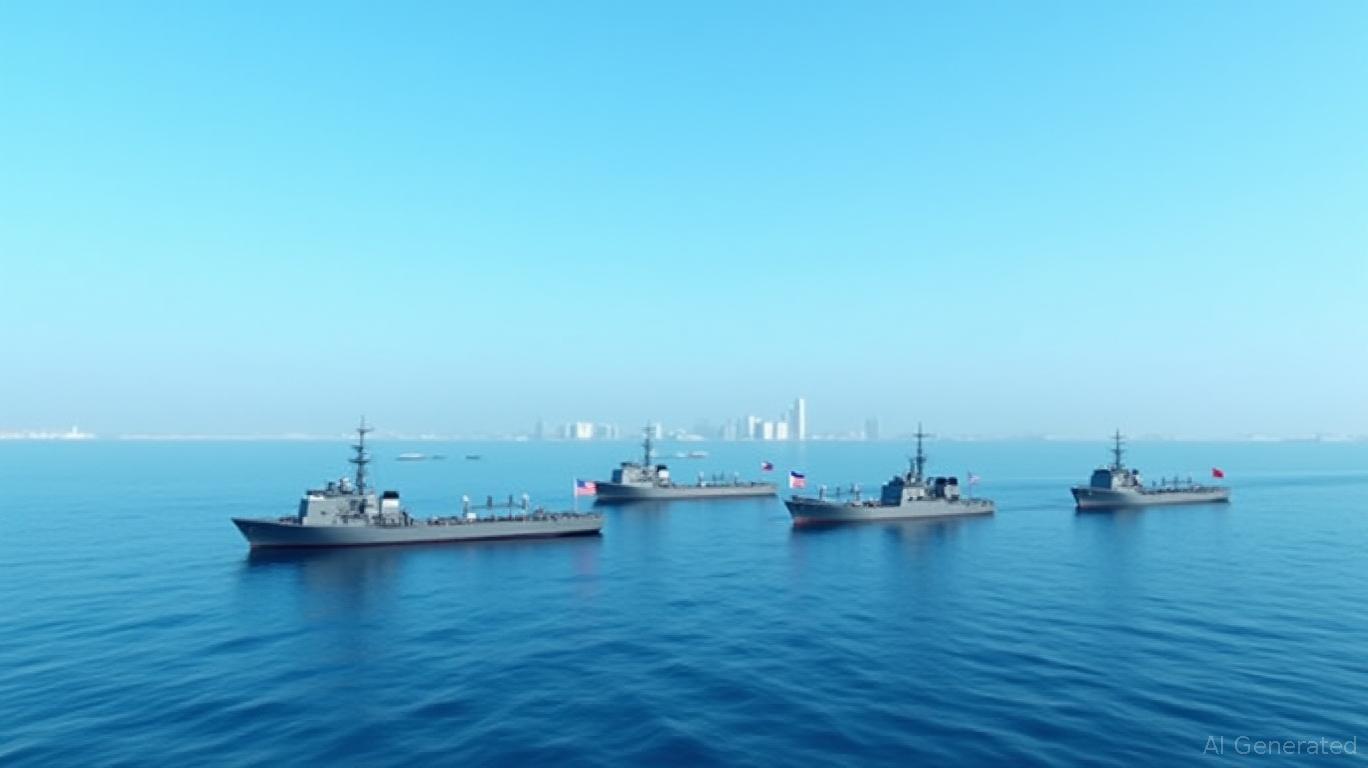
Across the world, in a windowless room in Washington D.C., a policy staffer stares at a digital map of the Strait of Hormuz. Red dots represent tankers. Yellow icons represent naval assets. On the screen, the geopolitical tension is a series of cold, mathematical variables. To the staffer, Iran is a "problem set" involving enrichment percentages and regional proxies. To Abbas, the "problem set" is the quiet desperation of a retirement fund that has evaporated into the ether of inflation.
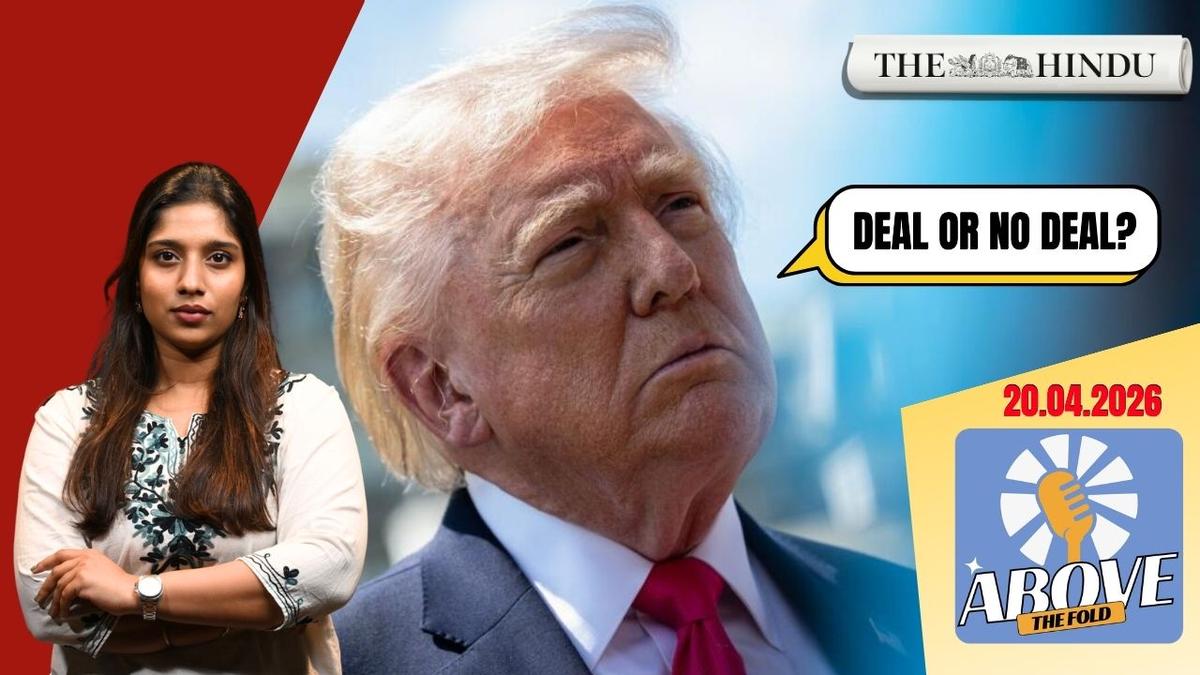
These two worlds—the lived reality of the bazaar and the strategic maneuvering of the Situation Room—are separated by more than just seven thousand miles. They are separated by a decades-old wall of mutual exhaustion. Every time a headline asks if these two nations can find a middle ground, it treats the situation like a game of checkers. It isn't checkers. It is a house on fire where both owners are arguing over who left the stove on while the floorboards turn to ash.
The Weight of the Ghost
The relationship between the United States and Iran is haunted. There is no other word for it. When American diplomats look at Tehran, they see the 1979 hostage crisis—a wound that remains unhealed in the collective psyche of the U.S. foreign policy establishment. When Iranians look at Washington, they see the 1953 coup that toppled a democratically elected prime minister, and they see the "maximum pressure" campaigns that they feel target the lungs of the common citizen rather than the heart of the government.
Consider the metaphor of a broken mirror. Both sides are holding a shard. They are looking at the same reflection, but the edges are jagged, and everyone is bleeding.
For the U.S., the primary "middle ground" requires a guarantee that Iran will never obtain a nuclear weapon. This is the non-negotiable baseline. For Iran, the middle ground requires a guarantee that they can breathe—economically, socially, and politically—without the constant threat of a sudden policy pivot every four or eight years.
The tragedy of the 2015 nuclear deal (the JCPOA) wasn't just its eventual collapse. It was the fact that it proved the "middle ground" is a moving target. When the U.S. withdrew in 2018, it didn't just kill a contract. It killed the concept of trust for an entire generation of Iranian pragmatists. Now, when a diplomat sits down at a mahogany table in Vienna or Doha, they aren't just negotiating about centrifuges. They are negotiating against the fear of being humiliated again.
The Invisible Stakes of the Centrifuge
We often hear about the "breakout time." It sounds like a term from a heist movie. In reality, it is a clinical measurement of how long it would take for Iran to produce enough weapons-grade uranium for a single bomb. Currently, that clock is ticking faster than it has in years.
But focus too much on the clock, and you miss the people winding it.
The Iranian leadership views the nuclear program as more than a weapon; they view it as leverage—the only thing keeping them from the fate of leaders in Libya or Iraq who gave up their unconventional programs and eventually lost everything. It is their armor. Meanwhile, for the U.S., that armor looks like an existential threat to its allies in the region, particularly Israel and the Gulf states.
So, how do you ask a man to take off his armor while you are still holding a sword?
And how do you put down the sword when the man in the armor is funding groups that are actively swinging at your friends?
This is the deadlock. It’s not just a disagreement over numbers. It’s a disagreement over survival. The "middle ground" would require a simultaneous surrender of both the sword and the armor, a feat of political acrobatics that few leaders are brave enough to attempt when their domestic hardliners are watching from the wings.
The Human Cost of High-Stakes Poker
Step away from the uranium for a moment and look at the hospital beds.
Economic sanctions are designed to be "surgical." They are supposed to target the elite, the Revolutionary Guard, and the financial arteries of the state. But sanctions are rarely scalpels; they are bludgeons. When a country's banking system is disconnected from the world, the first things to disappear aren't the luxury cars of the powerful. It’s the specialized parts for civilian airplanes. It’s the chemicals needed to produce life-saving oncology drugs.
Imagine being a mother in Isfahan. Your child has a rare blood disorder. You have the money—technically—but the pharmacy can’t process the payment to the supplier in Germany because of a secondary sanction that scares every bank in Europe. You are told that "humanitarian goods" are exempt. You realize very quickly that an exemption on paper is useless if no one is willing to sign the shipping manifesto.
This is the emotional core that D.C. often fails to calculate. Every day that the "middle ground" remains undiscovered, the resentment in the streets of Iran shifts. It shifts away from a desire for Western-style reform and toward a hardened, weary anger at a global system that feels rigged against the innocent.
The Shadow of the Third Party
Middle ground is also hard to find when the table is crowded. The U.S. and Iran aren't in a vacuum.
China is waiting.
Russia is watching.
For Tehran, the "Look to the East" policy isn't just a slogan; it’s a life raft. If the U.S. won't buy their oil, Beijing will—at a discount, sure, but it’s enough to keep the lights on. This creates a psychological cushion for the Iranian government. Why should they make painful concessions to Washington when they can find a silent partner in the East who doesn't lecture them about human rights or enrichment levels?
This geopolitical shift makes the American leverage feel less like a vise and more like a nuisance. It complicates the middle ground because the "middle" has shifted toward the Pacific. The U.S. is no longer the only game in town, and the Iranian leadership knows it.
The Language of the Unspoken
If you listen closely to the rhetoric from both capitals, you’ll notice a strange symmetry. Both sides claim they want peace. Both sides claim they are reacting to the "aggression" of the other.
In Washington, the talk is of "de-escalation." In Tehran, the talk is of "dignity."
These words are not synonyms. De-escalation is a technical term; it means lowering the temperature to avoid a hot war. Dignity is a moral term; it means being treated as an equal, a sovereign power with a history that spans millennia, rather than a rogue state that needs to be "managed."
Finding middle ground requires a translation of these two languages. It requires Washington to understand that for Iran, "security" is tied to their identity as a regional power that won't be bullied. It requires Tehran to understand that for the U.S., "security" is tied to a predictable international order where nuclear proliferation isn't a wildcard.
But how do you build a bridge when both sides are convinced the other is holding a match?
The Smallness of the Steps
Real change between these two giants likely won't come from a grand, sweeping treaty signed on a lawn with a dozen pens. The scars are too deep for that. The "middle ground" isn't a destination; it's a series of small, incredibly difficult steps that feel like failure to the extremists on both sides.
It looks like "frozen for frozen"—Iran stops enriching to 60 percent, and the U.S. allows a few billion dollars in frozen oil assets to be used strictly for food and medicine. It’s unsexy. It’s incremental. It’s a deal that nobody likes but everyone can live with.
It’s the "middle ground" of the exhausted.
Think back to Abbas in the cafe. He doesn't care about the intricacies of the NPT (Non-Proliferation Treaty). He doesn't care about the nuances of the "snapback" mechanism. He wants to know if he can afford his rent next month. He wants to know if he can see his grandchildren without wondering if a regional war will break out before their next birthday.
The silence between D.C. and Tehran is loud, filled with the ghosts of 1953, 1979, and 2018. But beneath that noise is a simple, human truth: there are millions of people who are tired of being the collateral damage of a staring contest that has lasted nearly half a century.
The middle ground isn't a map or a document. It’s the space where the policymakers finally realize that the person on the other side of the screen isn't just a red dot or a strategic variable.
They are a man with a glass of tea, watching the steam disappear into a room that is growing colder by the day.