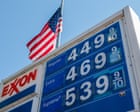
Governments love a good photo op involving the Strategic Petroleum Reserve. When gas prices spike, politicians scramble to announce they’re releasing millions of barrels of oil to save your wallet. It sounds like a massive win for the average driver. In reality, it’s often a drop in the bucket that barely nudges the needle at the pump. If you think a release from the reserves is going to slash fuel costs significantly, you’re looking at the wrong part of the supply chain.
The math just doesn't add up for a major price drop. Global oil consumption sits at roughly 102 million barrels every single day. When a government announces a release of, say, 30 million barrels over a month, they’re adding about 1 million barrels a day to the global market. That's a 1% increase in supply. Economics tells us that more supply should lower prices, but a 1% shift doesn't stand a chance against geopolitical instability, refining bottlenecks, or the sheer momentum of global demand.
The Refinery Bottleneck Nobody Mentions
Crude oil isn't what goes into your car. You need gasoline or diesel. This is where the "release the reserves" strategy hits a wall. Even if we flooded the market with raw crude, we can only turn it into fuel as fast as refineries allow. Right now, global refining capacity is stretched thin. Many refineries closed during the 2020 downturn and never reopened. Others are undergoing maintenance or shifting to biofuels.
If refineries are already running at 95% capacity, adding more crude oil to the pile doesn't help. It's like trying to pour more water into a funnel that's already full. The water just backs up. In this scenario, the price of crude might drop slightly, but the price of gasoline stays high because the "manufacturing" part of the process is the actual constraint. You’re paying for the scarcity of the refined product, not just the raw material.
Psychological Warfare vs Economic Reality
Releasing oil from the Strategic Petroleum Reserve (SPR) is often more about psychology than chemistry. Central banks and governments use these announcements to signal to speculators that they’re willing to intervene. It’s a way of saying, "Don't bet on prices going to the moon."
Sometimes this works for a few days. Traders see the headline, panic slightly, and sell off some contracts. You might see a five-cent drop at your local station. Then, the market realizes the fundamental supply-demand gap hasn't actually changed. The price creeps back up. It’s a temporary band-aid on a structural wound.
Why the SPR Exists in the First Place
We need to remember why these stockpiles were built. The U.S. created the SPR after the 1973-74 oil embargo. It wasn't meant to manage the weekly price of a gallon of regular. It was designed for "severe energy supply interruptions." Think natural disasters, wars that cut off major shipping lanes, or total export bans.
Using it to shave a few cents off gas prices during an election year or a period of high inflation is a relatively new and controversial tactic. Critics argue it leaves the country vulnerable. If a genuine catastrophe happens—like a major hurricane hitting the Gulf Coast refining hub—and the reserve is already depleted from trying to manage inflation, we're in real trouble.
The Global Interconnection Trap
Oil is a global commodity. If the U.S. releases oil, but OPEC decides to cut production by an equal amount, the net effect is zero. In the past few years, we've seen this exact tug-of-war. Washington drains the reserves to lower costs, and Riyadh pulls back on production to keep prices high.
You also have to consider where that oil goes. There's no law saying oil released from a national reserve must stay in that country. It’s sold to the highest bidder. Frequently, that oil ends up being exported to Europe or Asia. While this helps the total global supply, it doesn't provide the direct, local relief that many people expect when they hear the news.
What Actually Drives the Price You Pay
If you want to know why your gas bill is high, stop looking at the SPR and start looking at these four factors.
- Crude Oil Costs: Roughly 50% to 60% of the price of gasoline is the cost of the raw crude.
- Refining Costs: This fluctuates based on season and capacity. Summer blends are more expensive to make.
- Distribution and Marketing: Getting the fuel from the refinery to the station via pipelines and trucks.
- Taxes: Federal and state taxes are a fixed cost that doesn't care if oil is $40 or $140 a barrel.
When a reserve release happens, it only touches that first 50%. The rest of the costs remain locked in or are even rising due to labor shortages and high electricity prices for the refineries.
The Long Term Cost of Short Term Fixes
Every barrel taken out of the reserve eventually has to be put back. This creates a weird "floor" for future prices. The government becomes a massive buyer when prices dip, which prevents the price from falling as far as it might have otherwise. By trying to lower prices today, the government effectively guarantees it will prop them up tomorrow.
It’s a cycle that rarely benefits the consumer in the long run. We're essentially borrowing "cheap" oil from our future selves.
Watching the Right Signals
Don't get distracted by the headlines about millions of barrels. Instead, watch the refining margins, often called the "crack spread." That tells you how much profit refineries are making. If that spread is high, gas prices will stay high regardless of what's happening with the reserves.
Also, keep an eye on capital expenditure in the oil sector. For years, companies have been under-investing in new production because of pressure to transition to green energy. This lack of new "long-cycle" projects means the supply side is brittle. A reserve release can't fix a decade of low investment.
Take Control of Your Own Energy Costs
Since you can't rely on government stockpiles to save you money, look at the variables you can actually change. Fuel efficiency isn't just about what car you drive; it's about how you drive it. Aggressive braking and acceleration can lower your gas mileage by 30% on the highway.
Check your tire pressure. It sounds like something your dad would nag you about, but under-inflated tires increase rolling resistance and kill your MPG. Use apps to track the price spread in your neighborhood. Often, a station just two blocks away is 20 cents cheaper because it's not right off the highway. These small, manual adjustments do more for your monthly budget than a 30-million-barrel release ever will. Stop waiting for a macro-economic miracle and start managing your own micro-economy.