The Myth of the "No"
The mainstream media is currently obsessing over a spreadsheet. They see two rejected flight requests from the United States and three approvals, and they call it "Swiss hesitation" or "diplomatic friction." They are looking at the scoreboard while ignoring the game.
Switzerland isn't hesitating. Switzerland is practicing the most ruthless form of brand management on the planet.
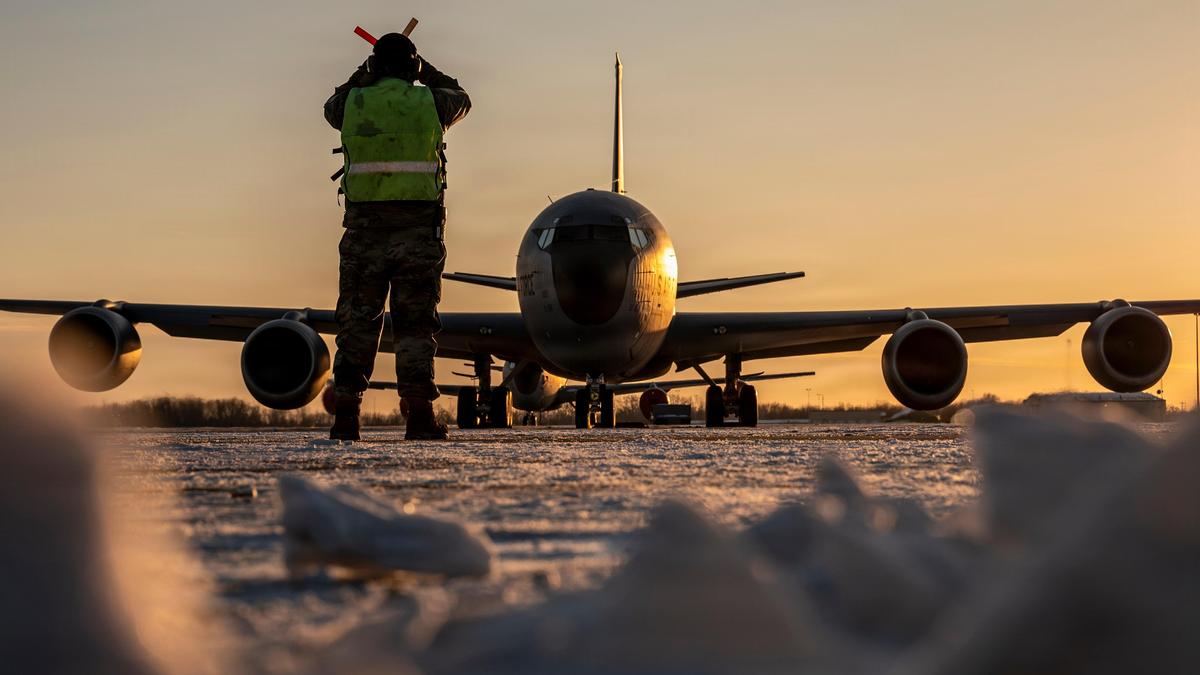
When the Swiss Federal Council denies a U.S. military aircraft access to its airspace, it isn't a sign of a decaying relationship or a shift toward an anti-Western stance. It is a calculated reinforcement of the only asset the country has: its status as the world’s most exclusive "neutral" gatekeeper. In a world where every nation is forced to pick a side in a binary geopolitical conflict, Switzerland’s power comes from being the only entity that can say "no" to the world's superpower and have that "no" respected.
Sovereignty is a Product, Not a Sentiment
Most analysts treat neutrality like a dusty 19th-century relic—a security blanket for a small nation afraid of its larger neighbors. That is a fundamental misunderstanding of the Swiss business model.
Neutrality is a high-margin service.
I’ve watched diplomats and corporate fixers navigate these waters for years. The "lazy consensus" suggests that Switzerland is under immense pressure to conform to NATO standards or EU mandates. The reality? The moment Switzerland becomes "just another Western ally," its value proposition vanishes.
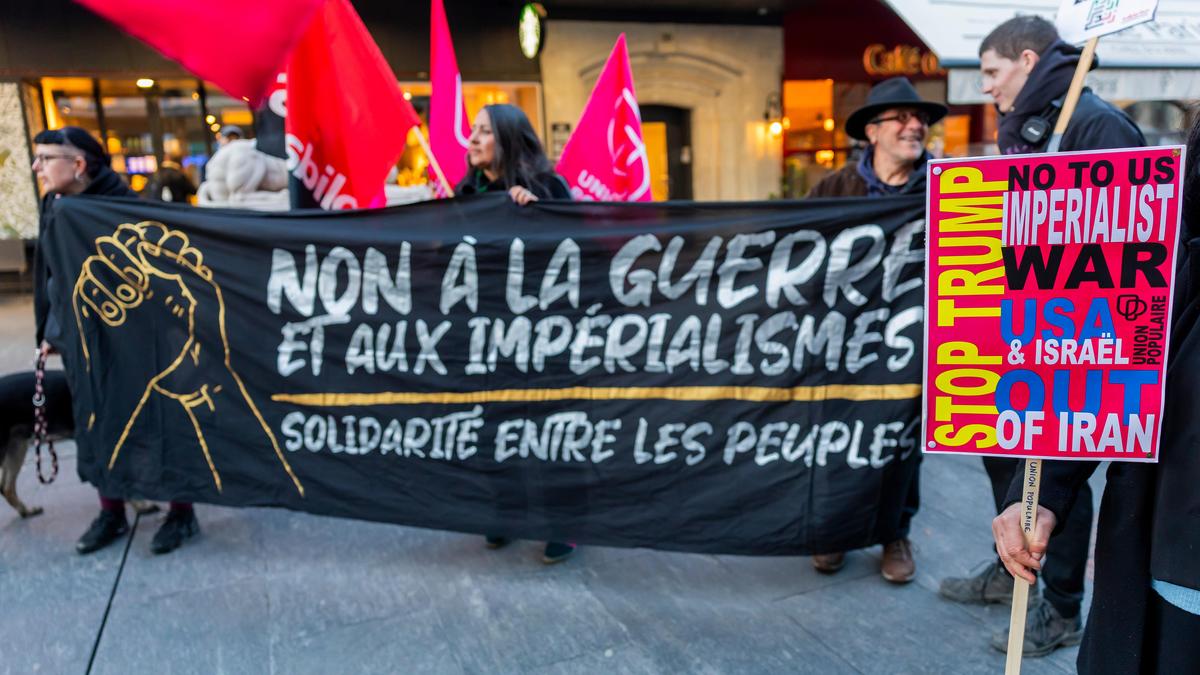
Why do the world's most sensitive negotiations happen in Geneva? Why is the Swiss franc the ultimate hedge? Because the world knows that the Swiss government isn't a puppet for the Pentagon. By rejecting two flyover requests related to the Iran conflict, the Swiss are signaling to the rest of the world—specifically the non-Western bloc—that Swiss soil (and air) remains a "safe zone."
The Math of the Rejection
Let’s look at the mechanics of these decisions. The Swiss didn't flip a coin. They applied the Federal Law on War Material and the Hague Convention with surgical precision.
The three permitted flights were likely transport or medical missions—logistics that don't directly facilitate combat operations. The two rejections were almost certainly tied to direct kinetic support or intelligence gathering that would have violated the strict definition of "neutrality in an armed conflict."
This isn't about being difficult. It’s about maintaining a legal firewall. If Switzerland allows a combat-related U.S. flight to cross its Alps, it legally becomes a co-belligerent. Once you lose that legal shield, you lose the ability to act as a mediator. You lose the seat at the table when the shooting stops and the rebuilding—and the banking—begins.
The Cost of Compliance
The "experts" will tell you that Switzerland is risking its security by "annoying" Washington. This is nonsense.
The U.S. needs a neutral Switzerland more than it needs two extra flight paths over the Alps. Washington needs a place where it can talk to adversaries without the cameras rolling. It needs a credible third party to handle "protecting power" mandates, like the Swiss do for U.S. interests in Iran.
If Switzerland were to fold and become a "seamless" partner in every U.S. military endeavor, the U.S. would lose its most valuable backchannel. The "no" actually preserves the utility of the relationship.
Why You’re Asking the Wrong Questions
People are asking: "Is Switzerland moving away from the West?"
The real question is: "How much is the West willing to pay to keep a neutral ground?"
In the intelligence and diplomatic sectors, we see this play out constantly. A "no" today is a "maybe" for a high-stakes summit tomorrow. By denying these flyovers, the Swiss have actually increased their leverage for the next round of tax transparency or banking regulation talks with the U.S. Treasury.
The Swiss Hegemony of Peace
We are taught that power comes from the ability to project force. The Swiss prove that power comes from the ability to refuse the projection of force.
When you look at the map, Switzerland is a tiny dot surrounded by NATO. Geographically, it’s an island in a pro-Western sea. But strategically, it is the only nation that has figured out how to weaponize "staying out of it."
Every time a Swiss bureaucrat stamps "REJECTED" on a Pentagon flight plan, the value of a Swiss passport, a Swiss bank account, and a Swiss-hosted peace talk goes up. They aren't being stubborn; they are being profitable.
Stop Waiting for the "Pivot"
The media will keep waiting for Switzerland to "choose a side." They will frame every rejected flight as a crisis. They are wrong.
The Swiss have no intention of joining the fray. They are the house in a world of gamblers. The house doesn't care who wins the hand; the house cares that everyone keeps playing at their table.
If you want to understand the future of global diplomacy, stop looking at who is sending missiles and start looking at who is refusing to let them fly overhead.
The next time you see a headline about Swiss "obstruction," realize you are looking at a masterclass in sovereign branding. They aren't stopping a war; they are making sure they are the only ones left standing to handle the paperwork when it's over.
Go check the exchange rate for the CHF. Then tell me the Swiss don't know exactly what they're doing.