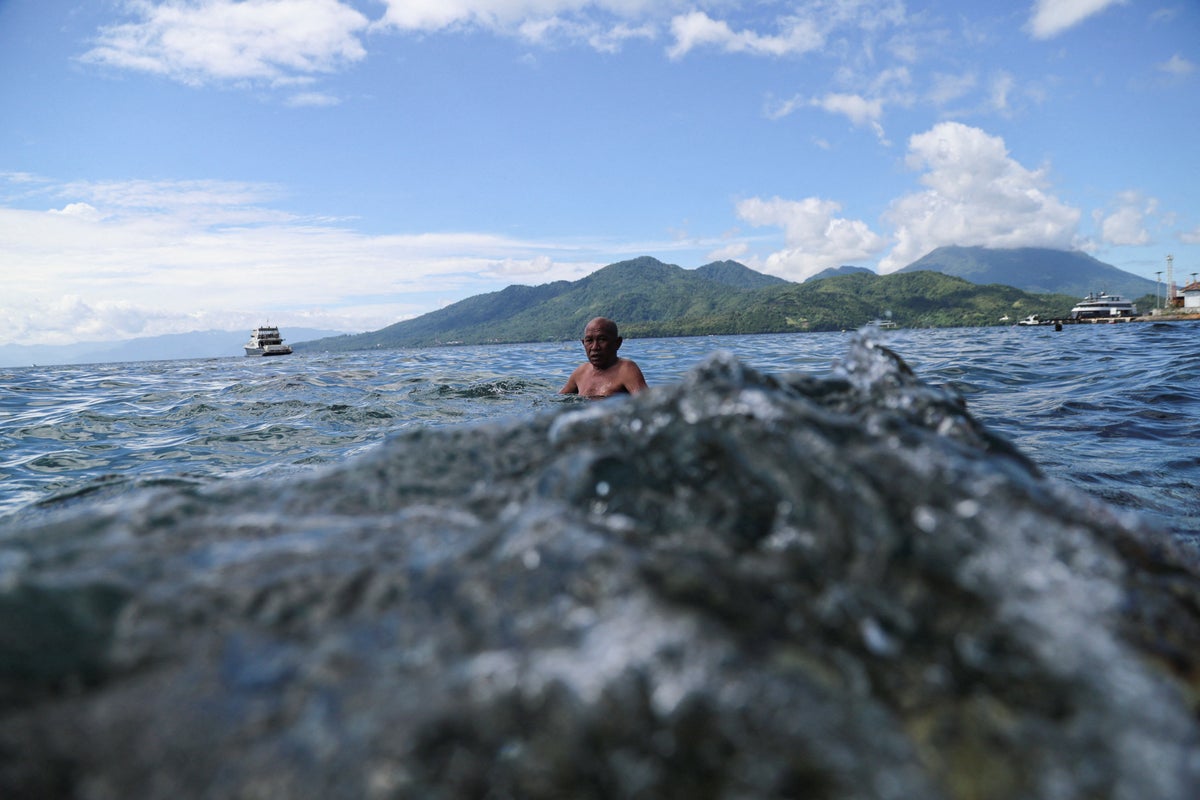
You are standing in waist-deep water, enjoying the surf, when you notice the beach is suddenly moving away from you. Fast. You try to take a step forward, but your feet can't find purchase on the sand. You try to swim directly back toward your beach towel, but despite swimming with everything you have, you are actually losing ground.
Panic sets in. Your heart hammers against your ribs. Learn more on a connected topic: this related article.
You have just been caught in a rip current. It is the number one hazard for beachgoers, accounting for over 80% of rescues handled by surf lifeguards according to the United States Lifesaving Association. Every year, dozens of people die because they make the exact same instinctive mistake. They try to fight the ocean head-on.
If you get sucked out to sea by a rip current, you can survive by executing a few highly specific, counter-intuitive moves. Here is what actually happens out there and how to make it back to dry land. Additional reporting by National Geographic Travel delves into related views on the subject.
Why You Get Sucked Out to Sea
A rip current is not an "undertow." It will not pull you underwater. It is essentially a fast-moving river of water rushing away from the shoreline, slicing through the incoming waves.
When waves break on a beach, they push a massive volume of water up onto the sand. That water has to go somewhere to get back out. It looks for the path of least resistance, which is usually a deeper channel in the sandbar or a gap between structures like jetties or piers. The water collects in these channels and surges back out to sea like an open fire hydrant.
These currents can move incredibly fast. The National Oceanic and Atmospheric Administration notes that rip currents can reach speeds of up to eight feet per second. To put that in perspective, that is faster than an Olympic swimmer can sprint. You cannot outswim it by going straight back to shore. Thinking you can is a fatal error.
The Counter Intuitive Survival Sequence
If you feel that steady, powerful pull dragging you away from the sand, stop paddling. Do not panic. The current will not pull you under, and it will not carry you across the entire ocean. It usually terminates just past the line of breaking waves.
Float and Assess
Your primary enemy is exhaustion, not the water itself. Flip onto your back and float. Let the current carry you. By conserving your energy, you buy yourself precious minutes to breathe, calm your mind, and map out your escape path.
Swim Parallel to the Shore
Once you are stable and calm, look at the shoreline. Do not swim toward it. Instead, pick a direction to your left or right and swim parallel to the beach. Rip currents are typically narrow, often less than 100 feet wide. By swimming sideways, you will quickly step out of the conveyor belt of rushing water.
Angle Back to the Beach
Once you feel the pull subside and you notice waves breaking normally around you, you are out of the main channel. Now you can begin your journey back. Angle diagonally away from the current and toward the shore, using the incoming waves to help push you back to safety.
Spotting the Trap Before You Step In
The best way to survive a rip current is to never get stuck in one. Ironically, the area where a rip current forms often looks like the safest, calmest spot to swim because waves are not actively breaking there.
Look for these distinct visual clues before changing into your swimsuit
- A noticeable gap in the incoming wave lines where the water looks flat or rippled
- A channel of choppy, churning, or foamy water moving steadily away from the coast
- Water that looks significantly darker or cloudier than the surrounding area due to churned-up sand and debris
- Lines of seaweed or foam floating out to sea
If you see a zone on the beach that matches these descriptions, stay clear. It is a trap.
The Floating Lifesaver Strategy
If you are not a strong swimmer, or if you find yourself getting tired while trying to swim parallel to the beach, change your strategy entirely. Just stay on your back and float.
Many rip currents are cyclical or circular. They travel out past the sandbar, slow down, and then fan out, sometimes sweeping back toward the beach in a giant loop. By simply staying afloat and keeping your head above water, you give lifeguards time to spot you and launch a rescue jet ski or board. Signal for help by flipping onto your back, raising one arm straight up into the air, and yelling.
Never go into the ocean alone, and always prioritize swimming on beaches guarded by professional lifesavers. If you see someone else get caught in a rip current, do not blindly jump in after them without a flotation device. Toss them a cooler, a boogie board, or a life jacket, and call 911 immediately to get professional rescue teams on the scene.