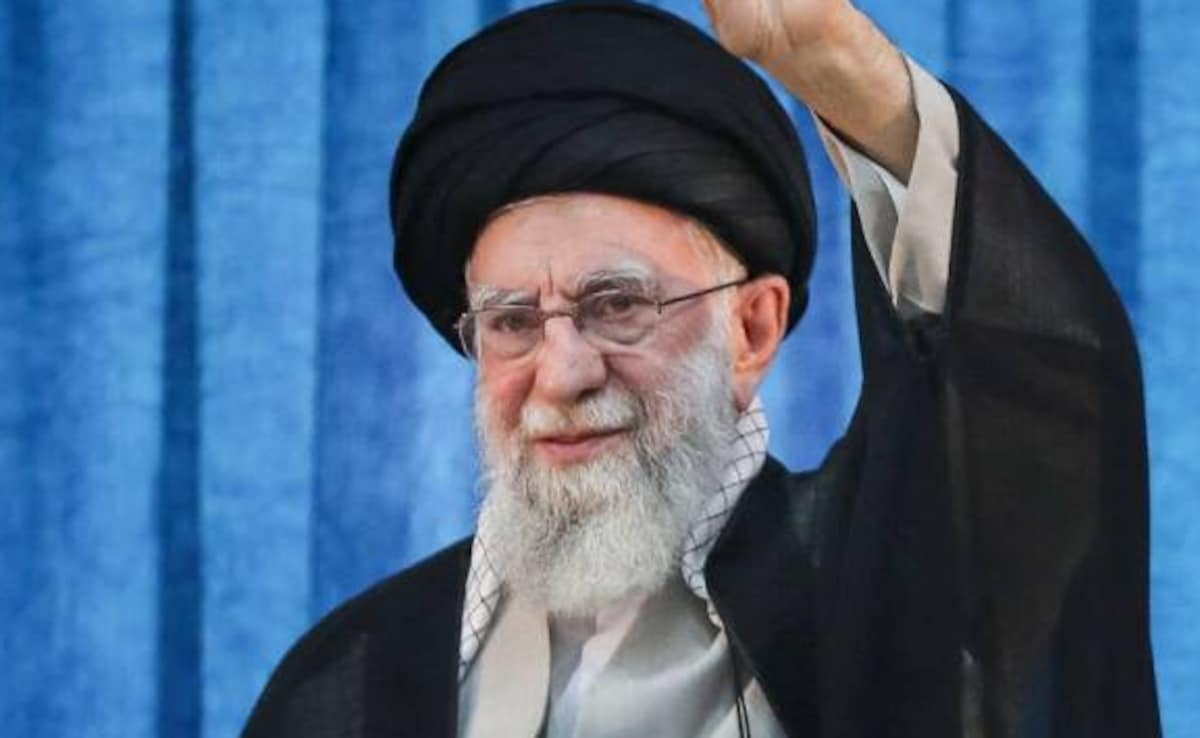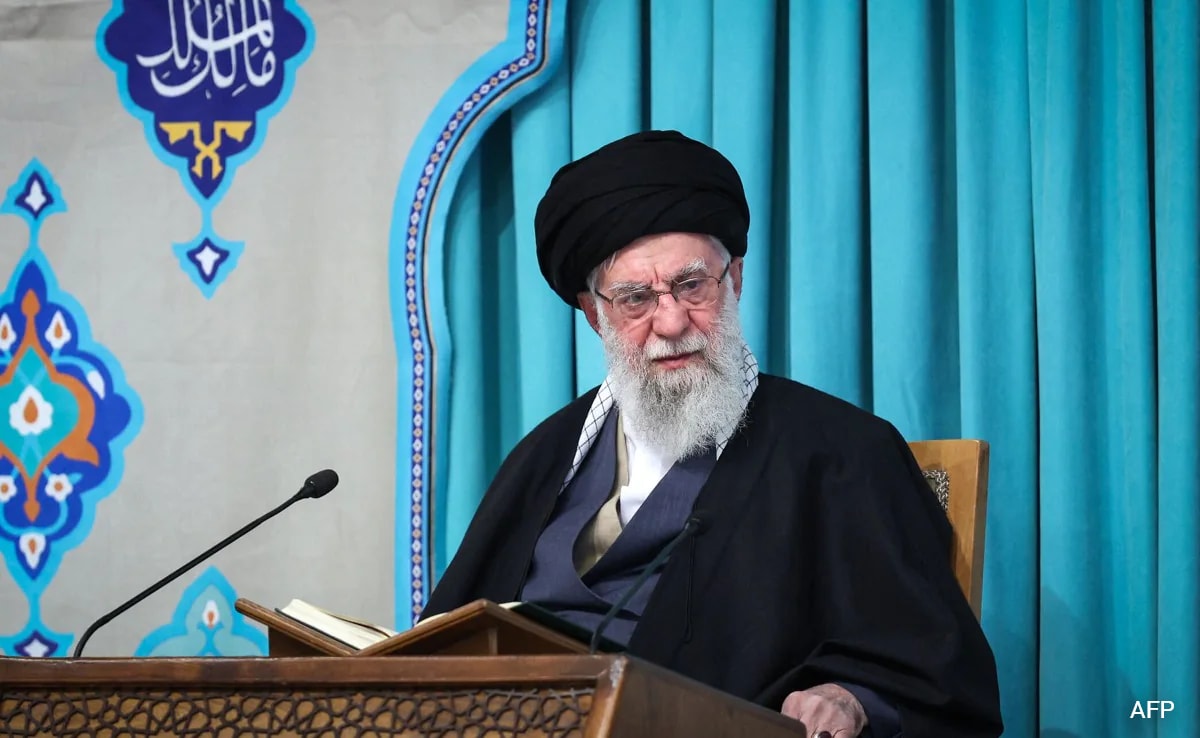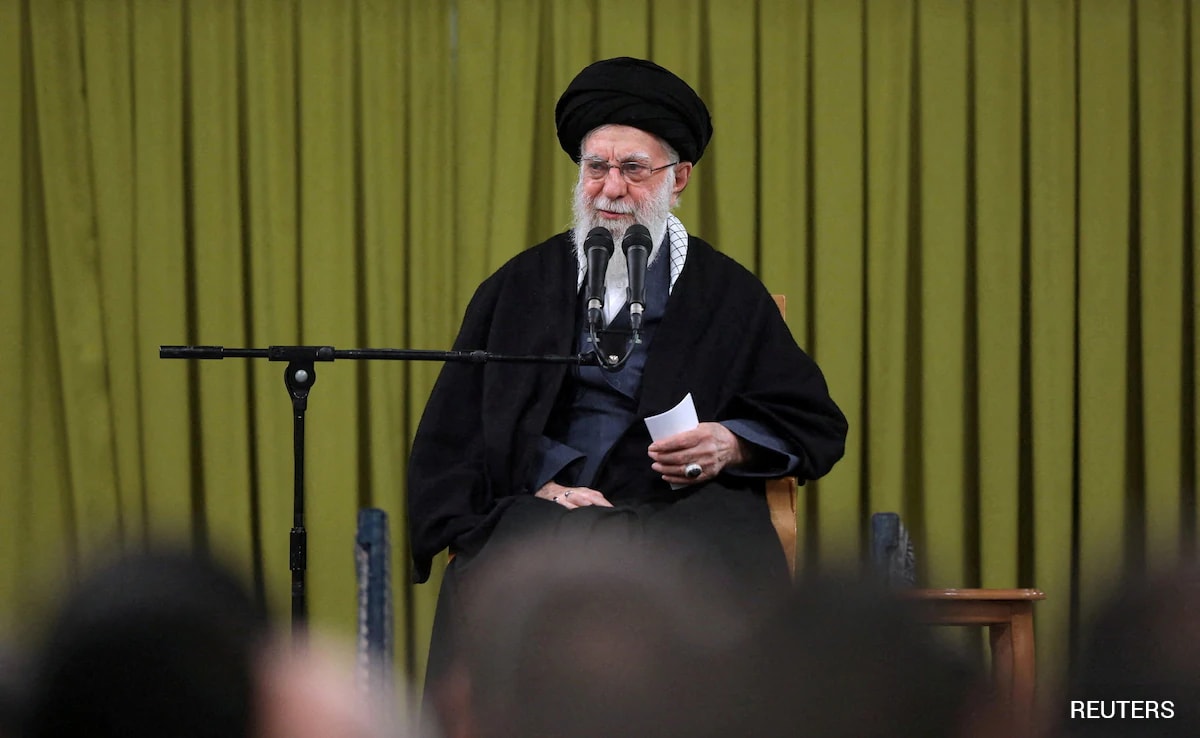
Ali Khamenei was never supposed to be the guy. If you looked at the landscape of Iranian politics in 1979, he wasn't the charismatic firebrand or the undisputed theological heavyweight. He was a middle-ranking cleric with a penchant for poetry and a quiet demeanor that many mistaken for weakness. Yet, decades later, he sits atop a complex, often brutal power structure as the longest-serving head of state in the Middle East.
Most people get the story of his rise wrong. They think it was a straight line or a preordained crowning. It wasn't. It was a masterclass in bureaucratic survival and the slow, methodical co-opting of the military. He didn't just inherit power; he rebuilt the office of the Supreme Leader to fit his own need for control.
The President with No Power
In the early 1980s, the Iranian presidency was a hollow shell. Khamenei held the role, but he was constantly sidelined. The real power lived with Ayatollah Khomeini and a shifting circle of revolutionary elites. Khamenei often clashed with Mir-Hossein Mousavi, his own Prime Minister. He wanted to steer the economy and the war effort against Iraq, but he lacked the constitutional teeth to do it.
He was often viewed as a "weak president." He didn't have a massive personal militia. He didn't have the "Grand Ayatollah" status that traditionally commanded the blind loyalty of the Shiite masses. Critics and peers saw him as a bridge-builder at best and a placeholder at worst. They were wrong. Those years of being sidelined taught him exactly where the levers of power were hidden. He learned that to rule Iran, you don't need to be loved by everyone. You just need to be indispensable to the right people.
The 1989 Power Shift that Changed Everything
When Khomeini died in 1989, the Islamic Republic faced an existential crisis. The designated successor, Hussein-Ali Montazeri, had been ousted for being too critical of the regime’s human rights abuses. This left a vacuum. Khamenei was the compromise candidate, pushed heavily by Akbar Hashemi Rafsanjani, a political kingmaker who thought he could control Khamenei from behind the scenes.
There was a massive catch. Khamenei wasn't a Marja—a high-ranking religious authority qualified to lead. The assembly literally had to change the constitution to lower the religious requirements so he could take the job.
Rewriting the Rules of God and State
This moment is vital. It signaled that in the new Iran, political loyalty mattered more than religious scholarship. Khamenei knew his theological credentials were thin. To compensate, he stopped trying to out-preach the senior clerics in Qom. Instead, he started building a shadow government. He turned the Office of the Supreme Leader (the Beit-e Rahbari) into a massive nerve center that oversees the military, the media, and the multi-billion dollar religious foundations known as bonyads.
Why the IRGC is His Secret Weapon
You can't talk about Khamenei’s power without talking about the Islamic Revolutionary Guard Corps (IRGC). This is where he truly outmaneuvered his rivals. While other politicians were bickering in parliament, Khamenei spent thirty years making himself the IRGC's biggest patron.
He gave them more than just guns. He gave them a massive slice of the Iranian economy. Today, the IRGC isn't just a military wing; it's a corporate conglomerate. They build dams, run telecommunications, and manage ports. Because their wealth and legal immunity flow directly from the Supreme Leader, their loyalty is ironclad.
This alliance turned a "weak president" into a commander-in-chief with a private army that answers to no one else. When protests erupted in 2009, 2019, and 2022, it wasn't the regular police that the regime relied on to survive. It was this specific structure Khamenei spent decades refining.
Managing the Factions
Khamenei’s survival strategy is basically a permanent balancing act. He lets different political factions—reformists, conservatives, and hardliners—fight each other in the public eye. He stays above the fray, acting as the final arbiter.
When things go well, he takes the credit. When things go poorly—like the economic fallout from sanctions or failed diplomatic deals—he blames the "ineptitude" of the sitting president or "foreign enemies." It's a brilliant, if cynical, way to maintain authority while dodging accountability. He’s survived several US administrations, internal uprisings, and regional wars by being the most patient man in the room.
The Myth of the Moderate
Foreign observers often fall into the trap of looking for "moderates" within his circle. It's a waste of time. Khamenei has shown time and again that he views flexibility as a precursor to collapse. He looks at the fall of the Soviet Union and sees Mikhail Gorbachev’s reforms as a cautionary tale. To Khamenei, giving an inch means losing the whole mile. That's why his rhetoric has only hardened as he's aged.
Understanding the Succession Game
The big question now isn't just how he stayed in power, but who comes next. The system he built is so centered on his personal networks that many fear it'll fracture without him. He’s spent years grooming the next generation of hardliners, ensuring that whoever follows him is even more ideologically rigid.
If you want to understand Iran's trajectory, stop looking at the President. The President is a middle manager. Look at the appointments Khamenei makes to the Guardian Council and the heads of the bonyads. That's where the real power lives.
To get a clearer picture of how this impacts global oil prices and regional security, you should track the weekly sermons in Tehran and the appointments within the IRGC's intelligence wing. Those are the early warning signs of a shift in strategy. Don't wait for official government press releases; by then, the decision was made weeks ago in the halls of the Beit-e Rahbari. Watch the money trails of the religious foundations. That's where the next Supreme Leader is likely being funded right now.