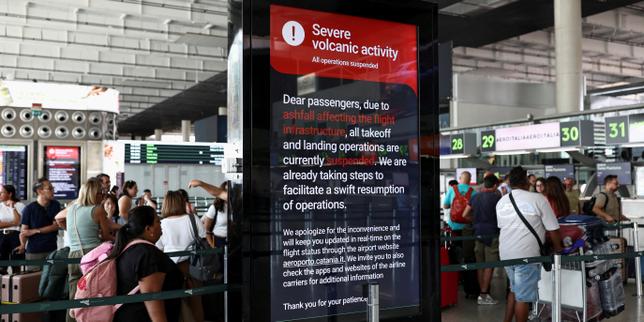
You aren't imagining it. Your upcoming summer vacation is shaping up to be brutal on your wallet. If you've tried booking a flight or planning a classic road trip lately, the sticker shock probably hit you instantly. Two massive economic disruptions just slammed into each other, and everyday travelers are paying the price.
First, Spirit Airlines abruptly went out of business, halting all operations and wiping out a massive chunk of cheap seats from the U.S. aviation market. Second, the ongoing war with Iran has sent energy markets into absolute chaos, causing both gasoline and jet fuel prices to skyrocket.
The underlying reality of travel this year is simple. The era of ultra-cheap, disposable vacationing is officially on pause. Planning a getaway right now requires a total shift in strategy if you want to avoid draining your savings account.
The Death of Cheap Flights
For decades, Spirit Airlines acted as a safety valve for the entire travel industry. Even if you never stepped foot on one of their bright yellow planes, you benefited from their existence. Why? Because their cut-throat pricing forced legacy carriers like Delta, United, and American to keep their basic economy fares competitive.
That leverage is gone. Spirit filled for bankruptcy multiple times and ultimately started a total liquidation. The sudden loss of their fleet eliminated roughly 1.8% of total U.S. airline capacity overnight.
With less competition and fewer available seats, the remaining airlines have zero incentive to discount. Frontier Airlines, now the largest budget carrier left standing, has already pushed through multiple fare hikes. According to data from the U.S. Bureau of Labor Statistics, airline fares jumped a staggering 20.7% in April compared to last year. Forward-looking booking data from Points Path shows that domestic economy tickets for peak summer weeks are trending up to 27% higher.
The budget traveler is essentially being priced out of the sky. Low-cost carriers are uniquely vulnerable to energy spikes because they don't have premium business cabins or high-margin international first-class seats to offset their soaring operating expenses. When jet fuel costs spike, budget airlines have to raise ticket prices immediately or go under.
Staying Grounded Won't Save You
A lot of families figured they would just skip the airport entirely and drive to their destinations this year. It's a logical pivot, but the global oil crisis followed travelers right to the pump.
Disruptions in the Strait of Hormuz have pushed national average gas prices to $4.56 a gallon, up from just $3.18 a year ago. The Institute on Taxation and Economic Policy estimated that American drivers shelled out an extra $3.5 billion on gasoline over the Memorial Day weekend alone.
When you factor in that hotel and lodging costs are up 4.3%, and eating out has climbed nearly 4%, a simple road trip can easily morph into a four-figure expense. We aren't seeing a complete collapse in vacation demand, but we are seeing a massive reshuffling. People are trading two-week cross-country trips for long weekends a couple of hours away from home.
How to Outsmart the Summer Travel Squeeze
You don't have to cancel your summer plans, but you do need to throw out your old booking playbook. If you try to plan a trip the way you did two years ago, you're going to overpay.
Flip Your Search Process
Most people choose a destination, pick their dates, and then look for flights. This year, you need to do the exact opposite. Open Google Flights, leave the destination box completely blank, enter your home airport, and look at the map. Let the cheapest route dictate where you go.
Target the August Window
June and July are historically the most expensive weeks of the year to travel. If you can push your trip back to mid-to-late August, you'll catch a natural dip in airfares as families head back toward the school season.
Avoid the Midweek Booking Myth
Stop waking up at midnight on a Tuesday thinking you're getting a secret deal. Airlines use dynamic, AI-driven pricing algorithms that update constantly. Instead of focusing on when you book, focus on when you fly. Flying on a Tuesday, Wednesday, or Saturday will consistently save you cash compared to chaotic Thursday and Friday departures.
Audit the True Cost of Flying
With budget options dwindling, pay close attention to baggage fees and seat selection costs before clicking buy. A legacy carrier's basic economy ticket that includes a carry-on bag might actually end up cheaper than a bare-bones ticket on a remaining ultra-low-cost carrier once you add up the hidden upcharges.
The math for summer travel has fundamentally changed. Accept the higher baseline costs, stay flexible on where you're going, and lock in your transit expenses as early as possible.