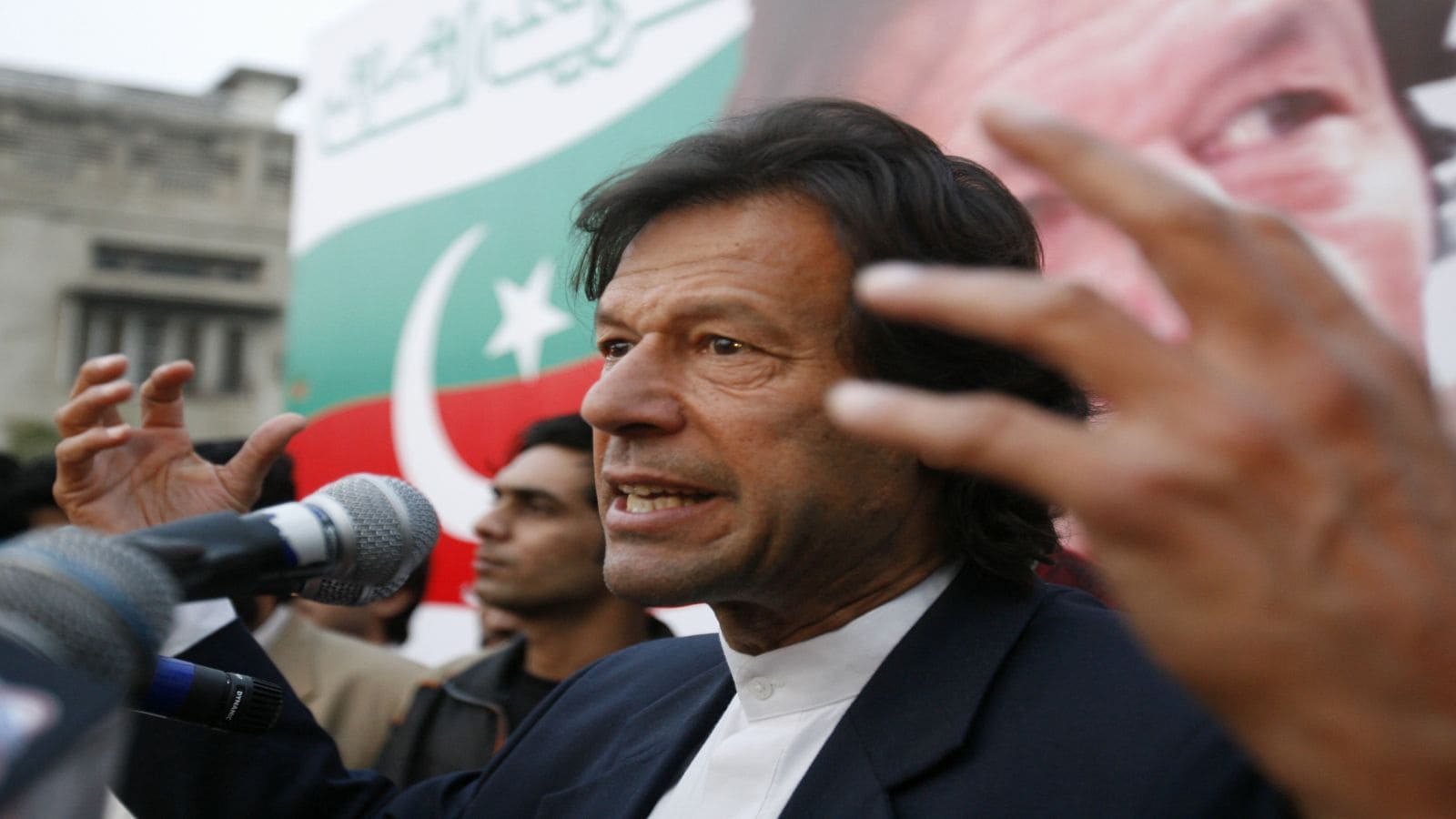
The judicial intervention mandating the transfer of imprisoned former prime minister Imran Khan from Adiala Jail to Shifa International Hospital represents a critical inflection point in the asymmetric power struggle defining Pakistan's political architecture. Beyond the immediate narrative of medical necessity, this Supreme Court directive exposes the underlying operational friction between institutional state machinery and a suppressed political opposition. Analyzing this development requires stripping away partisan rhetoric to examine the systemic variables at play: the mechanics of penal isolation, the weaponization of healthcare transparency, and the high-stakes calculus governing judicial oversight in an environment dominated by the security establishment.
The Cost Function of Custodial Isolation
Imprisonment of high-value political figures is rarely just about detention; it functions as an exercise in systemic attrition. Since his incarceration began in August 2023, Imran Khan has been subjected to varying degrees of solitary confinement, restricted legal access, and severe limits on family communication. From a strategic perspective, this isolation serves a dual purpose.
First, it creates a communication vacuum, severing the feedback loop between the incarcerated leader and his party base, the Pakistan Tehreek-e-Insaf (PTI). Without direct alignment from leadership, an opposition movement faces decentralization, tactical drift, and a diminished capacity for coordinated mobilization. Second, physical isolation exerts a cumulative physiological toll. Extended confinement without adequate sunlight, unrestricted movement, or balanced nutrition accelerates degenerative conditions, particularly for an aging individual.
The recent medical alarms—highlighted by former president Arif Alvi regarding blood pressure volatility, elevated stress indicators, and prior ophthalmological crises such as central retinal vein occlusion—are predictable outputs of high-stress custodial environments. The state's strategy relies on managing the boundary between acceptable detention conditions and catastrophic health failure, balancing the utility of punishment against the risk of creating a martyrdom narrative.
The Information Asymmetry Matrix
A core dynamic of high-profile state detentions is the institutional monopoly on diagnostic data. When the state controls the custodian environment, it also controls the evidentiary standard of health.
- The Official Narrative Loop: Prison authorities frequently issue reports emphasizing stability and recovery. For instance, recent statements from jail officials claimed that Khan's eyesight had returned to near-normal following specialized interventions. These disclosures function as defensive PR maneuvers designed to preempt domestic and international human rights critiques.
- The Opposition Counter-Signals: Conversely, family members, defense attorneys, and aligned political actors report severe deterioration, citing months-long information blackouts and restricted access for independent physicians.
- The Judicial Arbiter: The Supreme Court's intervention bridges this information gap by mandating an independent medical board that includes the prisoner's personal physician and family representation. By ordering the transfer to a private facility like Shifa International Hospital until mid-September, the judiciary introduces an external audit mechanism into a previously opaque state-run process.
This dynamic shifts the operational parameters. The state can no longer rely solely on internal medical sign-offs to justify custodial conditions. The presence of independent physicians establishes a baseline of verifiable truth, raising the political cost of any future health mismanagement.
The Institutional Calculus of the Supreme Court
The decision by a three-member Supreme Court bench, headed by Justice Shahid Waheed, cannot be viewed in a political vacuum. The judiciary operates within a complex web of structural pressures, balancing the preservation of institutional legitimacy against the implicit boundaries set by the military-backed apparatus.
Granting a high-profile petition for hospitalization does not equate to systemic judicial defiance. Instead, it represents a calibrated pressure-release valve. The sustained agitation by PTI supporters, combined with international scrutiny from figures ranging from global cricket constituents to diaspora advocates, creates systemic friction. By ordering a temporary, regulated transfer to a hospital under strict conditions—including prohibitions on political exploitation and requirements for public order—the court achieves three distinct objectives:
- It satisfies fundamental legal and human rights obligations regarding prisoners under state care.
- It mitigates the risk of an irreversible medical crisis that would radically destabilize the political landscape.
- It circumscribes the terms of the transfer, prohibiting the hospital stay from morphing into an uncontrolled political staging ground.
Strategic Forecast and Systemic Implications
The trajectory of this intervention through September 16 sets a clear operational timeline. The state has agreed to implement the order through the federal apparatus, signaling tactical compliance while maintaining the broader framework of legal convictions that keep Khan legally barred from active political life.
The primary variable is the diagnostic outcome produced by the independent medical board. If the board confirms significant, chronic health degradation directly linked to custodial conditions, the political pressure on the administration will escalate, forcing a recalculation of how detention parameters are managed post-hospitalization. If the findings reflect manageable age-related conditions, the state will utilize the medical clean bill of health to legitimize his return to Adiala Jail, neutralizing future health-based legal challenges.
For the opposition, the immediate tactical imperative is discipline. Maintaining public order outside the medical facility, as urged by party leadership, is necessary to prevent the state from invoking security violations to abruptly curtail hospital access. The broader structural challenge remains unchanged: navigating a tightly managed political ecosystem where legal maneuvering and judicial oversight offer narrow channels for survival against entrenched institutional power.