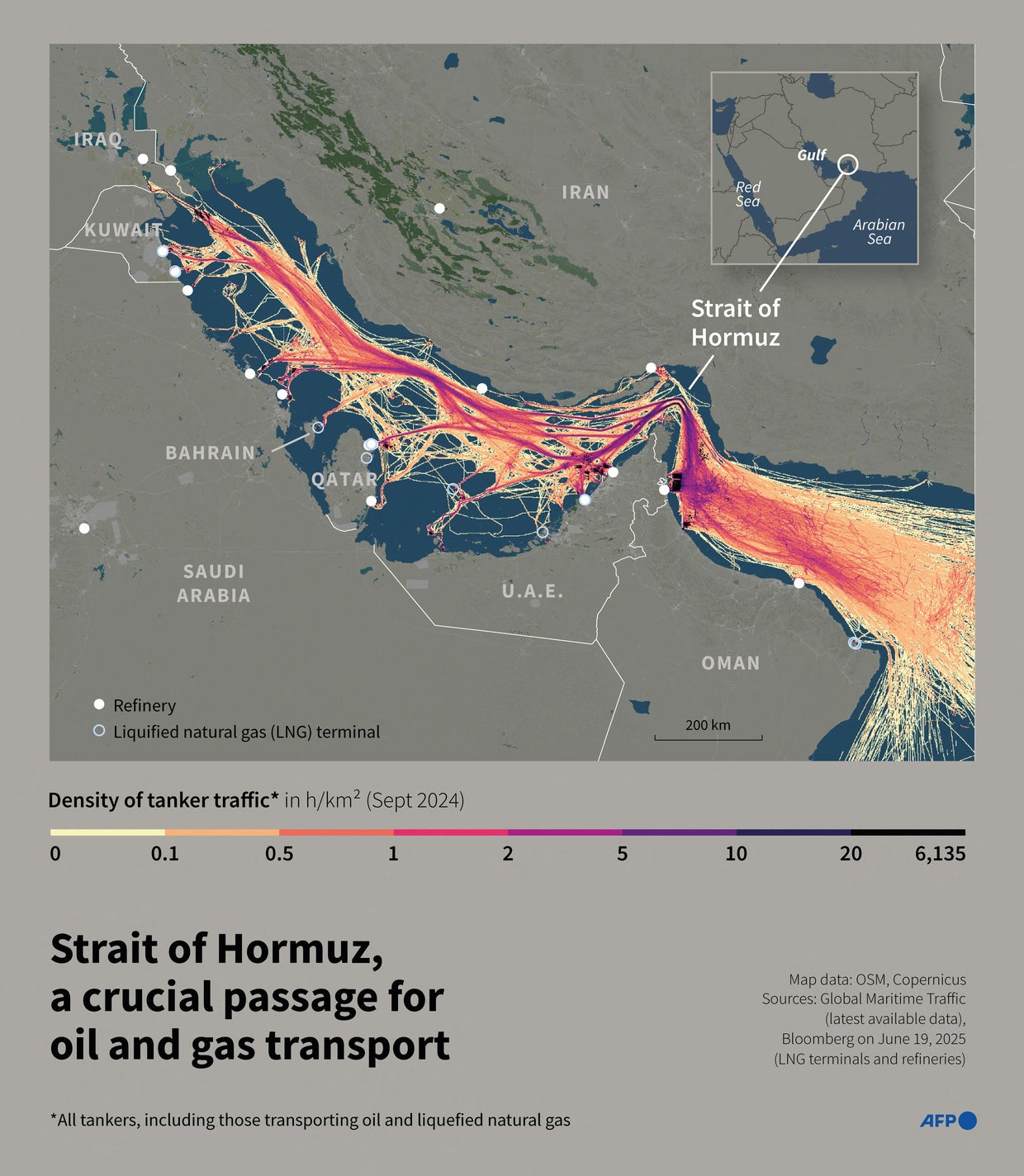
The operational integrity of Kharg Island—the terminal responsible for approximately 90% of Iran’s crude exports—is no longer a matter of regional logistics but a critical vulnerability in the global energy arbitrage market. Recent satellite evidence of oil slicks in the vicinity of the terminal indicates a systemic failure in infrastructure maintenance or a desperate shift toward high-risk ship-to-ship (STS) transfer protocols designed to evade tightening sanctions. When an export hub of this magnitude shows signs of environmental leakage, it signals that the physical cost of bypassing financial blockades has finally exceeded the terminal's engineering tolerances.
The Kharg Island Bottleneck: A Single Point of Failure
To understand why a minor oil slick near Kharg Island is an indicator of macro-economic distress, one must quantify the terminal’s role. The facility functions as the primary pressure valve for the Iranian economy. Unlike diversified producers, Iran’s export architecture is centralized. This centralization creates an "Efficiency-Risk Paradox": the same geographic focus that allows for rapid loading also makes the entire value chain susceptible to a single localized disruption.
The infrastructure at Kharg consists of the "T-Jetty" on the east and the "Sea Island" on the west. The Sea Island is capable of docking VLCCs (Very Large Crude Carriers) of up to 500,000 DWT. Any visible slick in these waters suggests a breach in the subsea pipelines or loading arms. Because these components require specialized parts often restricted under dual-use technology sanctions, the ability to perform preventative maintenance has eroded. We are witnessing the "Capital Atrophy Phase" of the terminal’s lifecycle, where the hardware is being pushed beyond its design parameters to maintain cash flow.
The Mechanics of Shadow Fleet Loading
The reported slicks are frequently the result of "Ghost Tanker" maneuvers. When the US blockade intensifies, the primary risk shift occurs from the terminal to the water. The logistics of the shadow fleet rely on three distinct risk vectors:
- AIS Disabling (Going Dark): Tankers disable their Automatic Identification Systems to mask their presence at the terminal. This increases the probability of maritime collisions in narrow channels, as neighboring vessels lose visibility of the tanker’s vector and speed.
- Sub-Standard Ship-to-Ship Transfers: To obfuscate the origin of the crude, oil is often transferred between vessels in the open sea. These transfers, conducted without the environmental safeguards or Tier 1 spill-response equipment found in regulated ports, are the leading cause of "operational leakage."
- Vessel Aging and Flag Hopping: The tankers used in these trades are often decades old, categorized as "end-of-life" assets. The structural integrity of their hulls is questionable, and they frequently operate under flags of convenience with minimal regulatory oversight.
This creates a Contamination Chain. A leak at Kharg isn't just a local environmental issue; it is a physical manifestation of the rising "Risk Premium" that buyers demand for illicit oil. If the crude is leaking, the discount on the per-barrel price must widen to compensate for the potential liability of the trade.
The Cost Function of Sanctions Evasion
The Iranian crude industry operates under a unique cost function where the primary variable is not production cost, but "Friction Cost."
$Total Cost = Production + Transportation + Risk Discount + Sanction Circumvention Fees$
As the US Treasury tightens the "Noose Mechanism," the Sanction Circumvention Fees and Risk Discount rise exponentially.
- The Insurance Gap: Standard Protection and Indemnity (P&I) clubs will not cover vessels docking at Kharg. Iran is forced to provide domestic sovereign guarantees, which lack the liquidity to cover a major environmental disaster.
- The Middleman Tax: Each layer of shell companies used to facilitate the sale of a barrel takes a percentage of the margin. By the time the oil reaches a refinery in Shandong, the netback to the Iranian treasury is significantly lower than the Brent benchmark would suggest.
The presence of oil slicks confirms that the "Transportation" variable is being cannibalized to pay for "Risk." Iran is likely deferring maintenance on subsea valves to keep the flow moving, a strategy that offers short-term liquidity at the expense of long-term terminal viability.
Mapping the Failure Points in the Crude Value Chain
The "Breaking Point" mentioned in market reports is not a single event but a cascading failure across three pillars:
1. The Storage Saturation Limit
Iran maintains significant onshore and floating storage. When the blockade prevents tankers from departing, the system backs up. High-pressure storage tanks at Kharg reach capacity, forcing producers to "shut in" wells. Shutting in a mature well is often irreversible; the reservoir pressure may never recover, leading to permanent loss of productive capacity. The slicks suggest that instead of shutting in wells (which is a long-term economic death sentence), Iran is attempting to move oil onto any available vessel, regardless of its seaworthiness.
2. The Refinement-Export Imbalance
Iran’s domestic refineries are optimized for specific crude grades. If the export market for heavy crude dries up, the domestic system cannot absorb the surplus. This creates a "Downstream Clog." The inability to export leads to an accumulation of associated petroleum gas (APG), which must be flared or reinjected. If reinjection equipment fails due to a lack of imported parts, the gas must be burned, leading to visible flaring increases that serve as secondary indicators of export distress.
3. The Maritime Insurance Blockade
The US blockade targets the "Financial Sinews" of the shipping industry. By sanctioning the service providers—insurers, classification societies, and bunkering firms—the US has forced the Iranian trade into a "Grey Zone." This zone operates without the "safety net" of modern maritime law. A spill near Kharg is a signal to the market that the Grey Zone is reaching its physical limit.
The Environmental-Economic Feedback Loop
The leakage of crude into the Persian Gulf creates a negative feedback loop for the Iranian state.
- Desalination Threats: Much of the region’s potable water comes from desalination plants. A major slick near Kharg threatens the intake valves of these plants.
- Operational Downtime: Environmental cleanup requires the suspension of loading operations. In a sanctioned environment, every hour of downtime is a permanent loss of revenue that cannot be recovered through credit or insurance claims.
- Diplomatic Friction: Spills do not respect maritime borders. A slick that drifts toward Kuwaiti or Saudi waters provides the legal and environmental grounds for further international intervention and monitoring of Iranian shipping lanes.
Strategic Realignment of the Shadow Fleet
The response to the current "Breaking Point" will likely involve a transition from Kharg Island toward the Jask Terminal, located outside the Strait of Hormuz. The Jask pipeline project was intended to bypass the chokepoint of the Strait, but it suffers from the same capital constraints as Kharg.
The strategy of the "Ghost Fleet" is also evolving. We are seeing the rise of "Floating Hubs"—stationary VLCCs in international waters that act as temporary warehouses. This allows smaller, less conspicuous vessels to shuttle oil from Kharg to the hub, where it is blended and re-sold as "Malaysian" or "Omani" blend. However, this "Hub and Spoke" model doubles the number of transfers, thereby doubling the probability of the very leaks currently being detected by orbital sensors.
Identifying the Terminal Velocity of the Blockade
The effectiveness of a blockade is measured by its "Leakage Rate." No blockade is 100% effective, but a blockade is successful if it makes the cost of evasion higher than the value of the commodity.
We are approaching the "Terminal Velocity" of this strategy. The oil slicks are physical evidence that the infrastructure is being "run to failure." In engineering terms, "run to failure" is a valid strategy if the asset is being decommissioned. For a nation-state depending on that asset for survival, it is a sign of extreme tactical desperation.
The logical progression of this trend involves:
- Increased Frequency of Maritime Accidents: As the fleet ages and maintenance is skipped, a major hull breach is statistically inevitable.
- Cannibalization of Secondary Terminals: To keep Kharg operational, parts will be stripped from smaller terminals like Lavan or Sirri.
- Shift to Tier-3 Buyers: Only refineries with zero exposure to the US financial system will accept the risk of handling "leaky" or "untraceable" Iranian crude.
The strategic play for observers is to monitor the "Spill-to-Export Ratio." If the frequency of slicks increases while export volumes remain flat or decline, it indicates that the structural integrity of the Iranian energy sector has been compromised beyond the point of rapid recovery. The blockade hasn't just stopped the flow of money; it has started the clock on the physical disintegration of the assets required to generate it.
Immediate tactical focus should be placed on the "In-Transit Visibility" of the shadow fleet. The slick at Kharg is the symptom; the cause is a desperate, unmaintained logistics chain that is now operating in a state of permanent emergency. The next phase will not be a diplomatic shift, but a physical failure of the loading infrastructure that could take years—and billions in unsanctioned capital—to repair.
The strategic recommendation for market participants is to price in a "Permanent Capacity Reduction" for Iranian heavy crude. Even if sanctions were lifted tomorrow, the damage to the reservoir pressures from shut-ins and the degradation of the Kharg subsea infrastructure suggests that Iran’s "Return to Market" volume will be significantly lower than historical peaks. The slick is not just oil in the water; it is the evaporation of future production capacity.