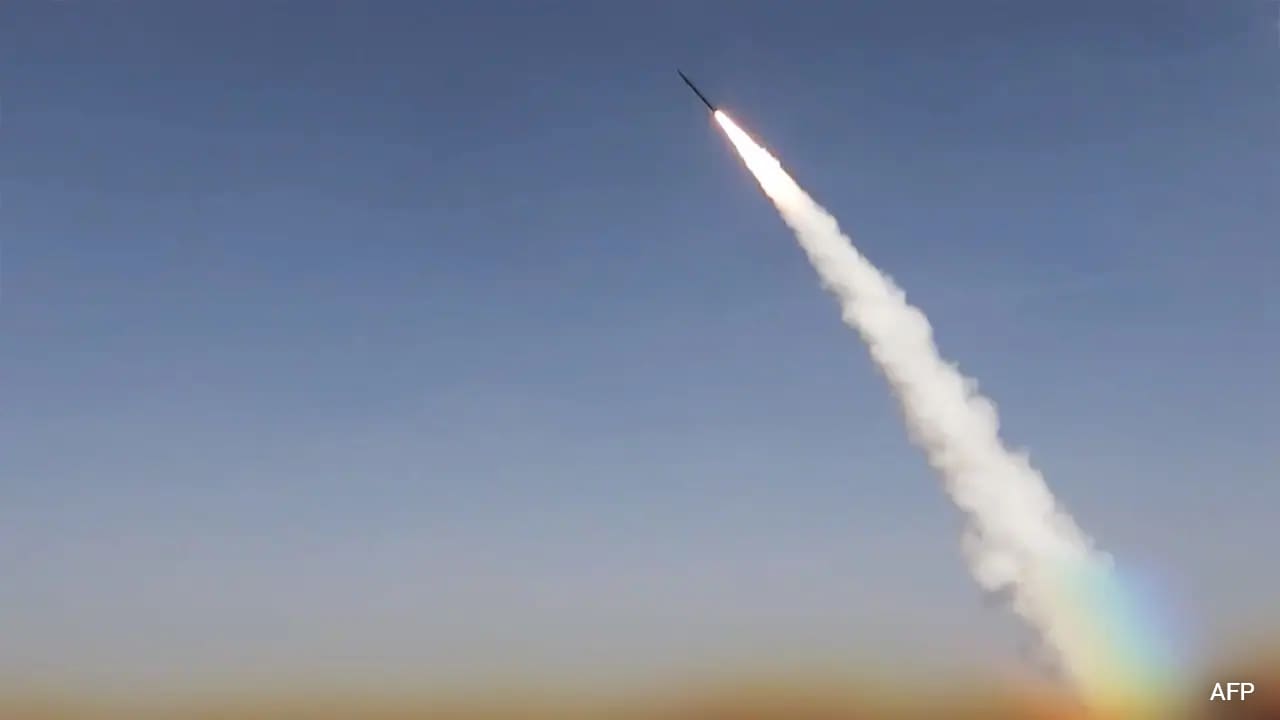
Military operations executed within densely populated coastal corridors generate predictable friction points between strategic intent and collateral impact. When United States Central Command initiated a fresh wave of air strikes targeting Islamic Revolutionary Guard Corps infrastructure in Hormozgan province, shrapnel from a missile interception or a nearby munitions impact struck a residential home in Kuhestak hosting a wedding celebration. The resulting casualties—including at least four deaths and over fifty injuries—highlight a recurring mechanical flaw in modern precision warfare: the collapse of safety margins when military assets operate adjacent to civilian population centers.
Deconstructing this event requires an examination of the operational theater. Kuhestak sits directly along the Strait of Hormuz, a narrow maritime choke point through which a major share of global petroleum transit flows. The geographic compression forces military infrastructure, coastal radar sites, mine-laying capabilities, and civilian settlements into close proximity. When the United States military executes punitive or preemptive strikes against naval assets and air defense nodes to protect shipping lanes, the targeting matrix must account for urban density.
The mechanics of the escalation cycle follow a strict sequence of kinetic action and reaction.
- Maritime provocation occurs via attempts to deploy sea mines or target commercial vessels in the strait.
- Central Command authorizes a barrage of airstrikes against radar stations, communications facilities, and defense systems.
- Interception vectors and ordnance dispersion create high-velocity fragment fields that frequently extend beyond designated military perimeters.
- Asymmetric actors utilize the resulting civilian casualties to justify retaliatory ballistic missile launches toward regional bases.
This feedback loop exposes the limitations of automated or standoff targeting systems. While military spokespersons maintain that operations explicitly avoid non-combatants, proximity error remains a statistical certainty in asymmetric operational environments. The reliance on high-explosive ordnance near civilian infrastructure transforms localized tactical engagements into strategic communications crises. Opposing forces capitalize on structural damage to civilian properties to mobilize public sentiment and accelerate retaliatory cycles.
The economic fallout mirrors the tactical instability. Global energy markets react instantaneously to kinetic exchanges in Hormozgan province. Insurance premiums for commercial vessels spike, and alternative routing frameworks negotiated with regional partners face immediate disruption. Every strike aimed at suppressing mine-laying operations inadvertently drives up the cost of global energy transit, establishing a negative feedback loop where military intervention destabilizes the exact economic corridors it aims to secure.
Future stability in the region depends on altering the escalation threshold rather than refining missile accuracy. Military planners must weigh the cumulative strategic cost of collateral incidents against the temporary suppression of tactical assets. The current trajectory points toward prolonged friction, where localized targeting errors continuously reset diplomatic efforts and ensure the Strait of Hormuz remains a high-risk zone for both commercial transit and civilian populations.