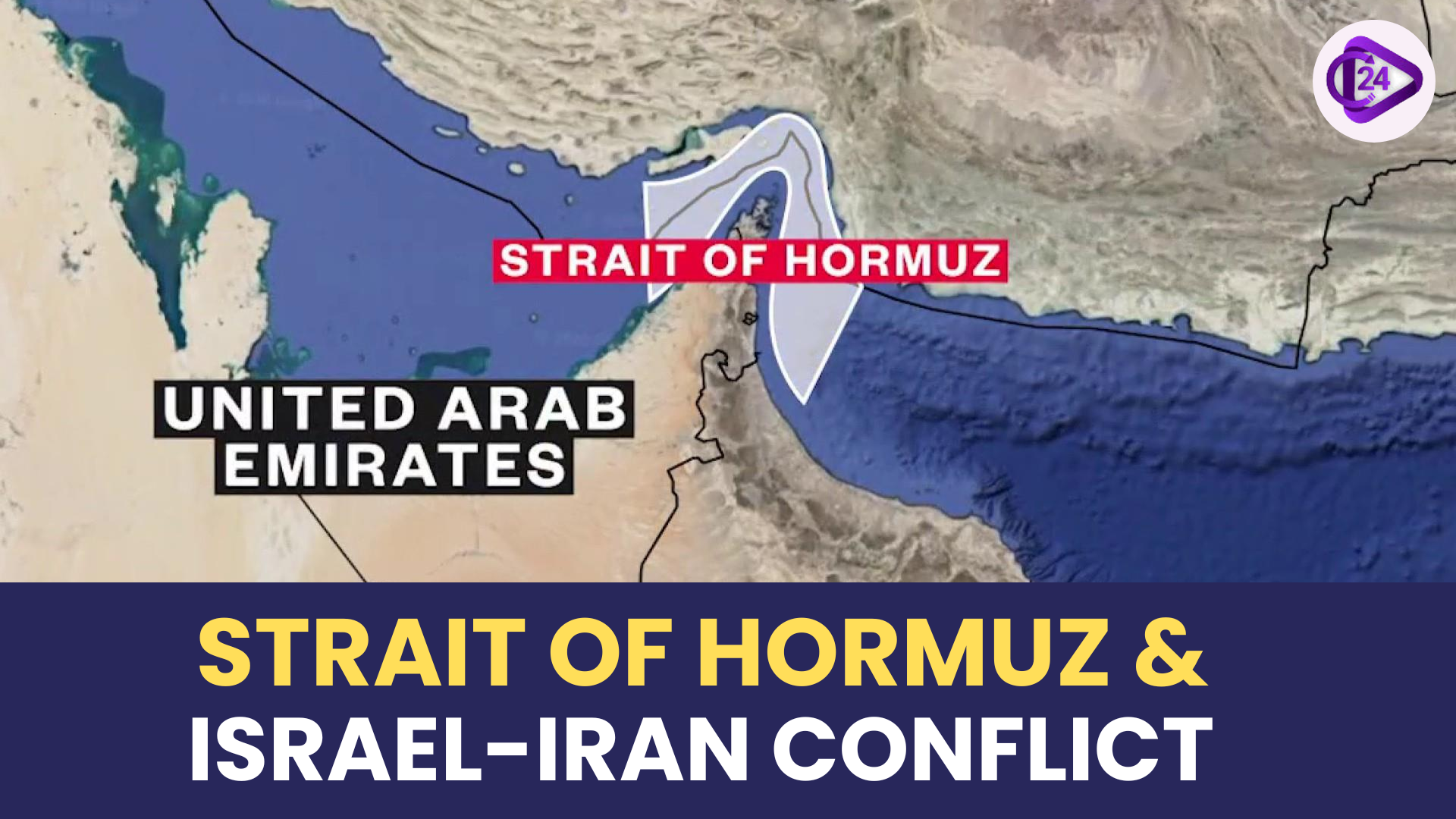
The global energy market is currently facing its most severe existential threat since the 1973 oil embargo as Iran begins a systematic shutdown of the Strait of Hormuz. This maneuver, a direct response to intensifying Israeli strikes against Hezbollah infrastructure in Lebanon, has effectively paralyzed the primary artery for world oil and gas supplies. While diplomatic efforts previously focused on a fragile ceasefire, the physical blockade of the world's most critical chokepoint shifts the conflict from a regional skirmish to a total economic war. Crude prices are already reacting with violent volatility, reflecting a reality where twenty percent of the world’s liquid petroleum gas and oil consumption is now held hostage by a single geographic narrow.
The Geography of Escalation
The Strait of Hormuz is not just a body of water. It is a twenty-one-mile-wide throat through which the lifeblood of the global economy flows. On one side lies the Omani Musandam Peninsula; on the other, the Iranian coast. For decades, the "tanker war" of the 1980s served as a grim blueprint for this exact scenario, but the current shutdown is different. It is not a series of sporadic raids. It is a coordinated naval and paramilitary closure.
Iran’s decision to lock the gate follows a week of devastating aerial campaigns by Israel against Hezbollah targets in Beirut and Southern Lebanon. As the proxy war in the Levant reached a breaking point, Tehran opted to utilize its most potent non-nuclear lever. By stopping the flow of tankers, Iran forces the West to choose between supporting Israeli military objectives and maintaining the stability of their own domestic economies.
Why the Military Math Has Changed
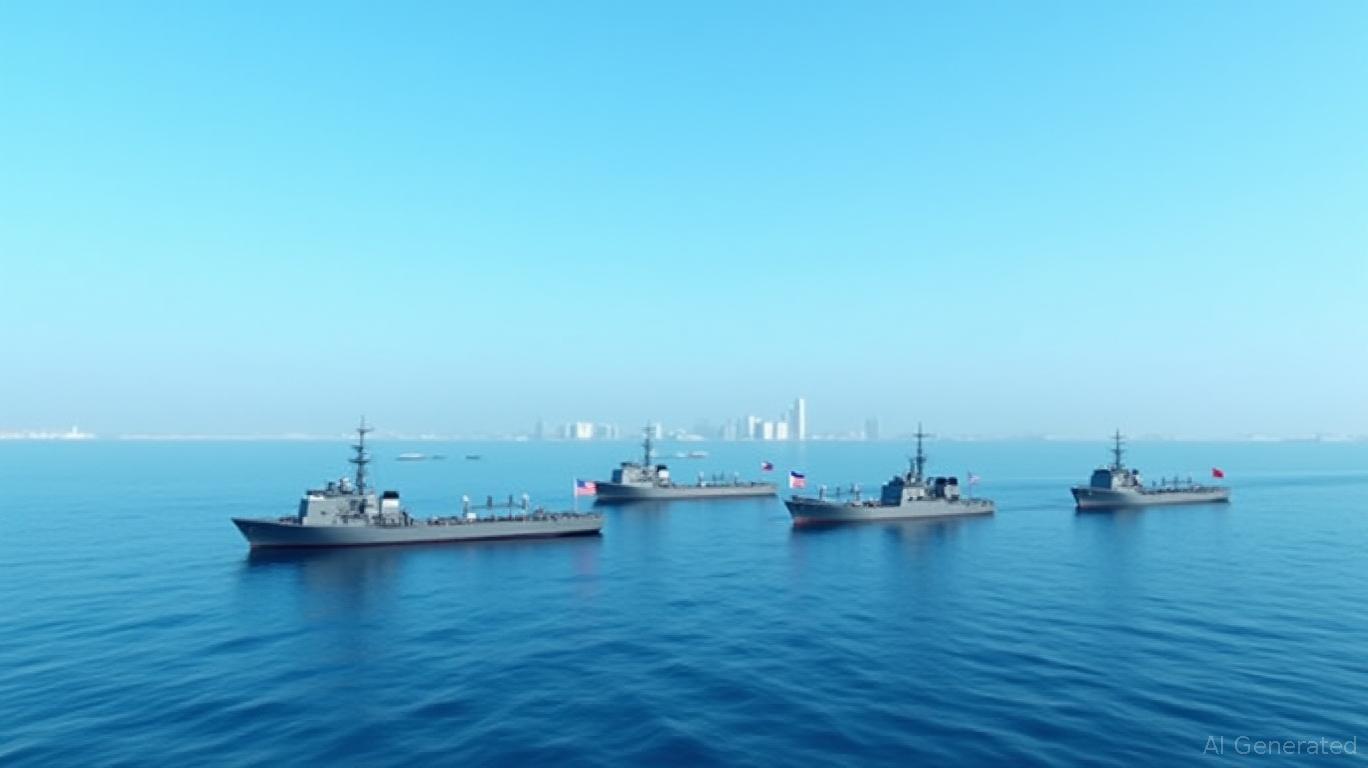
In previous decades, the United States Fifth Fleet could project enough power to keep the lanes open through sheer presence. That era is over. The introduction of low-cost loitering munitions, anti-ship ballistic missiles, and swarming fast-attack craft has turned the Strait into a kill zone where billion-dollar destroyers are at a distinct disadvantage.
Iranian forces have spent years mining the seabed and positioning mobile missile batteries in the jagged cliffs overlooking the shipping lanes. To clear these lanes, a coalition would need to engage in a full-scale kinetic campaign against the Iranian mainland, an escalation that most European and Asian capitals are desperate to avoid. This isn't about traditional naval dominance anymore. It is about the cost-benefit analysis of losing a three-hundred-meter-long supertanker to a five-thousand-dollar drone.
The Lebanon Connection
The synchronization of the Hormuz closure with the Lebanese front is no coincidence. Hezbollah remains Iran’s primary deterrent against a direct strike on its nuclear facilities. As Israel systematically dismantles Hezbollah’s command structure and missile silos, Tehran feels its "forward defense" crumbling.
Closing the Strait serves two tactical purposes. First, it creates an immediate distraction for the United States, forcing Washington to divert naval assets from the Eastern Mediterranean to the Persian Gulf. Second, it exerts immense pressure on Israel’s allies. When gas prices at a pump in Ohio or a factory in Bavaria spike by forty percent, the appetite for an extended Israeli campaign in Lebanon evaporates.
The Failure of the Ceasefire Narrative
For months, international mediators spoke of a "pathway to de-escalation." This was a fantasy. The underlying triggers—Hezbollah’s insistence on linking the northern front to Gaza and Israel’s refusal to allow a hostile militia to remain on its border—were never addressed. The ceasefire talk was merely a tactical pause that both sides used to rearm.
While the United Nations issued statements, the physical reality on the ground was moving toward this flashpoint. Israel’s objective is the total removal of the Radwan Force from the border. Hezbollah’s objective is the preservation of its status as a state-within-a-state. These are mutually exclusive goals. The Strait of Hormuz is simply the pressure valve that finally blew.
Global Economic Contagion
The immediate impact of the blockade is being felt in the counting houses of Tokyo, Seoul, and Beijing. Unlike the United States, which has significant domestic production, East Asian economies are almost entirely dependent on Persian Gulf crude. If the Strait remains closed for more than fourteen days, strategic reserves will begin to deplete, and the industrial output of the world’s manufacturing hub will contract.
Insurance markets have already effectively "redlined" the region. War risk premiums for vessels entering the Gulf of Oman have skyrocketed to the point where shipping is no longer commercially viable, even if the Strait were technically "open" to some traffic. This is a functional blockade. You do not need to sink every ship to stop the flow; you only need to make it uninsurable.
The Role of China and the Silence of the East
Beijing finds itself in a precarious position. China is the largest buyer of Iranian oil, often skirting sanctions to keep its refineries running. However, a total closure of the Strait hurts China more than anyone else. There is a quiet, desperate diplomacy happening behind the curtains between Beijing and Tehran.
The question is whether Iran still listens. In the current climate, the hardliners in the Islamic Revolutionary Guard Corps (IRGC) seem to have concluded that economic pain for the world is the only way to ensure their own survival. They are betting that the world will force Israel to stop its campaign in Lebanon before the global economy collapses. It is a high-stakes gamble with no margin for error.
The Military Stalemate
Removing the blockade is not as simple as sending in a minesweeper. Modern naval warfare in confined spaces is a nightmare of asymmetric threats. The IRGC has perfected "area denial" strategies that rely on the geography of the Gulf.
- Subsurface Threats: The use of midget submarines and autonomous underwater vehicles (AUVs) makes detecting mines a slow, painstaking process.
- Swarm Tactics: Hundreds of fast boats armed with MANPADS and short-range missiles can overwhelm the targeting systems of sophisticated Western warships.
- Land-to-Sea Batteries: Stealthy, mobile missile launchers hidden in the mountains of southern Iran can be fired and relocated before a counter-strike can be launched.
Any attempt to force the Strait open would require a massive "suppression of enemy air defenses" (SEAD) campaign and strikes on Iranian soil. This would turn a regional maritime dispute into a regional war involving every nation from Iraq to the United Arab Emirates.
The Lebanon Front Deepens
While the world watches the water, the fire in Lebanon is spreading. Israel's "Pounds Lebanon" strategy isn't just about hitting launchers; it’s about breaking the logistical backbone of Hezbollah. The IDF is targeting bridges, fuel depots, and communication hubs.
Hezbollah’s retaliation has been calculated but increasingly deep. By firing into the industrial heartlands of northern and central Israel, they are attempting to mirror the economic pain Iran is causing via the Strait. The goal is a "balance of suffering." If Haifa and Tel Aviv cannot function normally, then the global economy will not be allowed to function either.
The Fragility of Modern Logistics
We live in a "just-in-time" world. Refineries do not keep months of crude on standby; they rely on a constant, rhythmic pulse of tankers. The closure of the Strait of Hormuz disrupts this pulse. Even if the blockade were lifted tomorrow, the backlog and the disruption to shipping schedules would take months to rectify.
The global supply chain is a fragile web. A breakdown in the Persian Gulf triggers a shortage of plastics in Vietnam, which leads to a delay in electronics manufacturing in Taiwan, which eventually manifests as an empty shelf in a retail store in London. We are seeing the first cracks in this web.
The Strategy of No Return
Iran’s leadership has likely calculated that they have already lost everything they could lose through sanctions. To them, the "nuclear option" of closing the Strait is a rational response to what they perceive as an existential threat to their primary proxy.
On the other side, Israel views the current moment as a historic opportunity to neutralize Hezbollah for a generation. They believe that if they stop now, they only invite a more prepared and more dangerous enemy in five years. These two immovable objects have met, and the Strait of Hormuz is the point of impact.
The reality is that there is no "back to normal" from here. The threshold for closing the Strait has been crossed. Even if this specific crisis is de-escalated through a massive diplomatic concession, the precedent has been set. The world now knows that its energy security is a polite fiction that exists only as long as the regional powers in the Middle East allow it.
The focus must now shift away from the hope of a ceasefire and toward the reality of a sustained energy crisis. Companies and nations that do not have a "Post-Hormuz" contingency plan are effectively operating on borrowed time. The gate is closed, and the keys are held by those who have nothing left to lose.
Prepare for a world where the cost of energy is no longer determined by supply and demand, but by the range of a drone and the resolve of a militia. The era of cheap, reliable transit through the Persian Gulf has ended, and it isn't coming back.