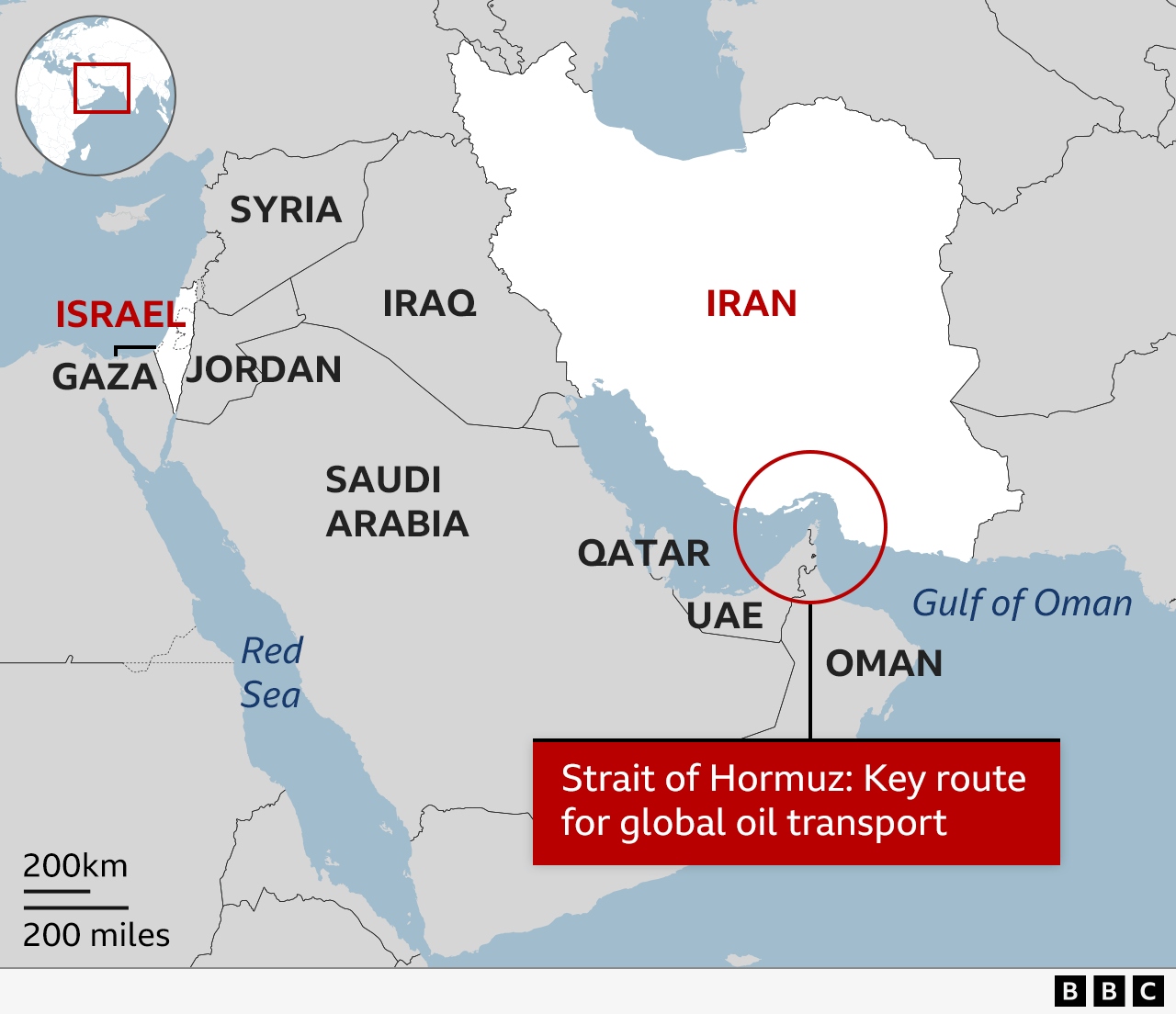
Wall Street is currently addicted to the "ceasefire" headline, but the rally is built on a dangerous misunderstanding of how the Middle East actually functions. On Wednesday, President Trump extended the truce with Tehran, theoretically buying time for a "unified proposal" to emerge from Pakistan-led negotiations. Markets cheered, the S&P 500 twitched upward, and Brent crude dipped momentarily. However, the celebration is premature because a cessation of kinetic strikes does not mean a return to commerce. The Strait of Hormuz remains effectively shuttered, and the "billion-barrel hole" in global supply is not just a temporary dip—it is a structural shift that will haunt portfolios for the next decade.
Investors are pricing in a return to the status quo, yet they ignore the physical reality of the blockade. Even with a signed piece of paper, the insurance markets for maritime trade have essentially collapsed. No sensible underwriter is going to greenlight a VLCC (Very Large Crude Carrier) through the Strait while IRGC gunboats are still reporting "incidents" 15 miles off the coast of Oman. The bridge of a container ship was shredded by fire just hours ago, despite the supposed peace. This is the "grey zone" of modern warfare where the ceasefire only applies to the big missiles, not the small, deniable acts of economic sabotage that keep energy prices in triple digits.
The Physical-Futures Disconnect
The current market euphoria stems from futures contracts, which are essentially bets on a hypothetical future. But the physical market—where actual barrels of oil are bought and sold for immediate delivery—is screaming a different story. Physical crude is trading at a record premium over futures, a phenomenon known as extreme backwardation. This happens when there is a desperate, localized scramble for supply that paper markets haven't fully absorbed.
While the headline price of oil sits near $100, the "real" price for a refiner in Singapore or Rotterdam is often significantly higher once you factor in the logistical nightmare of bypassing the Gulf. The industry is currently burning through 6.6 million barrels per day of global inventory just to keep the lights on. We are living on our "savings account" of oil, and that account is hitting zero faster than the diplomatic process can move.
The Infrastructure Scar Tissue
You cannot simply "turn on" a global energy hub after a month of high-intensity conflict.
- Wellbore Integrity: Shutting in production in the Persian Gulf isn't like flipping a light switch. Prolonged halts can cause pressure changes that permanently damage the reservoir's ability to produce at previous levels.
- Desalination Vulnerability: The Gulf states depend on desalination for up to 99% of their potable water. Recent drone strikes on these facilities have created a secondary crisis. Even if the oil starts flowing, the labor force required to operate the rigs is facing a basic survival crisis regarding water and food security.
- The Insurance Wall: War risk premiums are now so high that they exceed the profit margin of a standard cargo. Until these rates normalize—which takes months of verified stability—the Strait is as good as closed.
Europe’s Stagflation Trap
The European Central Bank recently hit the brakes on interest rate cuts, and for good reason. They are staring down the barrel of a classic stagflationary spiral. High energy costs are acting as a shadow tax on consumers, while the manufacturing sector in Germany and Italy is being forced to curtail production due to input scarcity.
The "cheer" we see in the markets is the result of algorithmic trading reacting to keywords like "extension" and "truce." Human analysts, however, are looking at the 20% of global oil supply and 25% of LNG that is still trapped behind a naval blockade. The U.S. Navy’s continued blockade of Iranian-linked vessels means the "ceasefire" is a one-way street. Iran has little incentive to fully reopen the Strait if its own exports remain frozen by American sanctions. This is a geopolitical Mexican standoff, not a resolution.
The Strategy of the New Energy Order
Forward-looking capital is already moving out of cyclical stocks that are sensitive to fuel costs—like airlines and traditional logistics—and into "fortress" energy plays. This isn't just about buying Exxon or Chevron. It is about identifying the companies that control the "bypass" infrastructure.
The Abu Dhabi Crude Oil Pipeline and the East-West Pipeline in Saudi Arabia are now the most valuable pieces of real estate on the planet. They allow a fraction of the region’s oil to reach the sea without entering the Strait of Hormuz. However, these assets are currently at 110% capacity. They cannot save the global economy from a sustained closure.
The Real Risk to the Dollar
We are seeing a quiet but profound shift in how central banks manage their reserves. The People’s Bank of China has been aggressively adding to its gold stockpiles for months, anticipating that a prolonged conflict in the Middle East will accelerate the "de-dollarization" trend. When the U.S. uses its financial system as a weapon of war—via naval blockades and asset freezes—nations that rely on the Strait of Hormuz begin to look for alternatives.
The "risk-off" play is no longer just the U.S. Dollar. It is gold, it is physical commodities, and it is localized energy production. The ceasefire might have stopped the bombs from falling for a week, but the economic war has moved into a more permanent, grinding phase.
The markets are currently buying the rumor of peace. They are about to sell the reality of a broken supply chain. Do not mistake a pause in the fighting for a return to the old world. The Strait is closed until the insurance companies say it’s open, and they don't care about Truth Social posts or Pakistani diplomatic cables. They care about the bridge of that ship off the coast of Oman. And that bridge is still a wreck.