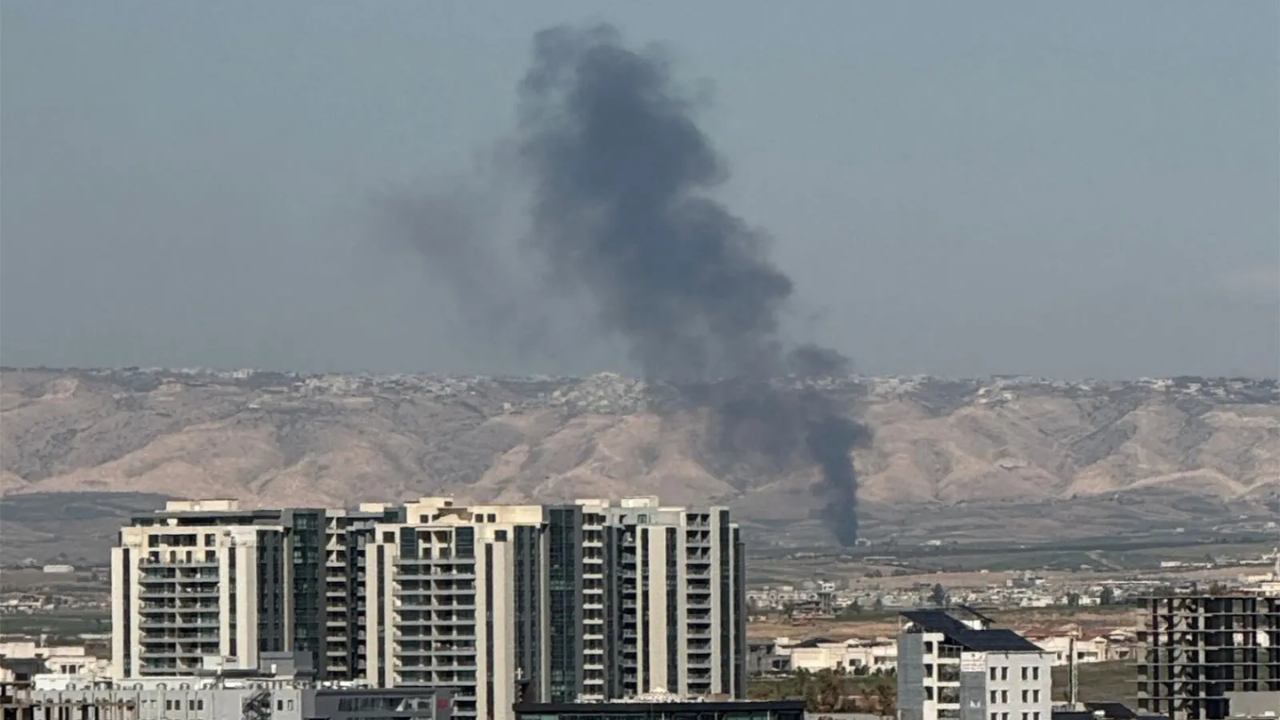
The maritime artery that sustains the global energy market is currently under a fragile, temporary lease. After weeks of high-stakes brinkmanship and direct kinetic exchanges, the United States and Iran are navigating a 30-day ceasefire designed to pull the world back from the edge of a total energy collapse. The primary win is visible: the Strait of Hormuz is tentatively reopening to commercial traffic. However, the diplomatic theater in Islamabad suggests that while the ships are moving, the underlying mechanics of a permanent peace are effectively stalled.
Washington is framing this as a successful application of "maximum pressure," while Tehran’s state media is spinning the pause as a strategic victory that forced the U.S. to the negotiating table. Both narratives obscure a more dangerous reality. The current ceasefire isn't a bridge to a new nuclear deal; it is a tactical reset for two exhausted adversaries who have realized that an indefinite blockade of the world's most critical chokepoint is a recipe for mutual economic suicide.
The Chokepoint Calculus
The reopening of the Strait of Hormuz wasn't a concession born of goodwill. It was a necessity driven by the cold math of global logistics. When Iran effectively shuttered the waterway in early 2026, the price of Brent crude didn't just spike; it threatened to deconstruct the Western manufacturing base. The U.S. naval blockade of Iranian ports, initiated on April 13, countered Tehran’s move but created a stalemate where neither side could export their primary commodities.
The current 30-day framework, brokered largely by Pakistani intermediaries, provides a release valve. Under the terms, Iran has agreed to a "safe and clear" passage for tankers in exchange for a temporary suspension of U.S. strikes on its internal infrastructure.
What the Ceasefire Buys
- Market Stabilization: Insurance premiums for Suezmax and VLCC tankers have already begun to retract from their April peaks.
- Diplomatic Breathing Room: Intermediaries like Steve Witkoff and Jared Kushner are using the window to push a "one-page" proposal that prioritizes maritime security over long-term enrichment caps.
- Internal Consolidation: For the Iranian leadership, particularly under the watchful eye of Mojtaba Khamenei, the pause allows for the repair of air defense systems battered during February's strikes.
The Nuclear Deadlock in Islamabad
While the water is clear, the air in the negotiation rooms remains thick with recycled grievances. The core of the problem is a fundamental disagreement on the definition of "zero." The U.S. position, spearheaded by Vice President JD Vance, remains a "zero enrichment" policy. Washington is demanding the total removal of past nuclear material and an affirmative commitment that Iran will never possess the tools for a rapid breakout.
Tehran has countered with a 10-point plan that demands the total lifting of all sanctions and the withdrawal of U.S. forces from the region before any meaningful nuclear concessions are made. Foreign Minister Abbas Araghchi has been vocal that Iran will not accept "maximalist demands" that target its ballistic missile program, which it views as its only credible deterrent against regional adversaries.
The "one-page" plan currently on the table is a masterclass in ambiguity. It leaves the most contentious issues—enrichment levels and snapback triggers—for a "Phase 2" that has no firm start date. By decoupling the Strait of Hormuz from the nuclear file, the U.S. has secured the oil but lost its primary point of leverage for the atomic talks.
Why the 30-Day Clock is a Warning
The 30-day window is less of a peace plan and more of a countdown. If no progress is made on the nuclear front by the end of this period, the U.S. administration has already signaled that its "Operation Epic Fury" assets remain in theater. President Trump’s recent social media activity reinforces this, suggesting that the ceasefire is subject to "total and immediate" compliance with maritime norms.
The Reality of the Blockade
The U.S. naval presence has not diminished. The maritime "counter-blockade" remains in a state of suspended animation, ready to be reactivated if a single tanker is harassed. This creates a volatile environment for global shipping. Most major carriers are not yet ready to resume normal operations, fearing that a single drone strike from an IRGC "fast boat" could reignite the conflict and leave their assets stranded in a war zone.
The Role of Regional Actors
- Pakistan: Acting as the primary conduit, Islamabad is desperate to prevent a total regional war that would destabilize its own border.
- Israel: Quietly skeptical of the ceasefire, Jerusalem has maintained its right to strike Lebanon and Iranian assets if it perceives a credible nuclear breakout threat, regardless of the U.S.-Iran pause.
- China: As the primary buyer of Iranian "dark fleet" oil, Beijing is the silent beneficiary of the reopening, though it has remained remarkably hands-off in the mediation process.
The fundamental flaw in the current strategy is the belief that economic relief will naturally lead to nuclear compliance. History suggests the opposite. For the Iranian regime, the nuclear program is not just a bargaining chip; it is an existential insurance policy. By allowing the reopening of the Strait, the U.S. has eased the economic pressure that was supposed to force a nuclear surrender.
As the 30-day clock ticks down, the world is watching a high-stakes game of chicken where the prize is the global economy and the penalty for losing is a conflict that no one—not even the most hawkish voices in Washington or Tehran—is truly prepared to finish. The ships are moving, but the missiles are still on the rails.