Geopolitical posturing rarely arrives with subtlety, yet recent pronouncements regarding the Strait of Hormuz strip away even the thin veneer of diplomatic caution. When political figures begin reasserting unilateral claims over critical international waterways, the underlying calculations extend far beyond immediate headlines. They speak to a broader contest over energy corridors, maritime law, and the fragile deterrence architecture holding together the Persian Gulf.
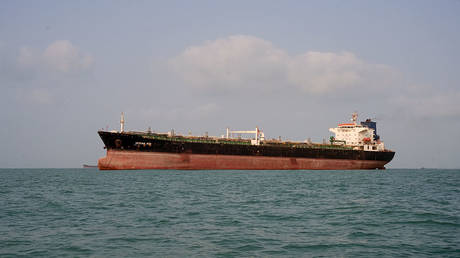
For decades, this narrow ribbon of water has served as the global economy's jugular vein. Roughly a fifth of the world's petroleum consumption transits through its narrow shipping lanes daily. Assertions labeling such spaces as domestic territory or exclusive security zones ignore centuries of customary international law and the UN Convention on the Law of the Sea. These treaties guarantee transit passage through straits used for international navigation. Yet legal frameworks mean little when regional actors test the boundaries of naval engagement.
Tehran's response to these statements highlights a persistent strategic anxiety. Iranian military and diplomatic apparatuses view any foreign encroachment or rhetorical claim over the Gulf as an existential provocation. The response from regional diplomats underscores a delicate balancing act. Former envoys and regional analysts repeatedly emphasize that escalation in these waters carries asymmetric risks. A miscalculation between patrol vessels or automated defense systems can transform a rhetorical sparring match into a kinetic conflict within minutes.
The Anatomy of Maritime Chokepoints
Understanding the vulnerability of Hormuz requires looking past the surface rhetoric of dominance. The shipping lanes are remarkably narrow, constrained by geography to just a few miles of navigable water in either direction. This physical restriction forces supertankers into predictable corridors, making them exceptionally vulnerable to asymmetric tactics, electronic interference, and conventional naval pressure.
Economic fallout from any disruption in this corridor is immediate. Global energy markets react instantly to whispers of closure or conflict, sending shockwaves through refining margins and consumer prices worldwide. This creates a dangerous paradox. While major powers assert a perpetual security interest to protect global commerce, their very presence often serves as the primary catalyst for regional friction.
Beyond the Headlines
The diplomatic dance accompanying these disputes involves a complex matrix of deterrence signaling. Public pronouncements aimed at domestic audiences often diverge sharply from private backchannel communications. While politicians posture for political leverage, naval commanders on the ground maintain rigid protocols to avoid accidental triggers.
The underlying reality of the Strait remains unchanged by political rhetoric. It is a shared, high-stakes commons where no single power can exercise absolute hegemony without inviting catastrophic economic blowback. As long as global energy dependency remains tied to these geographic bottlenecks, the contest for influence will continue to play out in periodic flashes of tension and diplomatic maneuvering.