The Strait of Hormuz remains a primary chokepoint for global energy supplies, serving as the maritime throat through which roughly twenty percent of the world's petroleum and liquefied natural gas passes. When political figures attempt to claim sovereignty or total command over these waters through social media declarations, the reality on the ground—and on the water—tells a vastly different story.
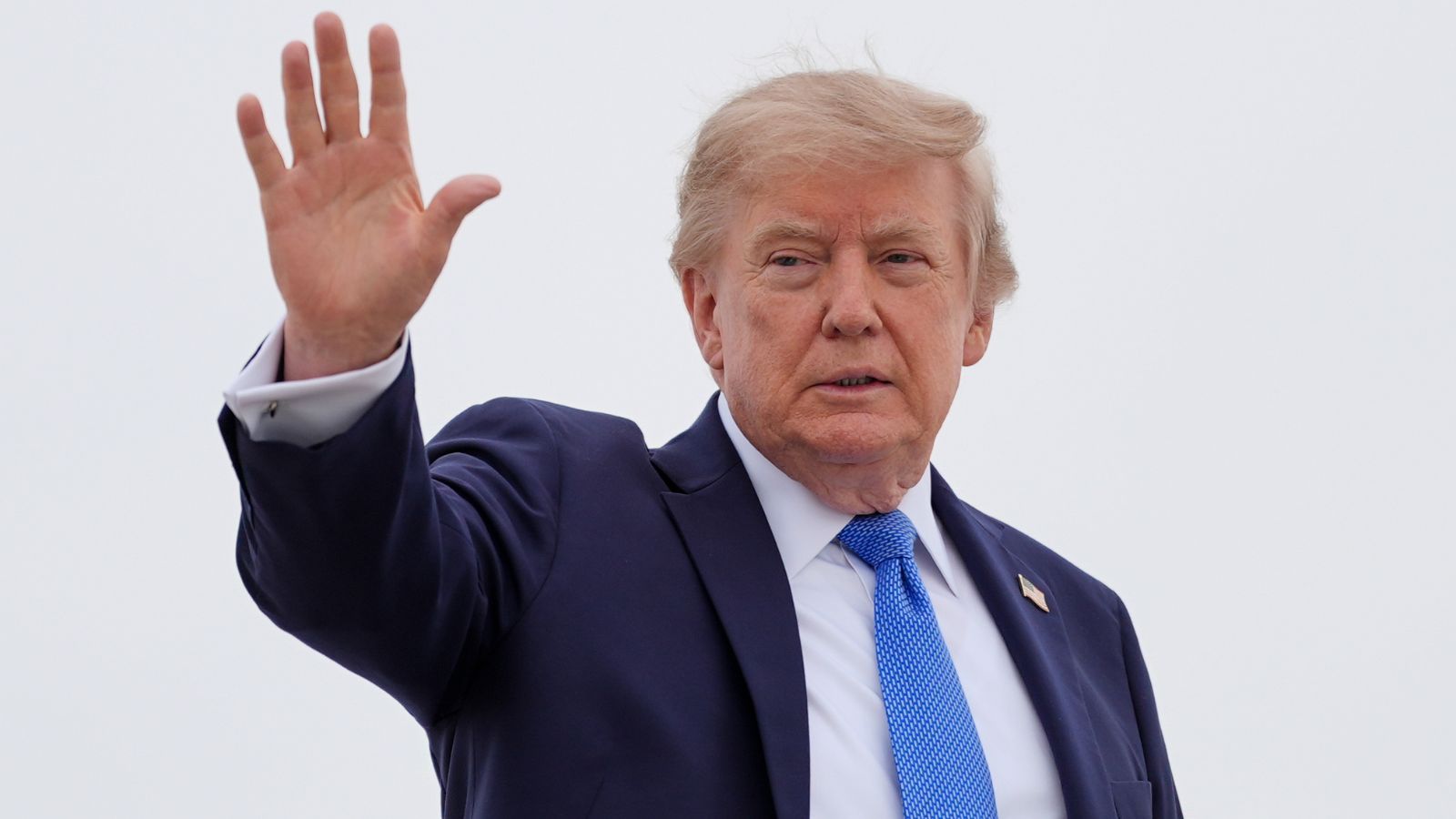
United States President Donald Trump recently asserted absolute dominance over the waterway, boasting on digital platforms about a supposed "Wall of Steel" naval blockade and announcing intentions to eventually designate the crucial Middle Eastern corridor as American territory. Tehran’s response was swift and derisive. Iranian Deputy Foreign Minister Kazem Gharibabadi publicly noted that the strategic corridor cannot be seized by an election speech, an aircraft carrier, or a digital post.
Behind the rhetorical posturing lies a grinding, high-stakes confrontation that continues to squeeze global shipping lanes, inflate fuel costs, and frustrate diplomatic channels.
The Anatomy of a Chokepoint Crisis
Controlling a narrow maritime channel requires more than proclamations. The Strait of Hormuz narrows to roughly twenty-one miles at its widest point, with inbound and outbound shipping lanes only two miles wide each. This geography makes the corridor uniquely vulnerable to asymmetrical disruption.
Decades of naval doctrine taught military planners that keeping such a passage open requires constant, boots-on-the-water security and active cooperation from littoral states. When active conflict broke out earlier this year, normal transit ground to a near-total halt. Commercial ship-tracking data reveals that only a tiny fraction of normal vessel traffic dares to pass through the corridor, weighed down by the very real threat of missile and drone interdiction.
White House declarations claiming total operational control clash directly with the lived experience of commercial freight operators. Marine insurers view the Persian Gulf as a high-risk exclusion zone. Premiums have skyrocketed to levels that render standard cargo voyages economically unviable unless backed by explicit security guarantees that neither Washington nor its allies can fully guarantee on a permanent basis.
Economic Fallout at the Pump
The friction in the Gulf carries an immediate price tag for consumers thousands of miles away. Admitting that the prolonged closure of the shipping lane has driven up energy expenses, the American administration has urged the public to accept higher costs at the gasoline pump as a necessary burden of a broader geopolitical campaign.
This creates a severe domestic political vulnerability. Energy prices directly dictate consumer confidence and feed broader inflation metrics. Stalled peace negotiations and fractured diplomatic frameworks mean that crude oil futures remain volatile, reacting instantly to every escalation in rhetoric between Washington and Tehran.
The friction also highlights a widening gap within Western strategy. While executive messaging focuses on maximum economic pressure and long-term security objectives, commercial markets care only about throughput and predictability. Every week the waterway remains effectively shuttered by the standoff pushes refined petroleum products higher, testing the patience of voters heading into upcoming midterm elections.
The Limits of Projection
The war of words underscores a fundamental truth of modern military geography. Power projection has hard limits. An aircraft carrier strike group can dominate the airspace and deter conventional fleet engagements, but it cannot single-handedly coerce a hostile shoreline into peaceful commercial compliance without continuous occupation or an accepted political settlement.
Iran's military architecture, heavily decentralized and reliant on coastal defense batteries, fast attack craft, and mobile missile launchers, is designed precisely to deny total freedom of movement to outside powers within the Persian Gulf. Even as officials in Tehran acknowledge severe economic headwinds and high domestic inflation resulting from international sanctions, their defensive posture over the waterway remains unyielding.
Declaring a foreign maritime channel to be domestic territory does not alter international maritime law or physical security realities. It merely hardens positions, delays diplomatic breakthroughs, and leaves commercial mariners caught in the crossfire of an intractable war of attrition.
As long as the standoff persists without a functioning framework for safe passage, the flow of global energy remains hostage to a cycle of empty threats and defiant retaliation