Every four years—and every two years in between—cable news meteorologists roll out their sharpest red and yellow radar maps forty-eight hours before the polls open. The script never changes. A cold front pushes across the Mississippi Valley or stalls over the Gulf Coast, and political pundits immediately start speculating about which party gets drowned out at the ballot box. Stormy weather on Election Day rarely alters partisan outcomes on its own, though severe flooding and power outages do create localized logistical bottlenecks that suppress turnout among peripheral, last-minute voters.
The competitor headline warns that severe weather could hit key states on Election Day, framing rain and wind as an unpredictable wild card capable of swinging tight races. That framing sells airtime, yet it misunderstands how modern American elections actually function. We no longer run one-day elections in the United States. We run six-week rolling elections punctuated by a single Tuesday deadline, and the infrastructure surrounding that deadline has evolved to absorb meteorological shocks far better than the conventional wisdom admits.
The Myth of the Rain-Soaked Swing
Political science has spent decades testing the old campaign adage that Republicans should pray for rain. The logic sounds airtight on paper. High-propensity voters—older, wealthier, and more ideologically committed—will trudge through a downpour to cast a ballot. Low-propensity voters—younger, working-class, and disproportionately Democratic in urban centers—face higher friction costs when transit stalls or lines spill out from under dry awnings into cold November squalls.
In 2007, political scientists Brad Gomez, Thomas Hansford, and George Krause published a landmark study analyzing county-level weather and turnout data across fourteen presidential elections. They found that each inch of rain above normal reduced county turnout by roughly one percentage point, giving a slight edge to GOP candidates in close contests. Pundits have cited that single data point like gospel ever since.
They almost always leave out the rest of the research.
Later studies examining high-stakes battleground states discovered that the "rain penalty" evaporates when voters perceive the election as competitive. When control of the Senate or the White House hangs in the balance, intensity overrides inconvenience. A voter who spent six months getting bombarded by campaign texts does not stay home because she needs an umbrella. Rain depresses turnout primarily in lopsided states where the outcome is already baked in and the perceived value of a single ballot feels negligible.
Even more importantly, the baseline of Election Day itself has shrunk. Before the expansion of no-excuse absentee voting and early in-person centers, a Tuesday storm hit eighty or ninety percent of the electorate at once. Today, tens of millions of ballots sit safely inside county vault boxes days before the first cloud forms over the Plains. Weather can only suppress the remaining pool of Election Day procrastinators—a shrinking slice of the pie that already skews heavily toward habitual voters.
Where Weather Actually Hurts Elections
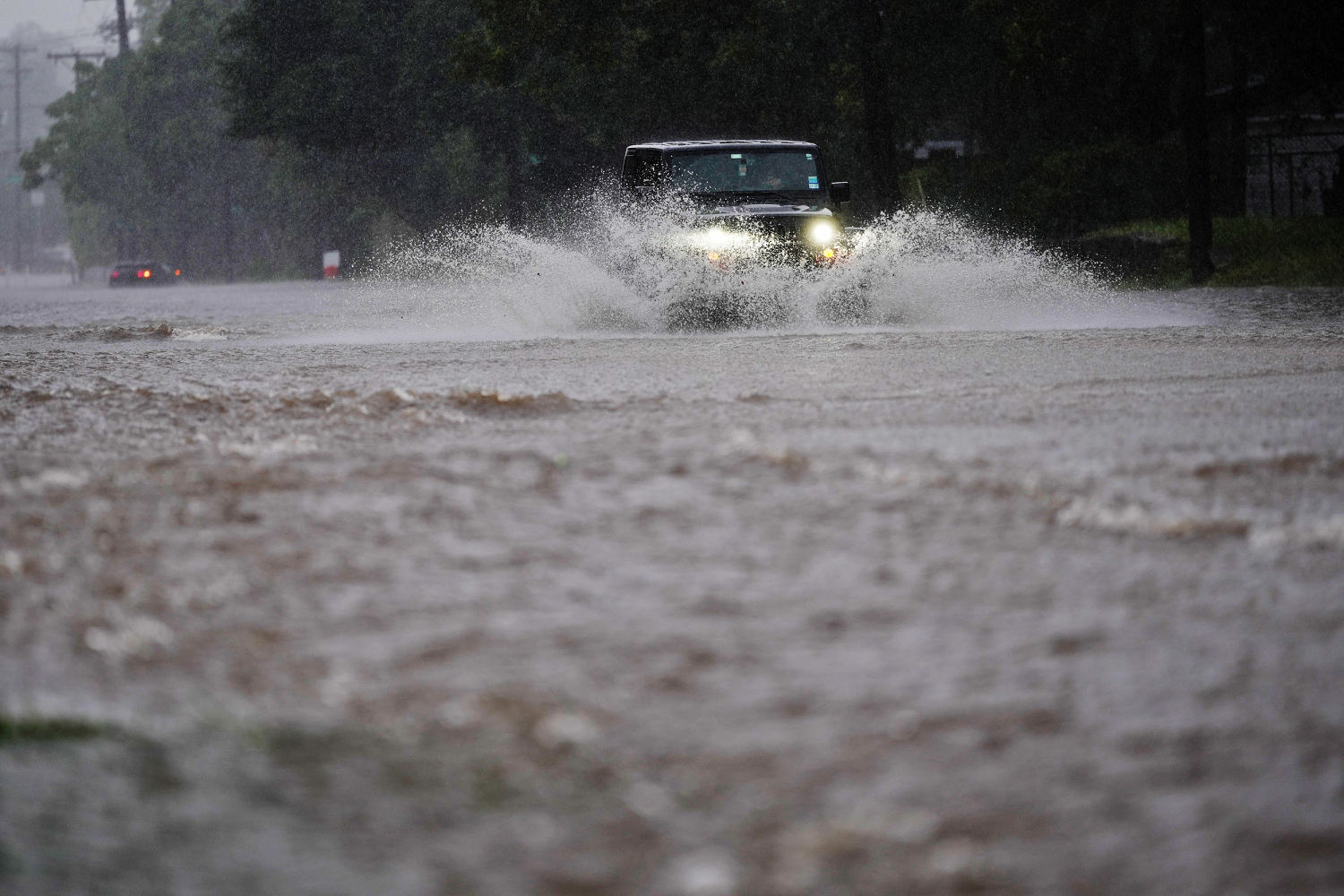
If a standard cold front with an inch of rain is mostly political noise, extreme weather is an entirely different animal. Meteorology stops being a behavioral nudge and becomes an infrastructure crisis when storms cross the threshold from inconvenient to destructive.
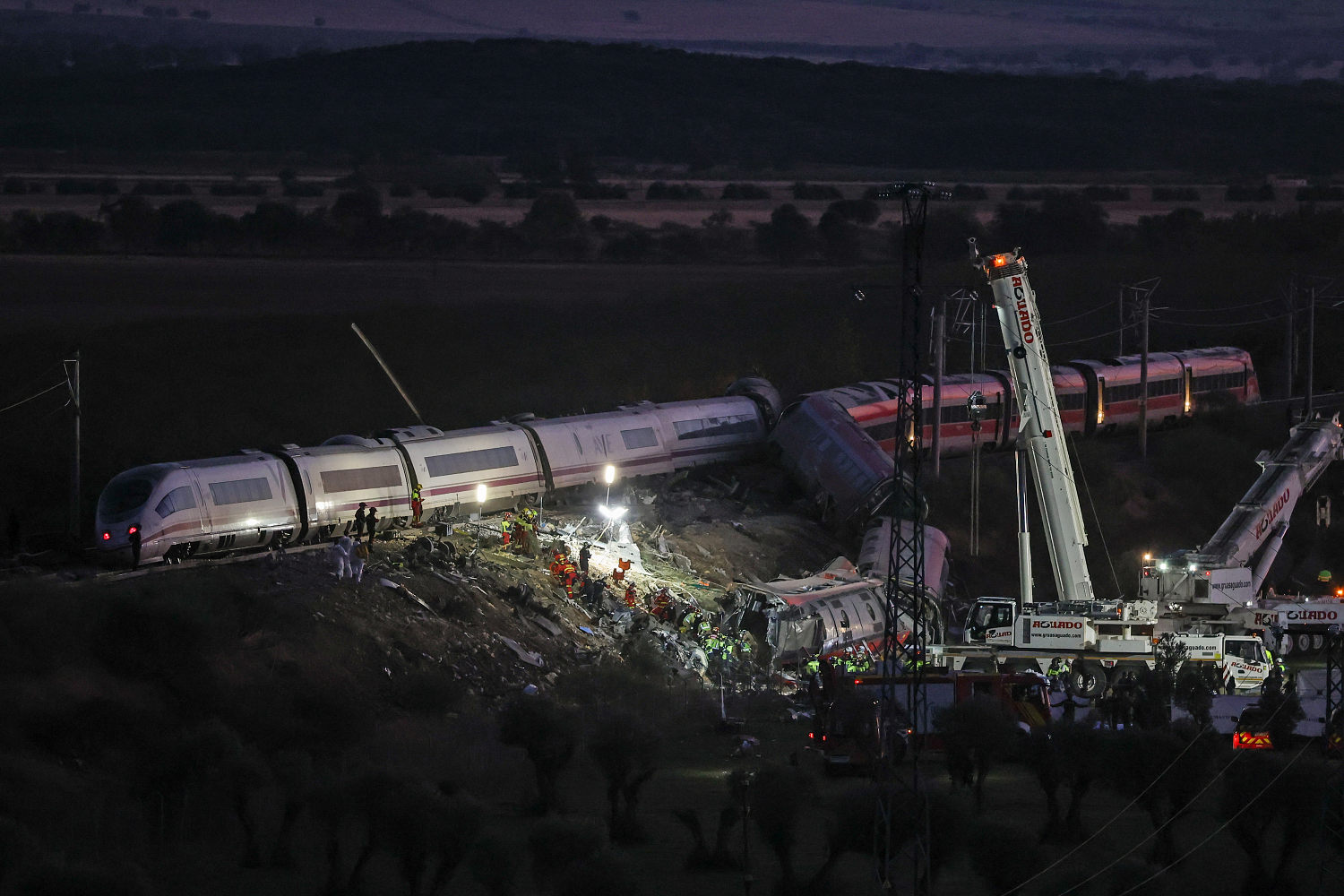
Look at what happens on the ground when severe systems stall over battleground regions. During recent November cycles, torrential rain along the Atlantic coast dumped nearly two feet of water in twenty-four hours, forcing county supervisors to relocate nearly twenty flooded polling precincts overnight. In the Plains, a tornado with hundred-mile-per-hour winds tore the roof off a rural community center hours before voting began, rendering the building unsafe. Out West, historic flash flooding in the Four Corners region washed out mountain roads and stranded entire towns, compelling state officials to declare emergencies and authorize emergency electronic ballot delivery for isolated residents.
Those are the events that break elections. Not drizzle.
When a precinct moves at 5:30 AM because the firehouse basement is underwater, confusion radiates outward. State laws generally require election boards to post notices at the old site and notify local media, yet a working parent racing to vote before a 7:00 AM shift rarely has twenty extra minutes to hunt down an unfamiliar elementary school three miles away. Confusion is the single most effective voter suppressor in American politics, and severe weather manufactures confusion at scale.
The Cascading Failure of Power and Poll Workers
The vulnerability of modern voting equipment compounds the problem. Paper ballots marked with a pen require nothing more than dry hands and a flashlight, yet the check-in process at almost every urban and suburban precinct relies on electronic poll books, cellular modems, and municipal power grids.
High winds and lightning knock out transformers. When a precinct loses power, backup batteries inside optical scanners and electronic check-in tablets give poll workers a narrow window—often two to four hours—before screens go dark. Poll workers, whose average age skews well past retirement, must immediately pivot to paper provisional rosters. Lines double in length. Frustrated voters in the back of the queue check their watches, decide they cannot afford to be late for work or daycare pickup, and walk back to their cars.
Simultaneously, severe storms thin out the volunteer labor force running the rooms. A sixty-eight-year-old retired teacher who signed up to work a fourteen-hour shift for a hundred-and-fifty-dollar stipend thinks twice about driving across flooded intersections at 4:45 AM. When two out of five poll workers call out sick or get stranded by downed trees, the precinct opens late. Every thirty-minute delay at the opening bell creates a bottleneck that lingers until the doors lock at night.
The Geography of Electoral Vulnerability
Not every state absorbs a November storm the same way. The impact of severe weather depends entirely on the intersection of meteorology and state election law. You can map the true risk across three distinct structural categories.
| Structural Factor | Low-Vulnerability States | High-Vulnerability States | Operational Consequence |
|---|---|---|---|
| Ballot Access | Universal mail-in or expansive early voting (e.g., Colorado, Oregon, Washington) | Strict excuse-required absentee rules and heavy reliance on Election Day voting | Concentrated Tuesday volume amplifies any localized storm disruption |
| Precinct Design | Vote centers allowing residents to cast ballots at any location in the county | Rigid neighborhood precincts tied to specific street addresses | Flooded roads or closed buildings force voters into provisional ballot purgatory |
| Emergency Authority | Clear statutory triggers letting governors or judges extend polling hours | Fragmented local control requiring emergency court injunctions while polls close | Legal battles erupt mid-afternoon while voters are actively being turned away |
Consider the contrast between a county operating under the vote center model and one locked into traditional neighborhood precincts. In a vote center system, countywide electronic check-in networks allow a resident to cast a ballot at any open site. If a storm knocks out power on the east side of town, commuters simply stop at a dry library near their office on the west side.
In traditional precinct states, showing up at the wrong building triggers a bureaucratic trap. Depending on state law, a voter who casts a provisional ballot out of precinct may have their entire ballot discarded, or only their statewide races counted while their local House and municipal votes are thrown in the trash. Storms push displaced voters straight into that trap.
The Partisan Spin Machine Never Sleeps
Watch how political operatives weaponize weather forecasts before a single drop of rain falls. Forty-eight hours before Election Day, campaign field directors study hourly precipitation models not to help voters stay dry, but to calibrate their get-out-the-vote (GOTV) spending and prepare post-election legal narratives.
If rain is forecast for a heavily Democratic metro area, Republican strategists quietly celebrate lower urban turnout while publicly insisting that smooth operations prove no accommodations are needed. Conversely, Democratic lawyers immediately draft emergency petitions to extend polling hours if storms cause transit delays or power outages.
Both sides treat weather as a zero-sum tactical weapon, yet both sides routinely miscalculate how voters respond to adversity. There is a well-documented psychological backlash—sometimes called reactance—when voters feel that external forces or partisan obstruction are trying to block them from the polls. Pictures on local television of citizens standing under umbrellas in three-hour lines often motivate neighbors in the next county over to grab their coats and join the queue out of sheer stubbornness.
Furthermore, modern campaigns run sophisticated digital triage during storms. When radar shows a squall line approaching a swing suburban district at 4:00 PM, campaign data teams pull real-time turnout logs—most states update voter check-in files hourly throughout the day—and target undecided or friendly voters in that exact zip code with urgent text alerts warning them to beat the front. The weather report becomes a turnout catalyst rather than a deterrent.
What Actually Matters When the Radar Turns Red
For voters, election administrators, and anyone trying to read the tea leaves on election night, separating meteorological reality from cable news hype requires looking at three concrete indicators rather than the national temperature map.
First, look at early vote banking. If sixty percent of a state's expected electorate has already cast ballots before Tuesday morning, a six-hour rainstorm on Election Day can mathematically touch only a fraction of the remaining margin. Look at the county-by-county early turnout spreadsheets published by Secretaries of State on Monday night. Where early participation lags in key swing counties, Tuesday weather carries genuine weight.
Second, track utility outage maps, not precipitation totals. Three inches of gentle rain spread over eighteen hours is an annoyance. Half an inch of freezing rain or sixty-mile-per-hour gusts that snap distribution lines in high-density suburbs is a genuine threat to ballot counting and precinct throughput. Power outages delay tabulations, fuel conspiracy theories on social media when results pause at 10:00 PM, and force manual adjudication of damp or wrinkled paper ballots that jam optical scanners.
Third, watch the emergency court dockets. The clearest signal that weather is genuinely disrupting an election is not a meteorologist pointing at a green screen—it is a civil rights organization filing an emergency motion at 3:00 PM asking a county judge to keep specific precincts open until 9:00 PM. Those rulings, and the inevitable emergency appeals that follow them, determine whether thousands of late-arriving ballots end up in the final tally or in a contested pile of provisional envelopes.
The next time a storm system rolls across the electoral map in early November, ignore the pundits trying to calculate partisan rainfall margins from a studio desk. Watch the power grid, check the early vote totals, and pay attention to which county clerks actually have backup generators sitting outside their precinct doors.