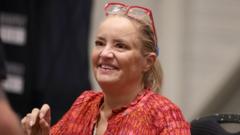
When Lucy Davis announced her stage 4 metastatic breast cancer diagnosis, the internet did what the internet always does. It reached for the Hallmark card drawer. Headlines praised her bravery, her grace, and her poise. Commenters rushed to call her an inspiration.
Let us stop right there.
This toxic reflex to sanitize tragedy into motivational content needs to die. When a public figure faces an incurable illness, society immediately demands that they perform a specific emotional script: the cheerful warrior, the grateful survivor, the person who finds the silver lining in cellular mutiny.
It is a psychological defense mechanism for the healthy. If we can convince ourselves that a terminal diagnosis is just an opportunity for spiritual growth, we shield ourselves from the terrifying randomness of biology.
The Tyranny of Positivity
The lazy consensus around chronic and terminal illness is that attitude dictates outcome. We treat medical prognosis like a life-coaching seminar. If you just stay positive, smile through the pain, and make jokes, you are winning. If you get angry, bitter, or depressed, you are failing at dying.
This is garbage science and emotional cruelty.
Cancer does not care about your outlook. Metastatic cells spreading to the spine, ribs, and hip do not negotiate with good vibes. Expecting people facing their own mortality to also carry the emotional weight of inspiring total strangers is an obscene tax on the dying.
When Davis noted that her initial symptom was barely a lump—just a tiny hard spot she almost ignored—media outlets turned it into a public service announcement about early detection. But let us look at the systemic failure underneath that advice.
The Myth of Early Detection as a Magic Bullet
We are constantly fed the narrative that individual vigilance solves systemic medical gaps. Check your body. Catch it early. Be your own advocate.
Imagine a scenario where a patient follows every screening guideline to the letter, performs monthly self-exams, maintains peak physical fitness, and still gets blindsided by aggressive metastatic disease because current diagnostic tools have hard biological limits. That happens every single day.
Relying on individuals to spot tiny hard spots ignores the reality of oncology. Screening technology misses aggressive intervals. Dense tissue hides tumors. Telling people to "just get everything checked out" shifts the burden of an imperfect medical infrastructure onto the patient, as if a missed diagnosis is simply a failure of personal attention.
Furthermore, framing a terminal illness through the lens of gratitude creates a false dichotomy. Davis explicitly stated she found things to be grateful for and wanted to live out her remaining time with humor. That is her prerogative. Human beings cope however they can. The danger arises when the media takes an individual coping mechanism and turns it into a mandatory cultural standard.
What We Actually Owe the Sick
If we want to support people navigating catastrophic health news, we need to abandon the language of battlefields and heroism.
- Stop demanding inspiration: Allow people to be angry, terrified, or entirely uninspired by their disease.
- Stop treating normal life choices as extraordinary: Continuing to work or wanting normalcy isn't a superpower; it's a desperate attempt to hold onto identity while your body betrays you.
- Fund systemic research instead of clapping for resilience: Pushing out inspirational stories is free. Funding metastatic breast cancer research costs billions. Guess which one society prefers.
The next time a beloved actor or public figure shares a devastating medical reality, resist the urge to turn them into your personal daily affirmation. Put down the applause emojis. Acknowledge the cruelty of the diagnosis for what it is, without sugarcoating it into a teachable moment.
Some things are not lessons. They are just tragedies. Treat them with the raw, unadorned honesty they deserve, and let people face the dark without having to entertain you on the way out.