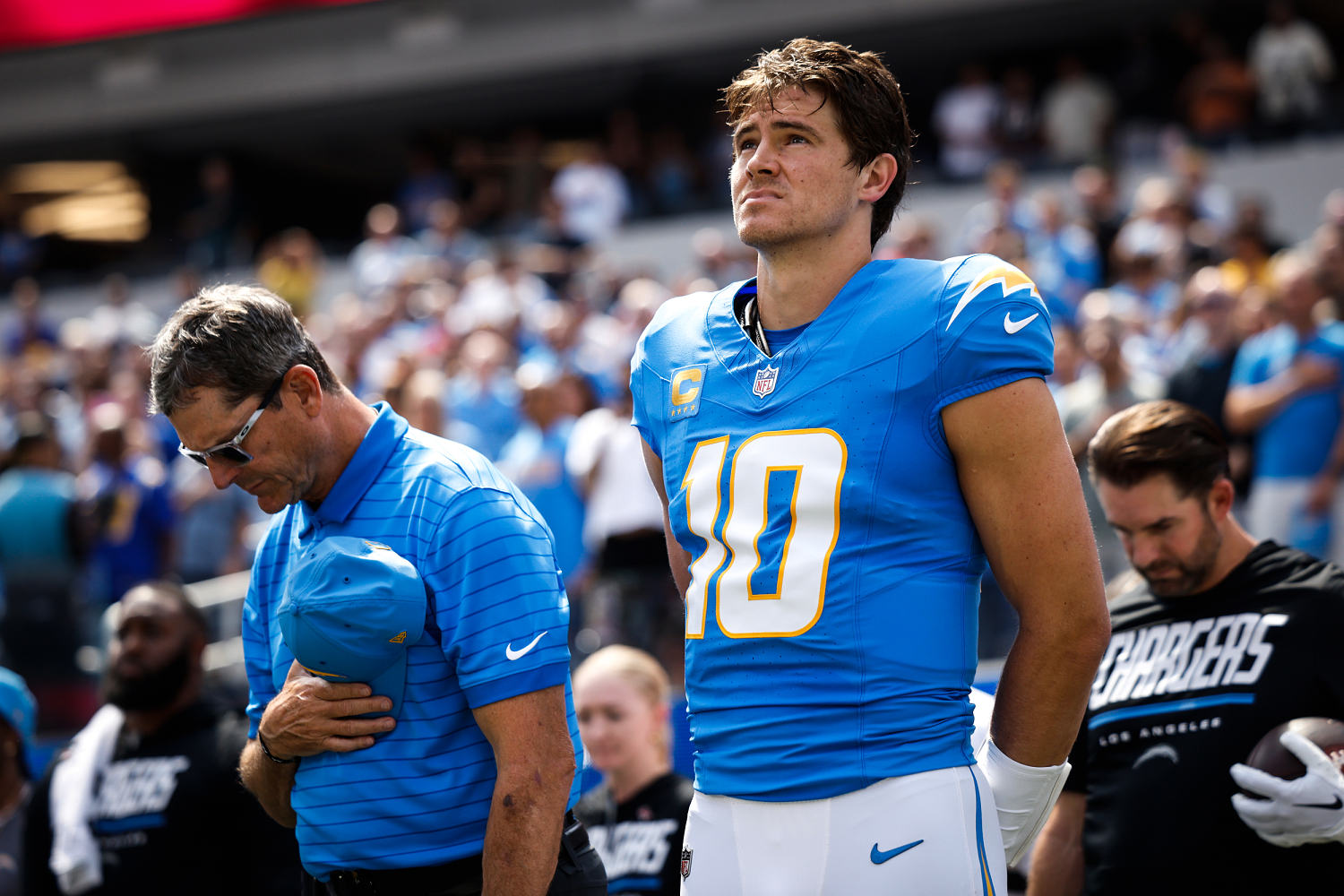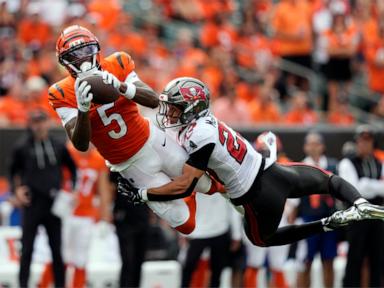
The coach stands at the podium. He wears that practiced, tight-lipped look of a man who just survived a car crash and wants to talk about the alignment of the rearview mirror.
We won. But we need to clean things up. There is plenty of room for improvement.
It is the oldest, laziest cliché in professional football. Zac Taylor drops it like a safety blanket. The local beat writers nod along, typing frantic little paragraphs about execution lapses, missed assignments, and the terrifying prospect of a sluggish offensive line. The national talking heads use it to hedge their bets, keeping an escape hatch open for when the Bengals inevitably drop a game to a mediocre opponent in October.
Stop buying it.
The obsession with early-season perfection is a disease that infects modern sports analysis. We look at a one-point or ten-point victory in September through a magnifying glass, treating every misfired slant route or blown blitz pickup as a symptom of a terminal illness. This is professional football in the modern era, not a synchronized swimming routine. Teams do not roll out of training camp in mid-November form. They roll out of training camp looking like a collection of expensive parts that haven't quite figured out how to share the road.
If you are a Cincinnati fan reading the post-game autopsy and sweating over the fact that the offense stalled in the red zone twice, you are playing the wrong game. You are letting aesthetics dictate your anxiety.
Let us dismantle the entire premise of the September panic industry.
The Preseason Fraud and the September Trap
For decades, the NFL preseason has been a hollowed-out shell of its former self. Star players sit on the bench in hoodies, nursing a hydration drink while holding a clipboard. Joint practices are dialed back to avoid bruised egos and soft-tissue tears. The league traded meaningful reps for injury prevention, and nobody with a brain blames them.
Yet, when Week 1 arrives, the same analysts who demanded that starters be wrapped in bubble wrap during August express utter shock and dismay when those same starters look rusty for the first two quarters.
It is staggering cognitive dissonance. You cannot strip away live-fire preparation, shorten the runway, and then throw a tantrum because a quarterback misjudges the speed of a safety rotation in real game conditions. Timing is not downloaded via software update; it is forged through friction.
When Zac Taylor tells the press that there is room for improvement, he is performing a necessary managerial duty. A head coach cannot walk into a locker room after a win and say, "We played great, let's take Tuesday off." Complacency kills rosters. But when fans and media outlets take that coach-speak and turn it into an existential crisis about the team's ceiling, they cross the line from observation into self-sabotage.
I have watched front offices panic over September shadows, making panicked trades or radical scheme shifts in week three because an offense looked disjointed against a complex defensive disguise. Good organizations do not overreact to variance. Bad ones do.
The Anatomy of a Sloppy Victory
Let us look at what actually happened on the field instead of what the perfectionists wanted to see.
In a league defined by parity, margins are razor-thin. Every team has elite athletes on defense who get paid millions of dollars to ruin your afternoon. When an offensive line misses a protection slide, it is rarely because they forgot how to block; it is because a defensive coordinator dialed up a pressure look that they had only repped twice on a walk-through Thursday.
The difference between a championship contender and a pretender is not the absence of mistakes in week one. It is how quickly those mistakes are corrected when the bullets are real, and whether the team possesses the situational resilience to win while their engine is sputtering.
Consider the alternative. You can have a team that looks pristine in September, running crisp scripted plays against an opponent that hasn't figured out its tendencies yet. You can rack up style points against a bottom-tier defense, look like world-beaters on Sunday morning highlight reels, and then get exposed the moment you face a physical front that punches you in the mouth.
I will take the ugly, disjointed, penalty-marred victory over the hollow September blowout every single day of the week. An ugly win builds scar tissue. A pretty blowout builds arrogance.
Deconstructing the Zac Taylor Narrative
The media loves to paint Zac Taylor through a specific, tired lens. The narrative goes that his teams are perennial slow starters, chronically unprepared for the opening bell, forced to dig themselves out of early-season holes because they lack the discipline of elite organizations.
It is a lazy narrative that falls apart the moment you look at the actual mechanics of how this roster is constructed and how modern NFL seasons unfold.
Cincinnati builds its engine for the stretch run. They invest in skill talent and quarterback play that scales up as the weather turns cold and the games get tight. Expecting a high-flying, precision-engineered offensive machine to hum at 100 percent capacity in the opening weekend of September ignores how the team operates.
Furthermore, the idea that a 1-0 start requires an apology tour is peak modern sports media neurosis. You play the game to put a tally in the win column. Every team in the league is dealing with the exact same calendar, the exact same practice restrictions, and the exact same biological limitations. If you win while playing your B-minus or C-plus game, you have just demonstrated the most valuable trait a franchise can possess: a floor high enough to survive your own imperfections.
The Real Questions You Should Be Asking
Instead of panicking over whether the offense looked out of sync or whether the play-calling lacked rhythm in the third quarter, let us look at the metrics that actually dictate long-term success.
Are the explosive plays there?
Are the key players staying healthy through the initial wave of physical contact?
Does the quarterback look comfortable operating under duress even when the pocket is collapsing?
If the answer to those questions is yes, then all the hand-wringing over execution errors is just noise generated by people who need content to fill a twenty-four-hour news cycle.
Football is a game of attrition and adaptation. The team that wins in January is rarely the team that looked the cleanest in September. It is the team that learned the fastest, absorbed the least amount of structural damage, and understood that a win on the ledger is worth a thousand aesthetic critiques from the press box.
So let the analysts hyperventilate over missed assignments and sluggish starts. Let the talk radio callers complain about tempo and play-calling philosophy.
The scoreboard does not award style points. It records survivors. And right now, the only thing that matters is that the tally reads one and zero.