The legacy press is having a predictable, synchronized meltdown over the proposed pedestrian bridge behind the Lincoln Memorial. Critics are screeching about historic preservation, vanity branding, and the alleged desecration of sacred architectural ground. They want you to believe this project is a reckless, unprecedented assault on Washington's design history.
They are entirely wrong.
The media is so blinded by partisan reflex that they completely miss the urban planning mechanics of the National Mall. The current setup behind the Lincoln Memorial is an objective failure of American civil engineering. Right now, one of the most visited monuments in the world abruptly terminates in a dangerous, exhaust-choked moat of asphalt. Fixing this structural error is not an aesthetic crime—it is decades overdue.
The Myth of the Untouchable National Mall
The core argument of the anti-promenade crowd relies on a lazy assumption: that the National Mall is a pristine, immutable masterpiece that must never be altered. This view ignores how urban spaces actually evolve.
The National Mall was never a single, static design handed down by the gods. It is a patchwork of shifting philosophies. The 1791 L’Enfant Plan looked completely different from the 1902 McMillan Commission plan. Henry Bacon, the architect of the Lincoln Memorial, originally intended for the structure to integrate seamlessly with the Potomac River.
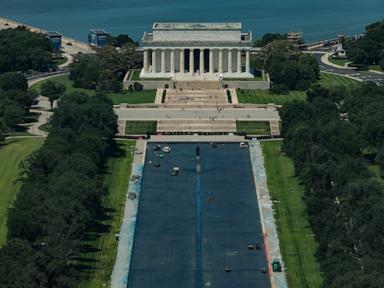
Instead, mid-century planners botched the execution. They slapped down the Rock Creek and Potomac Parkway and the Arlington Memorial Bridge approach roads directly behind Abraham Lincoln’s back. They built a multi-lane highway system that effectively severed the monument from the waterfront.
If you stand on the western steps of the Lincoln Memorial today, you do not see a majestic vista. You see the roofs of speeding sedans. You hear the roar of commuter traffic. You smell burning rubber. The proposed pedestrian walkway over these highways does not violate the original intent of the space; it corrects a historic mistake that marooned the monument on an island of concrete.
Fixing the Pedestrian Death Trap
Mainstream commentators write about the National Mall from the comfort of their air-conditioned offices. They do not spend time navigating it on foot. I have spent years studying urban pedestrian networks, and the western edge of the Mall is a logistical nightmare.
Millions of tourists walk up the steps, look at the statue of Lincoln, turn around, and hit a dead end. If they want to get to the actual Potomac waterfront, they have to navigate narrow, unprotected sidewalks alongside high-speed traffic.
Imagine a scenario where a master-planned tourist hub intentionally routes thousands of families with strollers along the shoulder of an active highway just to look at a river. You would call it a failure of basic municipal governance.
A dedicated pedestrian bridge creating a continuous flow from the Reflecting Pool, around the monument, and straight down to the water is basic, common-sense urbanism. It creates a continuous loop that relieves pedestrian congestion. Europe has built integrated pedestrian riverfronts for centuries. The fact that the American capital treats its premier waterfront as an afterthought for commuter traffic is the real embarrassment.
The Vanity Naming Distraction
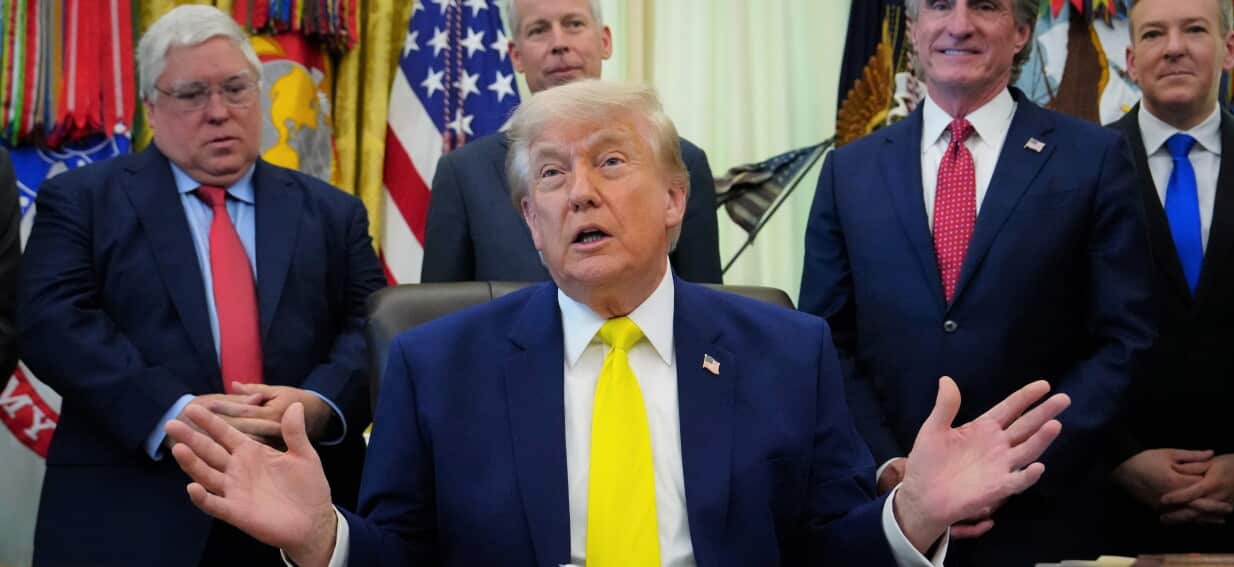
Let's address the inevitable controversy: the branding. The media is hyper-focused on the phrase "Trump Promenade."
This is a classic bait-and-switch. Opposing a necessary piece of civic infrastructure because you dislike the politician proposing it is a childish way to run a city. Landmark naming rights are a standard, transactional part of American development. The Kennedy Center, the Reagan Building, and Dulles Airport all bear the names of polarizing political figures.
If the bridge gets built and completely fixes the broken pedestrian flow of West Potomac Park, the name on the plaque is irrelevant to the daily experience of the people using it. Focus on the steel, the concrete, and the grade separation. The rest is just noise.
The Cost Counter-Argument
The most legitimate pushback involves the budget. Early reports indicate that related Mall projects, like the Reflecting Pool resurfacing, have seen contract numbers jump significantly past initial public estimates. Government infrastructure projects are notoriously inefficient, and this promenade will likely face similar bureaucratic bloat.
But halting progress because federal procurement is broken is a defeatist strategy. If we applied that logic universally, we would never repair a single bridge or open a new subway line in this country. The structural separation of pedestrians from highway traffic on the National Mall is a permanent asset. The political administration behind it is temporary.
Stop treating the National Mall like a museum exhibit that cannot be touched. It is a living, breathing civic space that needs to function for the people who visit it. Overcoming the mid-century highway blunder behind the Lincoln Memorial is a necessary step forward for the city's design. Build the bridge.