Every time a trade summit rolls around, international headlines fill with the same tired fantasy. Commentators hyperventilate over a grand coalition of emerging economies overthrowing the greenback, issuing a unified digital tender, and rewriting global finance over a weekend. It makes for comforting reading if you despise Western hegemony. It also displays a profound ignorance of basic monetary mechanics.
The lazy consensus is that India and its BRICS partners are marching lockstep toward a shared financial architecture, fueled by digital public infrastructure and a mutual desire to de-dollarize.
The reality is far more fractured, deeply competitive, and stubbornly realistic.
I have watched financial technocrats spend decades chasing the chimera of frictionless cross-border currency blocks, only to watch real-world trade friction reassert itself the moment an exchange rate moves two percent against a sovereign interest. Let us dismantle the romantic fiction and look at why the current chatter about India's digital currency play within BRICS misses the actual battlefield.
The Myth Of Block Solidarity
To understand why a unified BRICS payment system or a single currency alternative is a non-starter, you have to look at the structural asymmetry of the bloc itself.
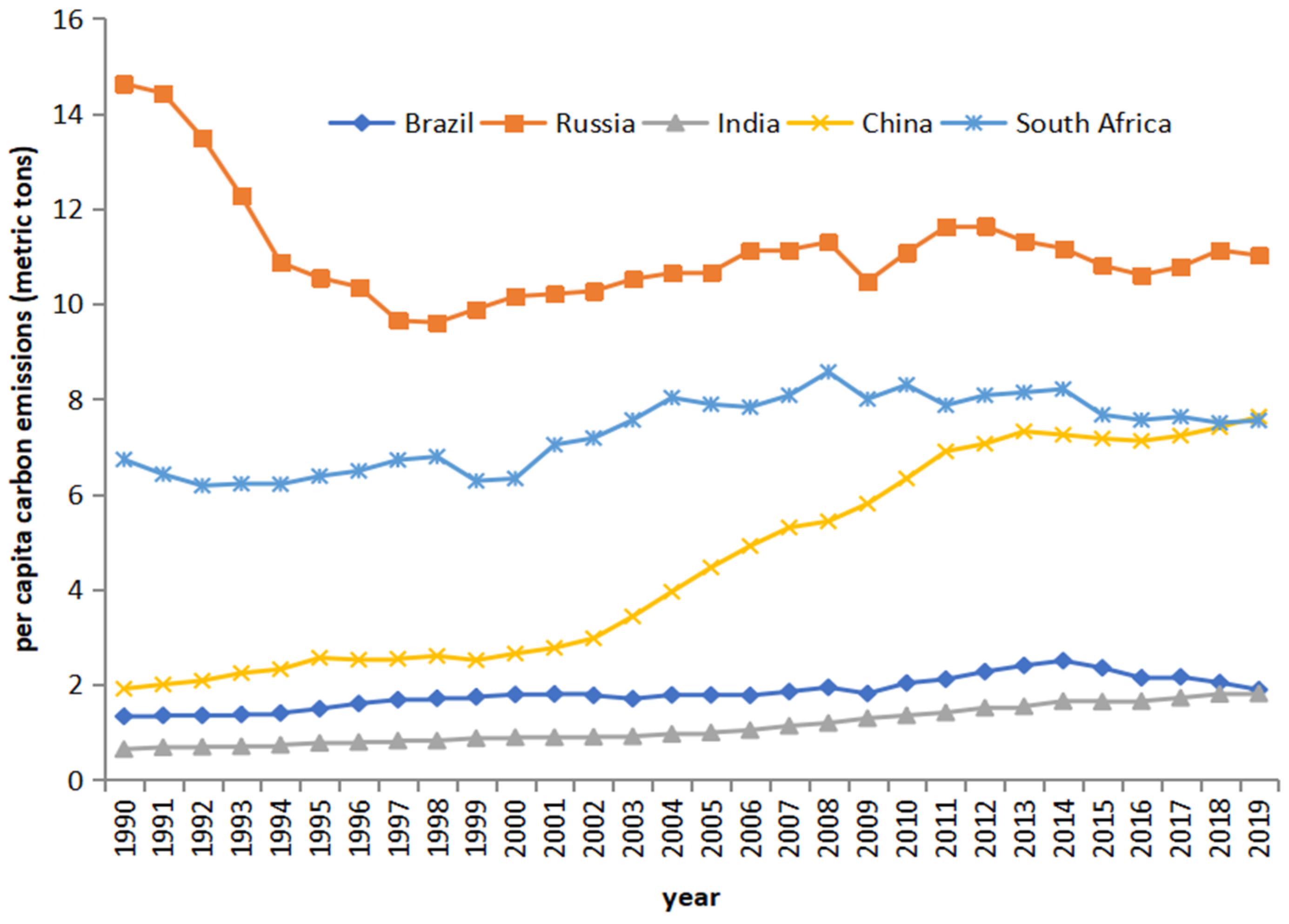
China runs a massive, structural manufacturing surplus with capital controls tighter than a drum, managing its currency to protect its export-driven industrial base. India runs chronic current account deficits, manages a floating rupee with distinct central bank interventions, and fiercely guards its domestic monetary autonomy. Brazil and South Africa dance to the rhythm of commodity cycles and foreign capital flows. Russia, tangled in deep sanctions, needs immediate barter and bilateral workarounds just to keep energy moving.
Imagine a scenario where these disparate economies try to agree on a common inflation target, an interest rate path, or a deficit ceiling. It is impossible. Monetary policy is national sovereignty made manifest. No emerging market powerhouse is going to outsource its economic stability to a committee in a foreign capital.
When Indian officials pitch local-currency trade settlements and the linkage of central bank digital currencies (CBDCs), they are not signing up for a crusade to murder the US dollar. They are engaging in pragmatic risk management. They want lower transaction costs for bilateral trade with oil exporters and regional partners, avoiding the double-conversion penalty of routing rupees through dollars.
That is not a revolution. That is accounting efficiency.
The Digital Public Infrastructure Fallacy
Another favorite talking point of the techno-optimists is that India’s Unified Payments Interface (UPI) can simply be plugged into other emerging nations to instantly create a seamless, cross-border retail and wholesale payment grid.
Let us define terms clearly. UPI is a domestic instant-payment rail optimized for a single sovereign jurisdiction with a unified KYC framework, a single central bank, and standardized domestic banking APIs. Scaling that across borders means colliding with a brick wall of anti-money laundering laws, disparate cybersecurity mandates, and sovereign paranoia about foreign data flows.
No sovereign state is going to let foreign instant-settlement rails operate without maintaining a heavy-handed circuit breaker. India itself has deep, legitimate reservations about foreign stablecoins and decentralized payment networks fracturing its internal financial stability. If New Delhi is cautious about private digital assets at home, why would it surrender wholesale settlement infrastructure to an unproven multilateral conglomerate abroad?
Bilateral rupee-settlement mechanisms with countries like the UAE or Russia have repeatedly hit a structural ceiling: trade imbalance. If India buys billions in discounted oil from Russia, but Russia cannot easily find enough Indian goods or approved assets to buy with those accumulated rupees, the system stalls. Rubles and rupees pile up in stagnant accounts. You cannot build a durable global trade architecture on a mountain of unspent bilateral surpluses. Currency utility requires liquidity, depth, and deep capital markets—attributes that take generations to build, not a communique from a summit.
The Real Game: Incremental Hedging, Not Replacement
The contrarian truth is that the dollar is not being overthrown; it is being eroded at the margins by a thousand pragmatic cuts.
India's strategy within BRICS is an exercise in optionality. By pushing for local-currency invoicing, exploring CBDC interoperability for tourism and trade, and linking messaging standards, India is creating a spare tire. It ensures that if Western financial sanctions or sudden liquidity crunches ever weaponize the traditional plumbing of SWIFT and dollar-clearing houses against New Delhi, Indian trade does not grind to a halt.
This is defensive architecture, not an aggressive bid for global reserve currency status. The Indian rupee is not about to become the invoice currency of choice for Latin American soybean farmers or European manufacturers. Nor should anyone want it to; internationalizing a currency means running persistent trade deficits to supply the world with liquidity—a luxury that a developing, capital-hungry growth engine like India can ill afford.
The smart money is ignoring the geopolitical theater of a mythical "BRICS currency" and watching the unglamorous plumbing of bilateral swap lines, domestic digital currency pilots, and direct bank-to-bank messaging links.
Stop looking for a dramatic Hollywood overthrow of the global financial order. Watch the quiet, grinding construction of regional escape hatches instead.