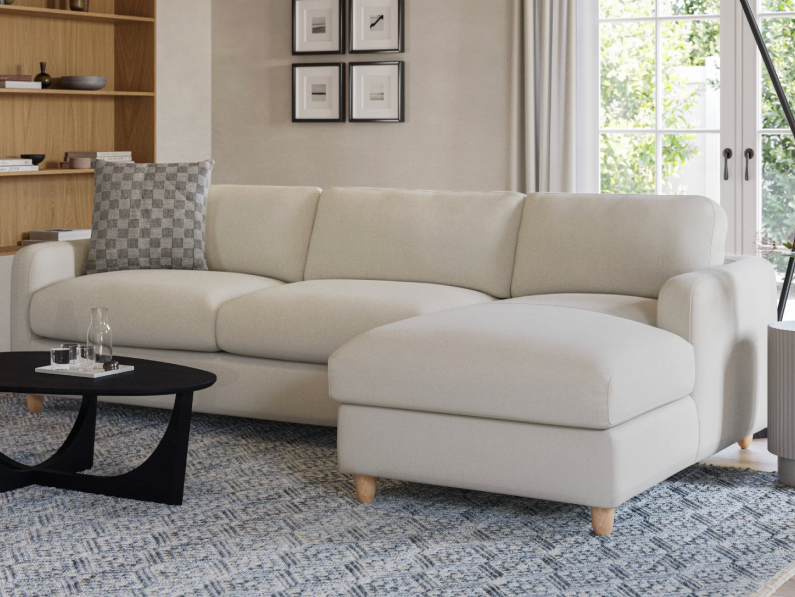
The Grand Illusion of the Two-in-One
Furniture brands want you to believe that a sleeper sofa is the ultimate space-saving hack. They publish glossy roundups praising "the best sleeper sofas for every type of sleeper," promising that a single piece of furniture can serve as an elegant living room centerpiece by day and a cloud-like sanctuary by night.
It is a lie.
A sleeper sofa is a masterclass in compromised engineering. By trying to execute two radically different functions, it fails spectacularly at both. You are paying double the price for a couch that feels like sitting on a bag of cement and a bed that feels like sleeping on a cage of rusted springs.
I have spent over a decade analyzing furniture construction and interior design supply chains. I have seen homeowners spend thousands on high-end convertible sofas, only to watch their overnight guests check into a hotel by 2:00 AM because a metal support bar was slowly dislocating their lumbar spine.
If you want your guests to respect you, and you want your living room to actually feel comfortable, it is time to dismantle the sleeper sofa myth once and for all.
The Mechanical Disaster Inside Your Living Room
To understand why sleeper sofas fail, you have to look at the physics of furniture design.
A standard, high-quality sofa relies on deep spring suspensions—either eight-way hand-tied springs or heavy-gauge sinuous coils—paired with high-resiliency foam cushions. This allows the seat to absorb your body weight and distribute it evenly across a deep frame.
When you stuff a folding metal mattress mechanism inside that frame, three destructive things happen:
- The Cushion Void: The frame loses all its depth. To make room for the folded bed, manufacturers are forced to use ultra-thin seat cushions placed directly on top of a hard metal deck. The result is a stiff, unforgiving sit that deteriorates within two years.
- The Trampoline Effect: The pull-out mechanism relies on canvas or wire mesh stretched across a steel border. Over time, this mesh sags toward the center. When two people sleep on it, they inevitably roll into the middle, trapped in a uncomfortable nylon valley.
- The Transverse Bar Nightmare: Almost every traditional fold-out mechanism places a thick steel crossbar right under the lower back or hips. No amount of memory foam topper can hide a steel tube pushing against your spine under 150 pounds of pressure.
The Reality Check: You cannot cheat physics. When you hollow out a sofa frame to fit a metal fold-out engine, you destroy the structural integrity of the sofa and guarantee a terrible night of sleep.
Dismantling the "Best Sleeper Sofa" Myths
Design blogs love to categorize convertible couches to make them sound tailored and sophisticated. Let's look at the popular categories and why their premises are fundamentally flawed.
Myth 1: "The Memory Foam Pull-Out is Just Like a Real Bed"
It isn't. Memory foam requires a solid, breathable foundation to regulate temperature and provide spinal support. When placed over a folded steel frame with zero airflow, high-density memory foam traps body heat, turns into an oven by midnight, and sags directly through the underlying wire mesh.
Myth 2: "Futons and Click-Clacks are Great for Minimalists"
A click-clack sofa uses the exact same foam density for the backrest as it does for the seat. The problem? Human buttocks and human backs require entirely different support profiles. Furthermore, the central seam running down the middle of a flattened futon creates a hard ridge that forces you to sleep on one narrow edge all night.
Myth 3: "Sectional Sleepers Give You the Best of Both Worlds"
These are the most expensive traps on the market. Manufacturers charge premium prices for L-shaped sectionals with a pull-out trundle. Because the trundle piece uses a completely different suspension system and foam density than the static chaise lounge, the sleeping surface is uneven. One partner sleeps on firm foam; the other sleeps on a squishy, unanchored pull-out cushion.
What to Do Instead: The Unconventional Alternatives That Actually Work
If you need to host guests in a compact space, stop looking at convertible couches. Here is how to handle overnight visitors without sacrificing your daily living room comfort or destroying your guests' backs.
| Option | Daily Comfort | Guest Sleep Quality | Cost Efficiency | Space Requirement |
|---|---|---|---|---|
| Traditional Sleeper Sofa | Terrible | Poor | Low (Overpriced) | Moderate |
| Premium Air Mattress + Custom Frame | Excellent (Real Sofa) | High | High | Minimal (Stored Away) |
| Daybed with Pop-Up Trundle | Moderate | Excellent (Real Mattresses) | Moderate | Dedicated Nook |
| Deep-Seat Modular Sofa (No Mechanism) | High | Moderate-High | High | Standard Living Room |
Option A: The "Deep-Seat" Stealth Sleeper
Instead of buying a couch with a hidden metal bed inside, buy an extra-deep, high-end standard sofa. Look for a seat depth of at least 24 to 26 inches (measured from the front of the cushion to the back pillows) and a total length of 85+ inches.
When guests stay over, simply remove the back cushions. You are left with a single, continuous, ultra-comfortable surface that matches the width of a twin mattress. No bars, no seams, no folding mechanisms. You get a far superior daily couch and a perfectly flat, supportive sleeping surface for one person.
Option B: The High-Density Inflatable Strategy
The primary objection to air mattresses is that they feel cheap. But modern TPU (thermoplastic polyurethane) air mattresses with internal coil-beam structures—paired with a solid topper—outperform almost every sleeper sofa on the market.
Buy a world-class standard sofa for your living room. When guests arrive, inflate a commercial-grade TPU mattress in an office or cleared living space. You get 100% of your daily couch comfort, and your guests get a flat, adjustable sleeping surface that deflates and tucks into a closet when they leave.
Option C: Twin Daybeds with Real Mattresses
If you have a dedicated guest room or a large office, abandon the concept of a sofa entirely. Install a daybed frame that accommodates standard twin mattresses. You get real mattress support, real pocket coils, and proper ventilation. Style it with heavy bolsters and throw pillows during the day to mimic a deep couch silhouette.
The Economics of a Bad Purchase
Let's look at the numbers.
A high-end sleeper sofa from a reputable mid-century modern or contemporary retailer costs anywhere from $2,500 to $4,500. Within three years, the constant weight applied to the hollowed-out frame causes the seat cushions to collapse, and the folding mechanism begins to squeak and stick.
Imagine an alternative scenario: You invest $2,000 into a top-tier, bench-made stationary sofa built with kiln-dried hardwood and high-resiliency foam. You spend $300 on a premium inflatable system or a plush roll-away guest setup.
You spend less money up front. Your daily living experience improves tenfold. Your sofa lasts fifteen years instead of three.
The Brutal Truth About Guest Accommodation
We fall into the sleeper sofa trap because of guilt. We feel obligated to offer visiting family and friends a "real bed," even if we only host people three weekends a year.
So we punish ourselves for the other 359 days of the year by sitting on a rock-hard, structurally compromised piece of furniture.
Stop designing your primary living space for hypothetical guests. Prioritize your daily comfort. Buy a sofa that is built solely to be a great sofa. When guests arrive, give them a deep, cushion-removed seating area or a modern, high-support inflatable mattress that keeps their spine off the floor.
Your living room will look better. Your back will thank you. And your guests won't end up spending three hundred dollars on a last-minute hotel room.